
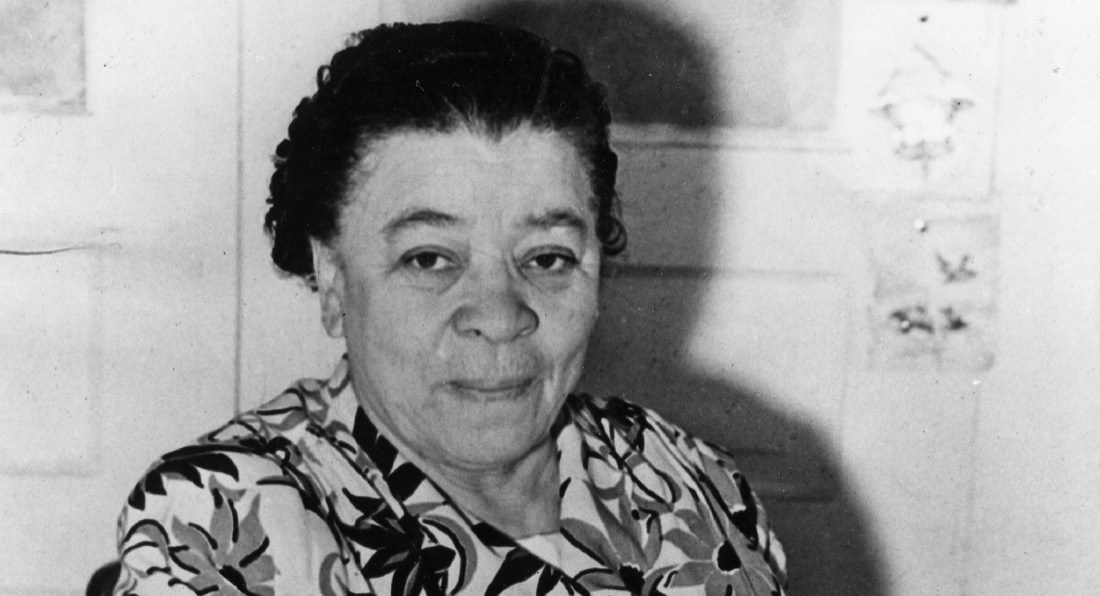
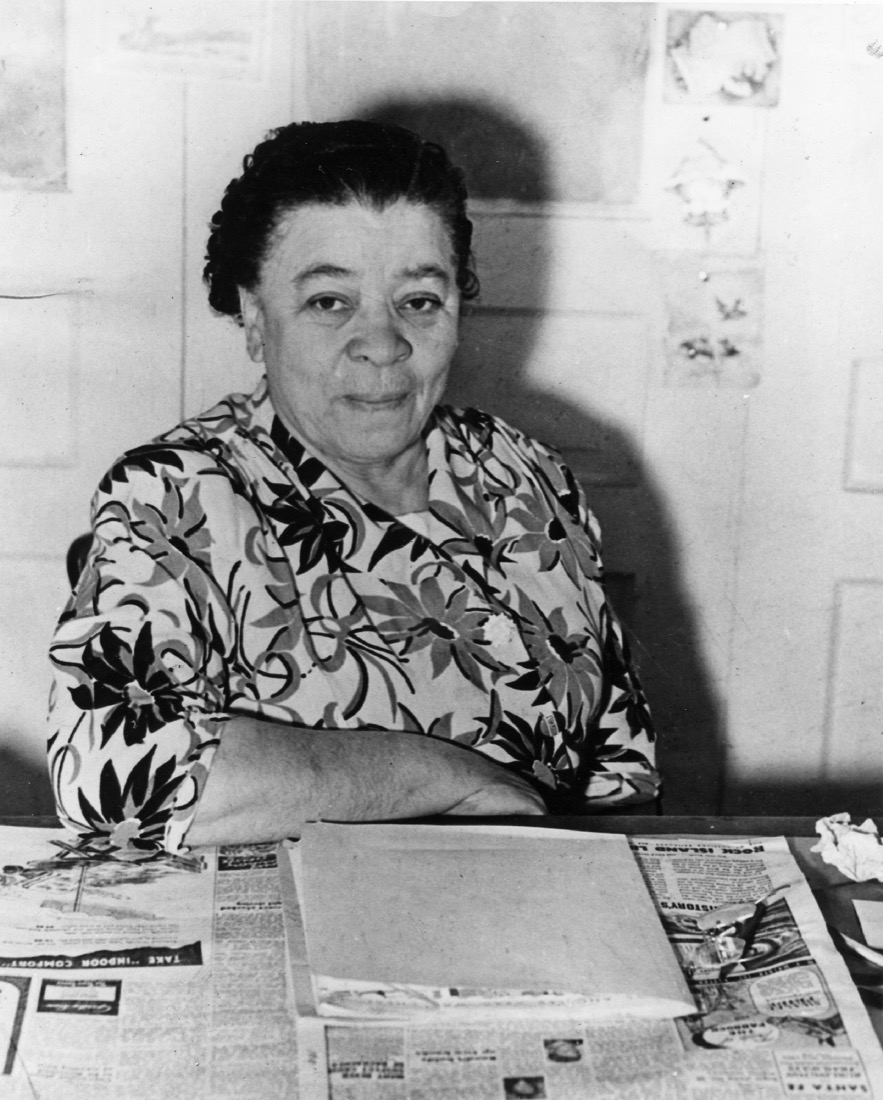
 In this 1952 photo, Charlotta Spears Bass, publisher of The California Eagle, a Black newspaper, sits in her Los Angeles office. The groundbreaking journalist and civil rights activist who ran in 1952 on the Progressive Party ticket is the subject of a new PBS/WNET “American Masters” short. (Courtesy of Los Angeles Public Library via AP)
RIO RANCHO, N.M. (AP) – Kamala Harris made history last week by becoming the first Black woman to be nominated to run for vice president on a major party’s ticket. But the first Black woman to run for vice president in the nation’s history was trailblazing newspaperwoman Charlotta Spears Bass.
The groundbreaking journalist and civil rights activist who ran in 1952 on the Progressive Party ticket is the subject of a new PBS/WNET “American Masters” short. The 12-minute film is the final installment of a series focusing on 26 American women from 1890 to 1920, like Mexican American journalist Jovita Idar and Tye Leung Schulze, the first Chinese American woman to vote in the U.S.
Born in 1888 in Little Compton, Rhode Island (others have said she was born in Sumter, South Carolina), Bass rose to become publisher and owner of The California Eagle in 1912 following the death of the newspaper’s founder, John James Neimore. The Eagle served as Southern California’s Black newspaper and it pushed for civil rights while covering the community of Black migrants from Texas.
With her husband, Joseph Bass, as editor, the paper took on police brutality, the Klu Klux Klan, and D.W. Griffith’s racist film, “Birth of A Nation.”
Filmmakers Charlotte Mangin and Sandra Rattley said they wanted to introduce Bass to a new generation since many people do not know her story.