
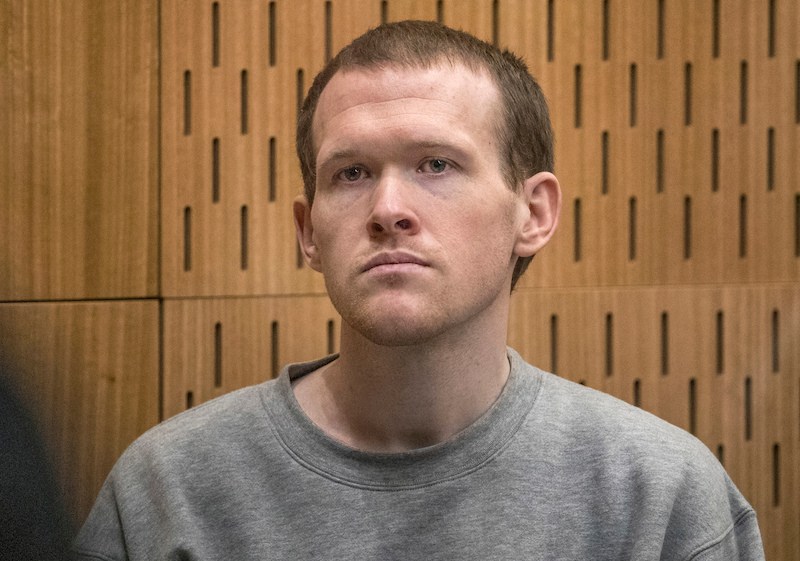
CHRISTCHURCH, New Zealand (AP) – The white supremacist who slaughtered 51 worshippers at two New Zealand mosques was sentenced Thursday to life in prison without the possibility of parole, the first time the maximum available sentence has been imposed.
Judge Cameron Mander said the crimes committed by 29-year-old Australian Brenton Harrison Tarrant were so wicked that a lifetime in jail could not begin to atone for them. He said they had caused enormous loss and hurt and stemmed from a warped and malignant ideology.
“Your actions were inhuman,” Mander said. “You deliberately killed a 3-year-old infant by shooting him in the head as he clung to the leg of his father.”
After the sentence was announced, survivors of the shootings raised hands and fists in celebration and greeted supporters waving signs with painted hearts and carrying roses outside the court building.
The March 2019 attacks targeting people praying at the Al Noor and Linwood mosques in Christchurch shocked New Zealand and prompted new laws banning the deadliest types of semi-automatic weapons. They also prompted global changes to social media protocols after the gunman livestreamed his attack on Facebook.