
Saturday, November 14, 2026Nov 14

Coronavirus pandemic tests shopper loyalty for clothing brands

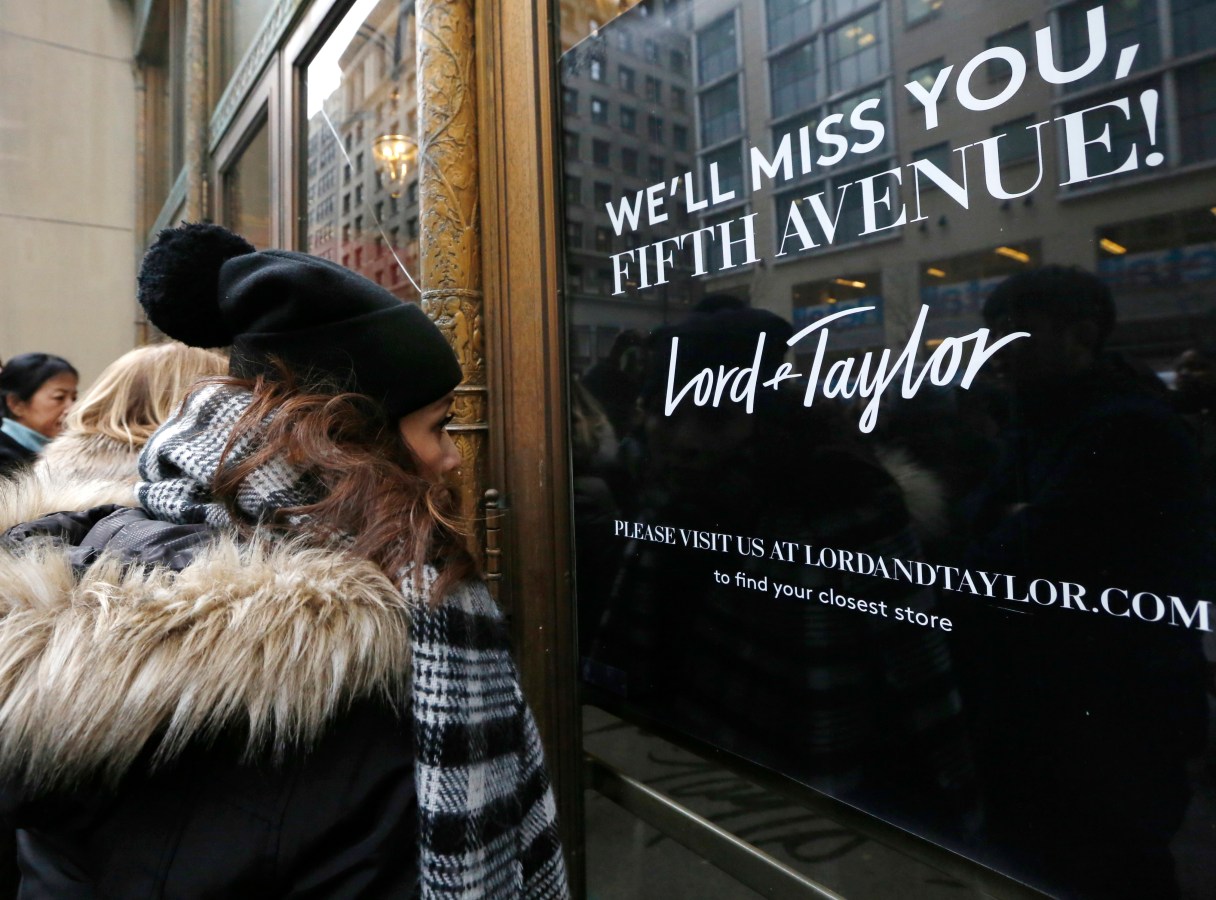
FILE - In this Jan. 2, 2019 file photo, women peer in the front door of Lord & Taylor's flagship Fifth Avenue store which closed for good, in New York. A slew of once-beloved brands from Lord & Taylor to Ann Taylor have filed for Chapter 11 since the pandemic. Many shoppers will see these iconic labels vanish or become mere shadows of themselves as they drastically shrink their businesses or get acquired. But while loyal customers bemoan their loss, the brands themselves have been clearly losing favor for year. (AP Photo/Kathy Willens, File)

When Archie Jafree heard that Lord & Taylor filed for Chapter 11 bankruptcy in early August, he was sad about the fate of the storied retailer with roots dating back to 1824.

Still, the 36-year-old northern Virginia resident acknowledged he hadn’t shopped there in months, preferring instead to go to Nordstrom and Zara, where he feels the customer service is better.

“It had good quality clothes,” Jafree said of Lord & Taylor, “but they hadn’t evolved with the times.”

Many shoppers like Jafree are seeing iconic labels vanish or become mere shadows of themselves, driven in part by a pandemic that has shoved them into bankruptcy but also by changing consumer habits that put less emphasis on brand names and more emphasis on experience.

So far, more than 40 retailers have filed for Chapter 11 this year, including roughly two dozen since the pandemic. That’s more than double what was seen for all of 2019.