
College athletes come and go, cycling through their programs and campuses in about four years. Organization has been difficult to attain. Motivating people to band together and fight for reforms when they might not be around to reap the benefits is challenging.
This summer there have been signs that is changing.
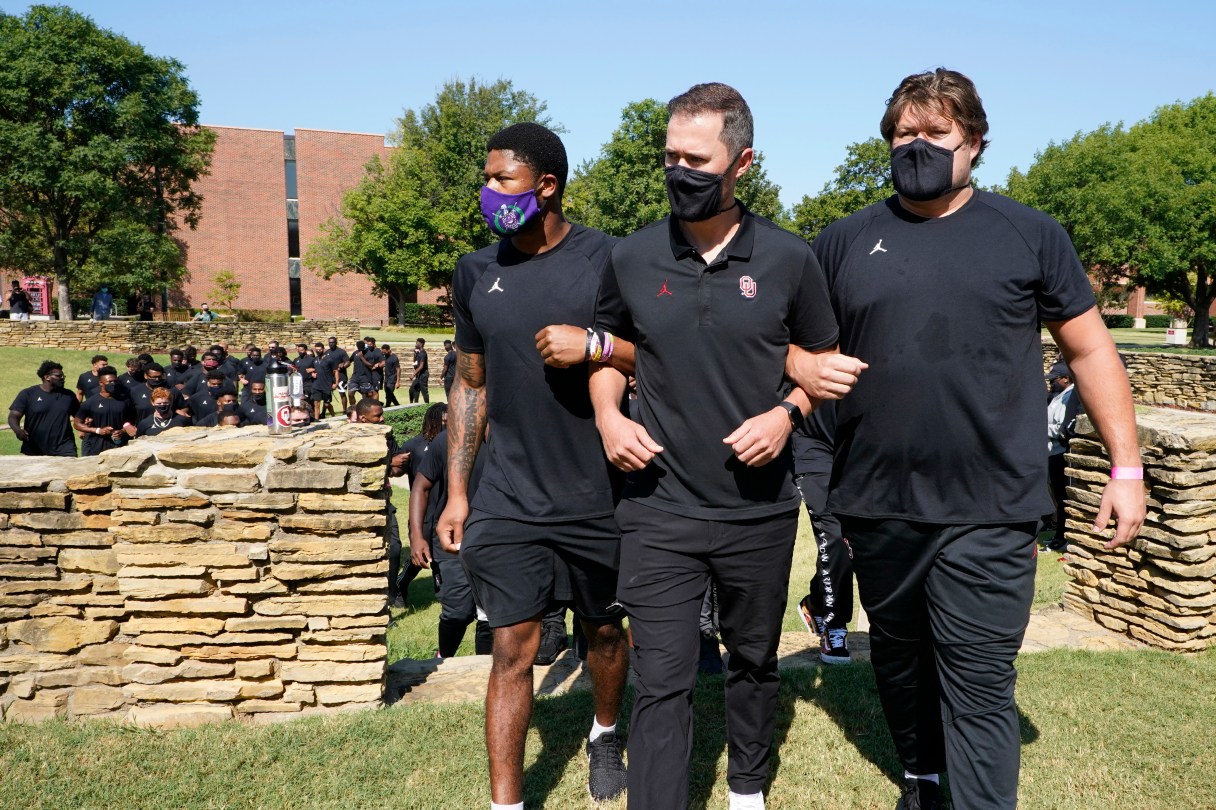
College athletes have called out coaches and administrators, backed causes both social (Black Lives Matter) and political (changing the Mississippi state flag) and demanded to be part of the discussion about whether sports can be played safely during a pandemic. They have organized campus marches, threatened boycotts and trended on social media without stepping foot on a field.
If this moment spawns a sustained movement, it will be because college athletes have learned to harness their collective power and laid a foundation for their successors.
“We all know that this isn’t a movement for the present,” said Jaydon Grant, an Oregon State defensive back and a leader of the Pac-12 We Are United group. “As far as establishing something that lasts, I know that we’ll all be gone in a few years, all removed from college football, but I don’t look at it any differently than how you build the culture of a program.