
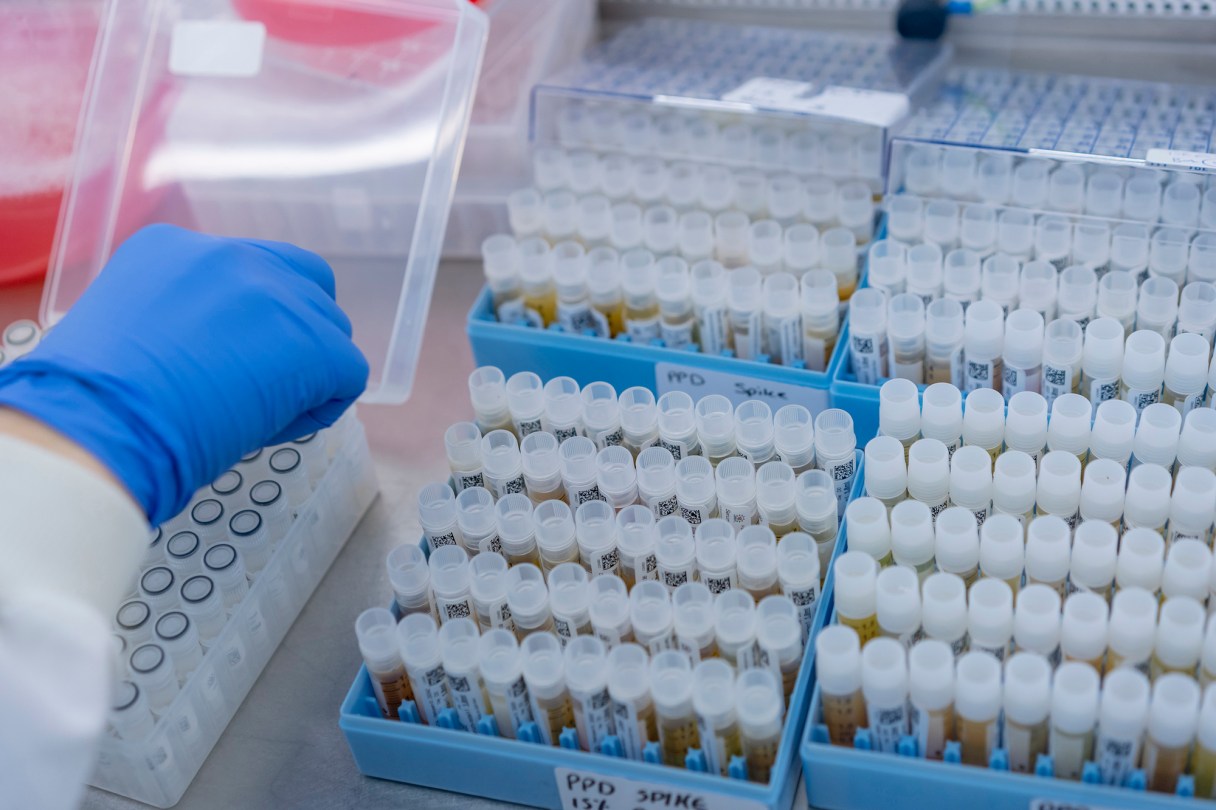
In three separate announcements in recent weeks, three scientific teams at different pharmaceutical companies have given a weary, frightened world what it needs: a verifiable path to defeat the coronavirus pandemic, end the suffering and start the process of returning life to the normal rhythms of “before.”
Imagine again going to work and school, to restaurants and concerts without significant risk of infection. Imagine hugging family members and friends. We are likely to get there in 2021 because a safe, effective COVID-19 vaccine appears on pace for emergency regulatory approval and fast rollout. This gift of science will be ready – if we accept it.
Wait, if we accept it?
The big question about a COVID-19 vaccine has shifted from efficacy to whether enough Americans will agree to receive it. Skepticism of inoculations is frustratingly widespread, despite overwhelming scientific evidence that they work. Shots are unpleasant and sometimes come with side effects. The anti-vaxxer movement has attacked vaccines for mistakenly believing they may cause autism. In the Black community, suspicions run deep because of the legacy of past abuses by the medical system.
A Pew Research Center survey in September of about 10,000 adults found that just 21% of U.S. adults would definitely get a COVID-19 vaccine, and 24% said they definitely would not. The rest were somewhere in the middle, leaning for or against. This is troubling news. If the vaccine becomes an optional response to the pandemic, the virus will continue to spread and cause harm to families and the economy. The country can’t get back to work fully until the outbreak is contained, and the vaccine is the way to get there.