
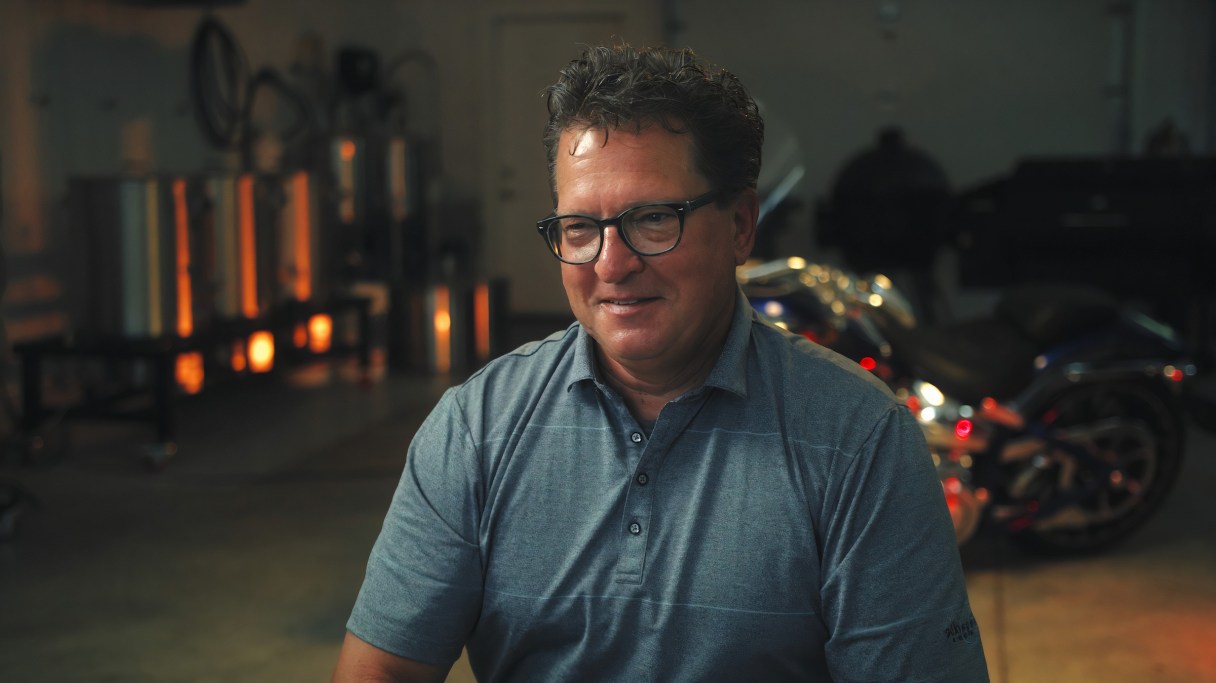
Tom Norquist is serious about play. The senior vice president of Innovation and Business Development for Chattanooga-based PlayCore/GameTime, Norquist has spent decades developing his own understanding of the benefits of play, and advancing practices and knowledge across the industry. As a founding board member of the International Play Equipment Manufacturer’s Association in 1995, and a longtime representative of the American Society for Testing and Materials, Norquist has been involved in all aspects of the play industry. He has led the board of the National Institute for Play, and is project co-leader of the first known online database of scientific and academic research about the benefits of play. He has twice received Auburn University’s School of Industrial and Graphic Design Distinguished Service Award for teaching design studios, and his home in Fort Payne, Alabama, features an elaborate 3-acre playground where many GameTime prototypes find a permanent home.
This interview has been edited for length and clarity.
You study the benefits of play – physical, emotional, intellectual. How has this challenging time emphasized the need for those benefits?
We know that stress is very very harmful to the human species, and COVID has added a whole new level of stress to every human on this planet. What happens is when we get stressed – and you may have felt this before, I know I have – we produce cortisol, and when we’re producing that, it tends to make us very negative, very inwardly focused, low sense of esteem, and the answer to that is play is absolutely a vaccine to stress. I’m being very serious. There are four chemicals we naturally produce in play. Endorphins, which give you that physical high in your brain during strenuous play; dopamine, which is that accomplishment high, feeling good about yourself; serotonin, the respect high, sort of like accomplishment but at a higher level from mastering a complex challenge; and oxytocin, which is what I call the friendship and love high. Those four chemicals that occur naturally when we’re in a playful state shut off the production of cortisol. People need play more than ever. I’m a big believer that if we can find our inner playful self and find some commonality with each other, we’re going to be a much healthier society. We have hit bottom in terms of the stress level, this has been very difficult for everyone, and I hope we’re able to hit that reset button and put play back into our lives and take a little more time for ourselves and our families and our communities and be more playful – which will lead to us being more productive.
How has the business of play evolved in your career?