
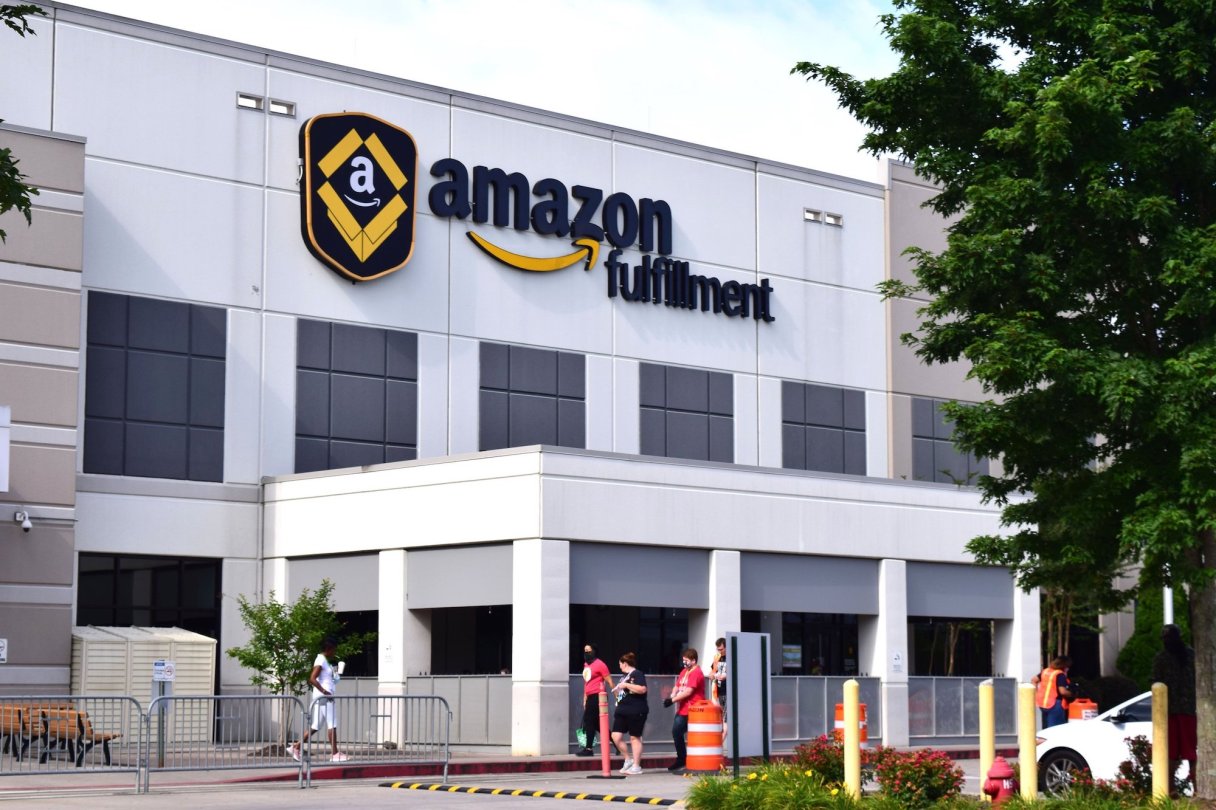
A labor agency in Washington state has announced that it will increase workers’ compensation rates for Amazon fulfillment centers, deeming them more hazardous than other types of warehouses.
The state Department of Labor and Industries has boosted the premium rates by 15% starting Jan. 1, potentially costing the company millions more a year, The Seattle Times reported.
Previously, Amazon fulfillment centers were grouped with other kinds of warehouses when calculating premium rates, which are in part based on the number of injuries within industry-specific risk classes. Amazon’s new rates will be higher than those of 260 other industries – including mechanized logging and law enforcement.
Some grocery distributors and recycling facilities argued that higher injury rates at Amazon’s 24 centers across the state were driving up premiums for all warehouses, which increased 18% this year. Workers’ comp claims filed by employees at Amazon’s warehouses increased nearly threefold between 2014 and 2018, according to the agency’s data, while claims from other warehouses have been falling for years.
“Bottom line, fulfillment centers are very different from a warehouse,” said Tammie Hetrick, the president of the Washington Food Industry Association, a group representing grocery distributors. “When Amazon had a poor performance, it affected everyone within the risk class.”