
The way the United States will formally choose its president on Monday stands in stark contrast to how most of the world’s democracies select leaders.
In other democratic countries, heads of government are either directly elected by voters or by a parliamentary system in which the party winning the most seats in the national assembly selects the head of state.
Some processes are complex and intricate, others more straightforward. Here is a look at how some of those countries choose their leaders – and how complications can arise.
SOUTH AFRICA
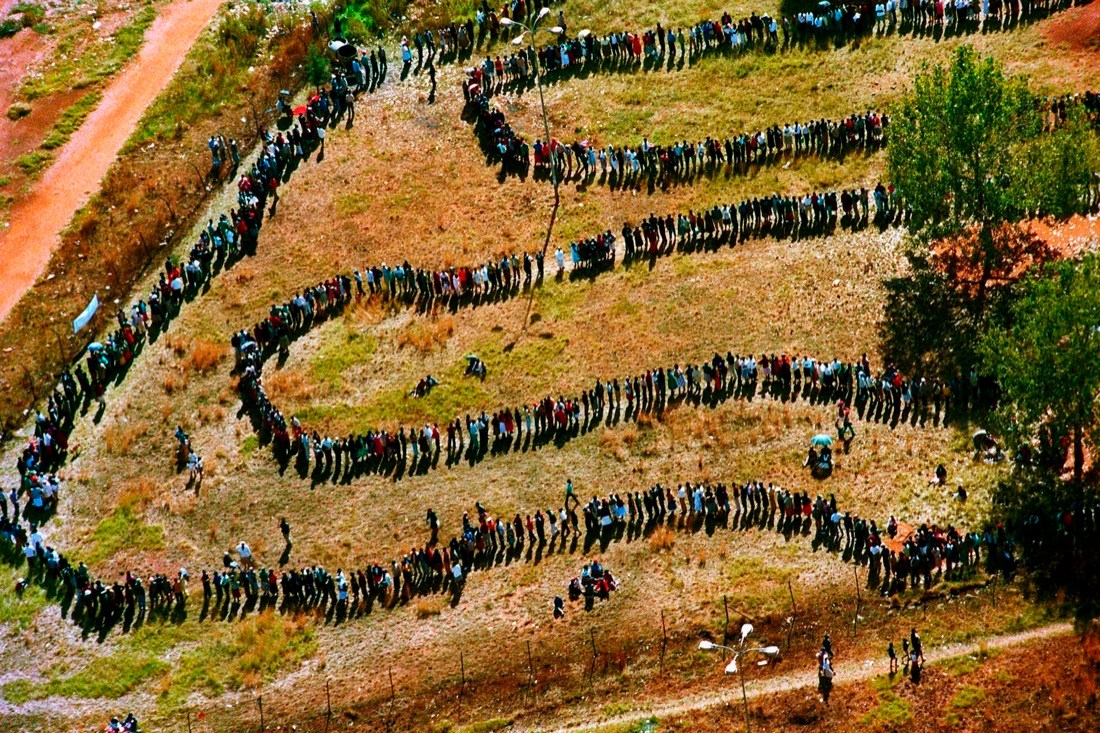
In South Africa, which held its first all-race elections in 1994, citizens vote for political parties rather than for candidates. The president is then chosen in a vote by the National Assembly. The party that won the majority of seats would be able to elect its own leader as president. The African National Congress, the liberation movement turned political party, has dominated politics since Nelson Mandela became president in 1994. In 2019, however, the ANC obtained its weakest victory, winning only 57% of the vote.