
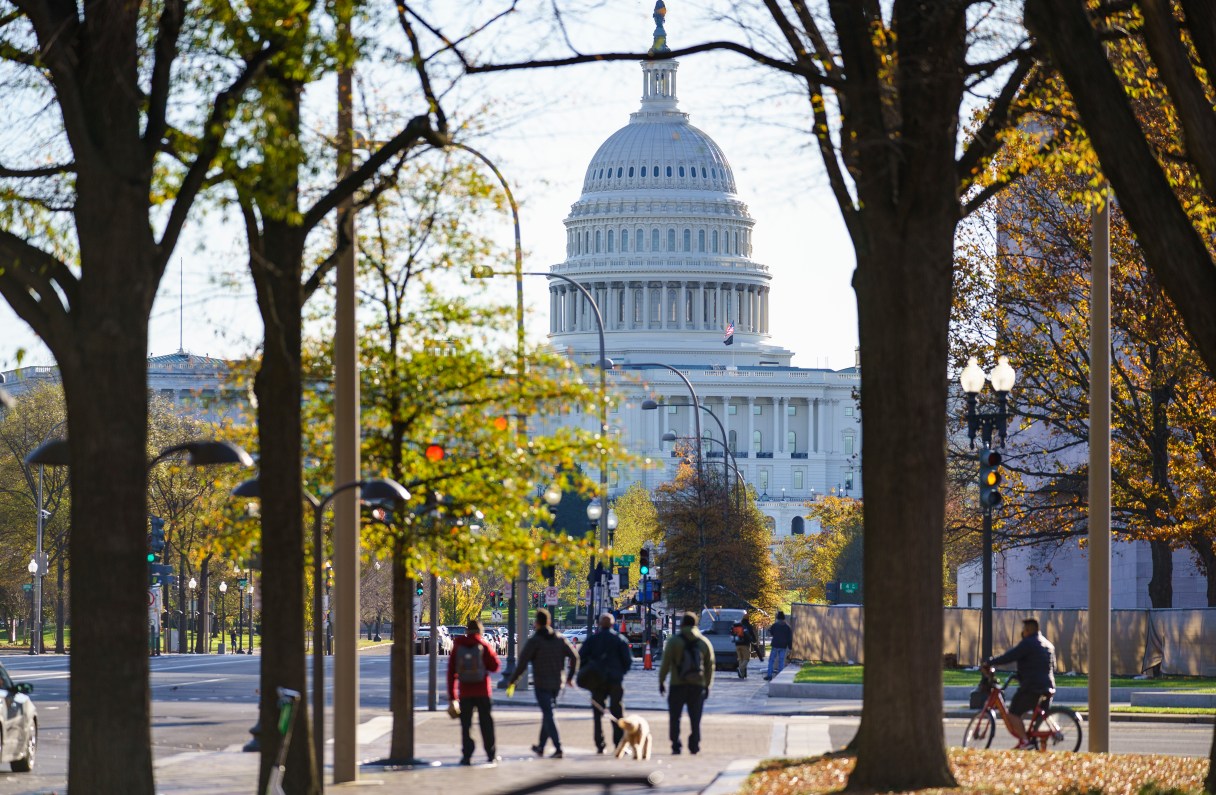
WASHINGTON (AP) – A bipartisan group of lawmakers unveiled a detailed COVID-19 aid proposal on Monday in hopes it would serve as a model for its battling leaders to follow as they try to negotiate a final agreement on a new round of virus relief.
The dozen or so lawmakers unveiled two bills. One is a $748 billion aid package containing money for struggling businesses, the unemployed, schools, and for vaccine distribution. The other bill proposes a $160 billion aid package for state and local governments that’s favored by Democrats and GOP-sought provisions shielding businesses from COVID-related lawsuits. But agreement proved impossible and most Democrats opposed a compromise on the liability issue forged by GOP Sen. Rob Portman of Ohio.
The path forward for their proposals – and for COVID-19 aid more generally – remains unclear. Parallel negotiations over virus relief and government funding are proceeding on the leadership level involving House Speaker Nancy Pelosi, D-Calif., and Treasury Secretary Steven Mnuchin. Senate Majority Leader Mitch McConnell, R-Ky., and that’s where any agreement is likely to be forged.
Outstanding issues in the leadership talks include a potential second round of direct payments to individuals, a plan for $300 bonus unemployment benefits, state and local aid, and the GOP-sought liability shield against COVID-19-related lawsuits.
Sen. Susan Collins, R-Maine, said she hoped that top Capitol Hill leaders and the administration will use the proposals as the basis for a COVID-relief package “that is urgently needed by our struggling families, our hard-hit small businesses, our stressed-out health care providers, our overwhelmed Postal Service, our challenged schools, and so many others.”