
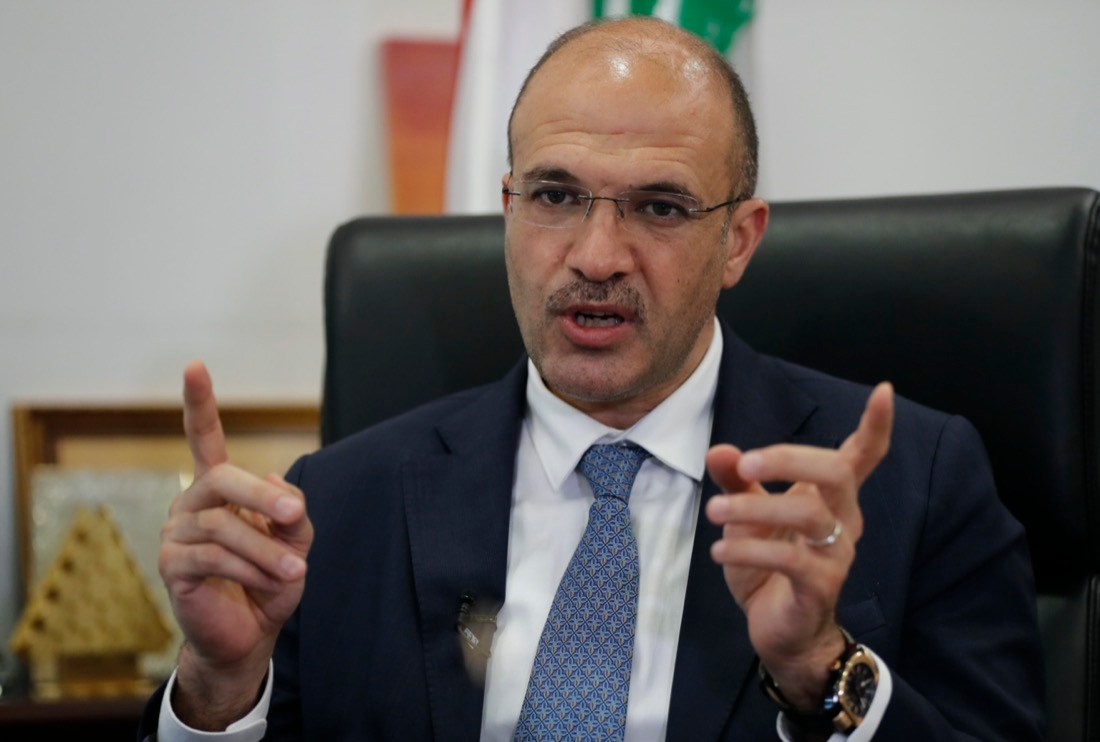
BEIRUT (AP) – Lebanon’s health minister said Monday his country has reserved nearly 2 million doses of the Pfizer-BioNTech vaccine to fight the coronavirus, an amount that covers up to 20% of Lebanese.
Hamad Hassan said in a news conference his government has been negotiating with the company to acquire the vaccines and that they are expected to be in Lebanon by February. The deal was expected to be signed Monday.
Lebanon is reeling from a historic economic crisis that has left the highly indebted government short on cash and foreign currency. Foreign donors and supporters have refrained from bankrolling the government deficit demanding major reforms, which have failed to materialize because of political jockeying among the country’s multiple power centers and sectarian groups.
Assem Araji, the lawmaker who heads the parliamentary health committee, said the deal being negotiated is for $18 a dose, a price that takes into consideration Lebanon’s economic troubles. The $27 million deal would secure 1.5 million vaccines while the country negotiates to receive closer to 2 million.
Araji told The Associated Press the government is to pay a $4 million deposit at signing, expected Monday. It hopes to cover the rest with a World Bank loan that has been diverted to cover expenses related to the pandemic.