
NEW YORK (AP) – The Trump administration can withhold millions of dollars in law enforcement grants to force states to cooperate with U.S. immigration enforcement, a federal appeals court in New York ruled Wednesday in a decision that conflicted with three other federal appeals courts.
The ruling by the 2nd U.S. Circuit Court of Appeals in Manhattan overturned a lower court’s decision ordering the administration to release funding to New York City and seven states – New York, Connecticut, New Jersey, Washington, Massachusetts, Virginia and Rhode Island.
The states and city sued the U.S. government after the Justice Department announced in 2017 that it would withhold grant money from cities and states until they gave federal immigration authorities access to jails and provide advance notice when someone in the country illegally is about to be released.
Before the change, cities and states seeking grant money were required only to show they were not preventing local law enforcement from communicating with federal authorities about the immigration status of people who were detained.
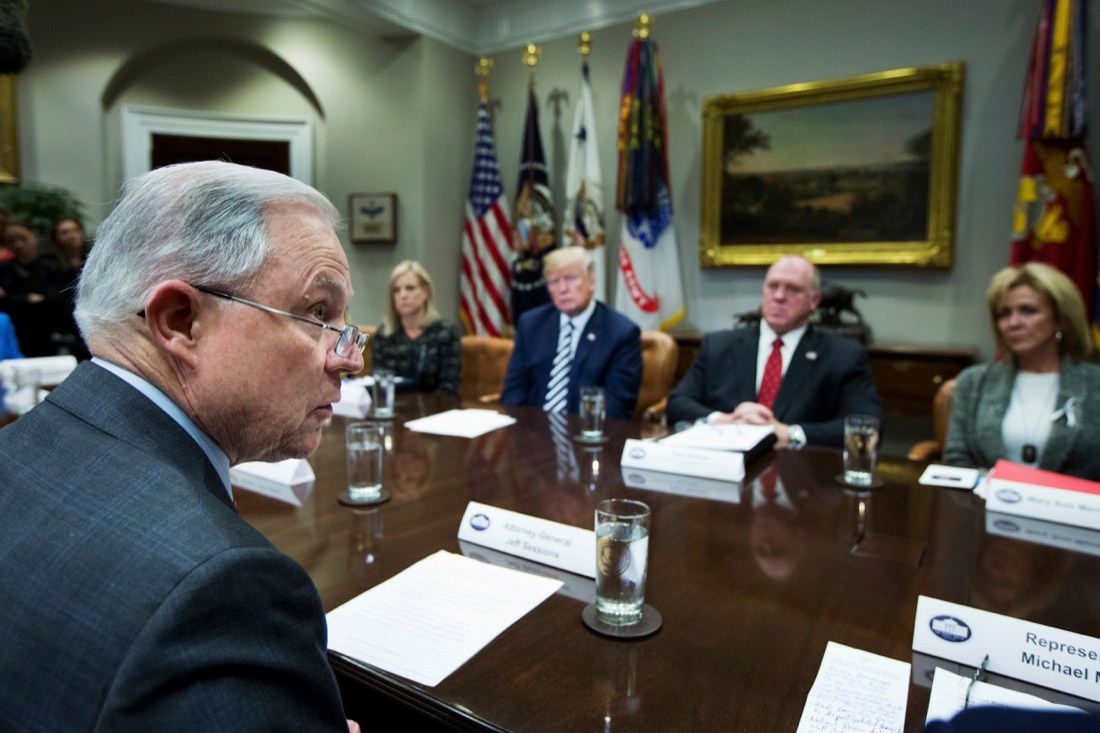
At the time, then-Attorney General Jeff Sessions said: “So-called ‘sanctuary’ policies make all of us less safe because they intentionally undermine our laws and protect illegal aliens who have committed crimes.”