
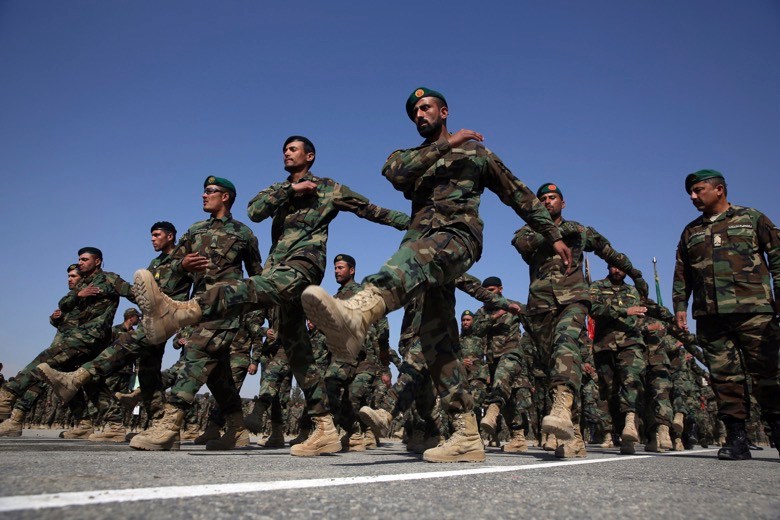
KABUL, Afghanistan (AP) – Many Afghans view Saturday’s expected signing of a U.S.-Taliban peace deal with a heavy dose of well-earned skepticism. They’ve spent decades living in a country at war – some their whole lives – and wonder if they can ever reach a state of peace.
The deal is meant to set the stage for a U.S. troop withdrawal and to usher in talks among Afghans on both sides of the conflict about their country’s future. There’s been bitter squabbling among political leaders, concern of a temporary truce being undermined, and the challenge of uniting a fractured country remains daunting.
Arash, an Afghan policeman in the capital of Kabul, was 7 years old when a U.S.-led military coalition ousted the Taliban government in 2001. The U.S. was retaliating for the Taliban harboring Osama Bin Laden while he masterminded the Sept. 11 terror attacks.
“We’ve had no escape from war,” said Arash, who only gave his first name because he had not received permission from his superiors to speak to reporters.
He said he and his colleagues want peace, but that political leaders “are only thirsty for power, not for peace.” He said the Taliban are fellow Afghans and that “we should have peace with them.”