
The global benchmark for crude oil rose above $70 a barrel on Monday for the first time in over three months, with jitters rising over the escalating military tensions between Iran and the United States.
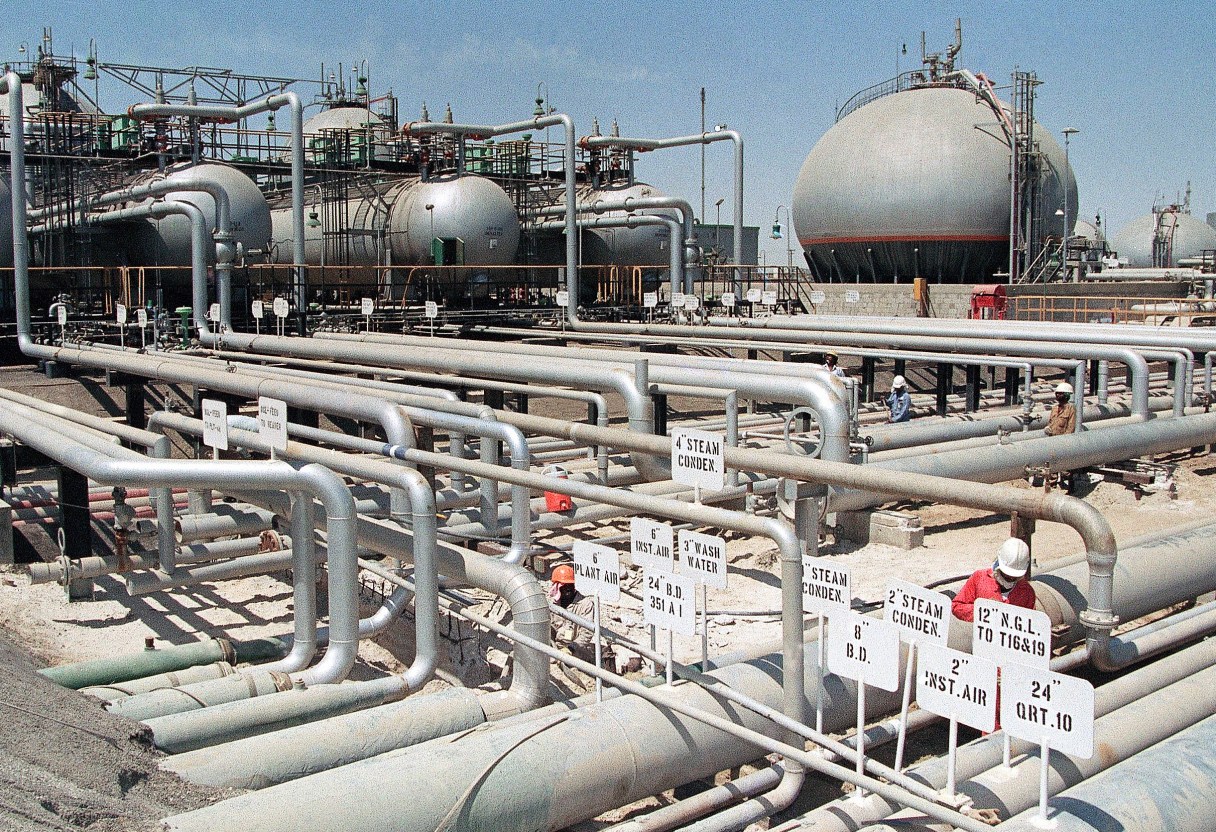
The Brent contract for oil touched a high of $70.74 a barrel, the highest since mid-September, when it briefly spiked over an attack on Saudi crude processing facilities.
“The market is concerned about the potential for retaliation, and specifically on energy and oil infrastructure in the region,” said Antoine Halff, a Columbia University researcher and former chief oil analyst for the International Energy Agency. “If Iran chose to incapacitate a major facility in the region, it has the technical capacity to do so.”
Still, many analysts say they see little cause for concern about damage to the U.S. economy resulting from the jump in oil prices. Some note that higher energy prices can actually benefit the overall economy because the United States is now a net exporter of petroleum products. And the Federal Reserve’s commitment to low interest rates means the Fed is unlikely to raise rates anytime soon to counter any inflationary effects from higher oil prices.
But economists caution that an escalation in the Trump administration’s confrontation with Iran could pose new risks to the economy in the long run.