
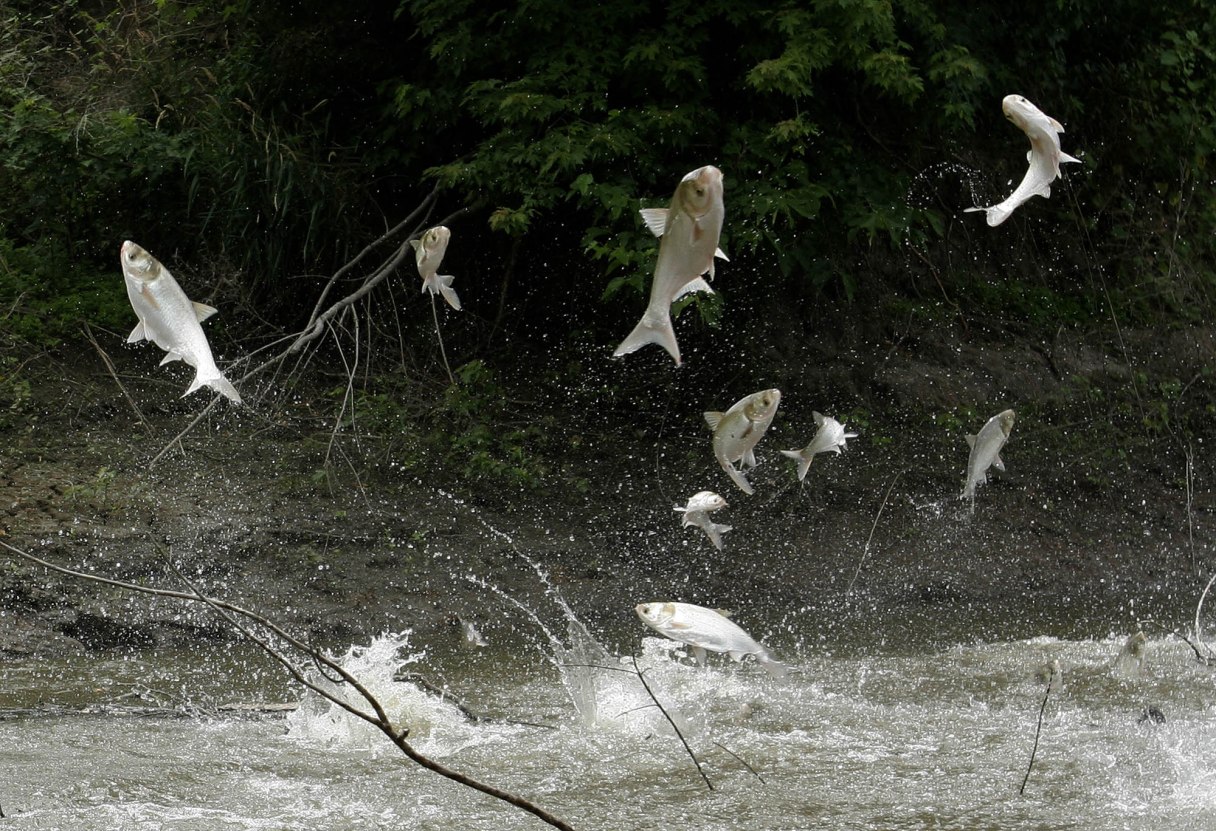
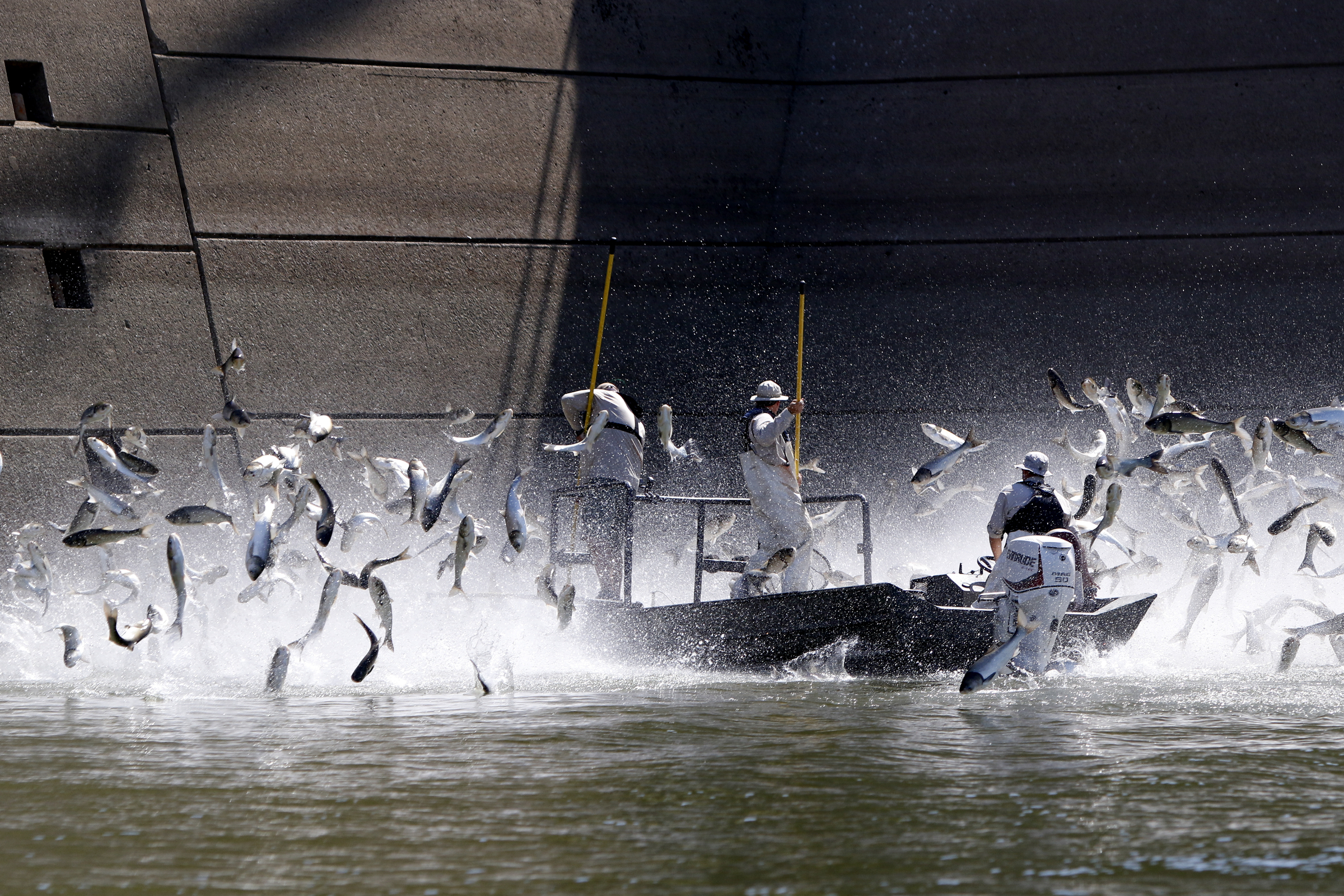
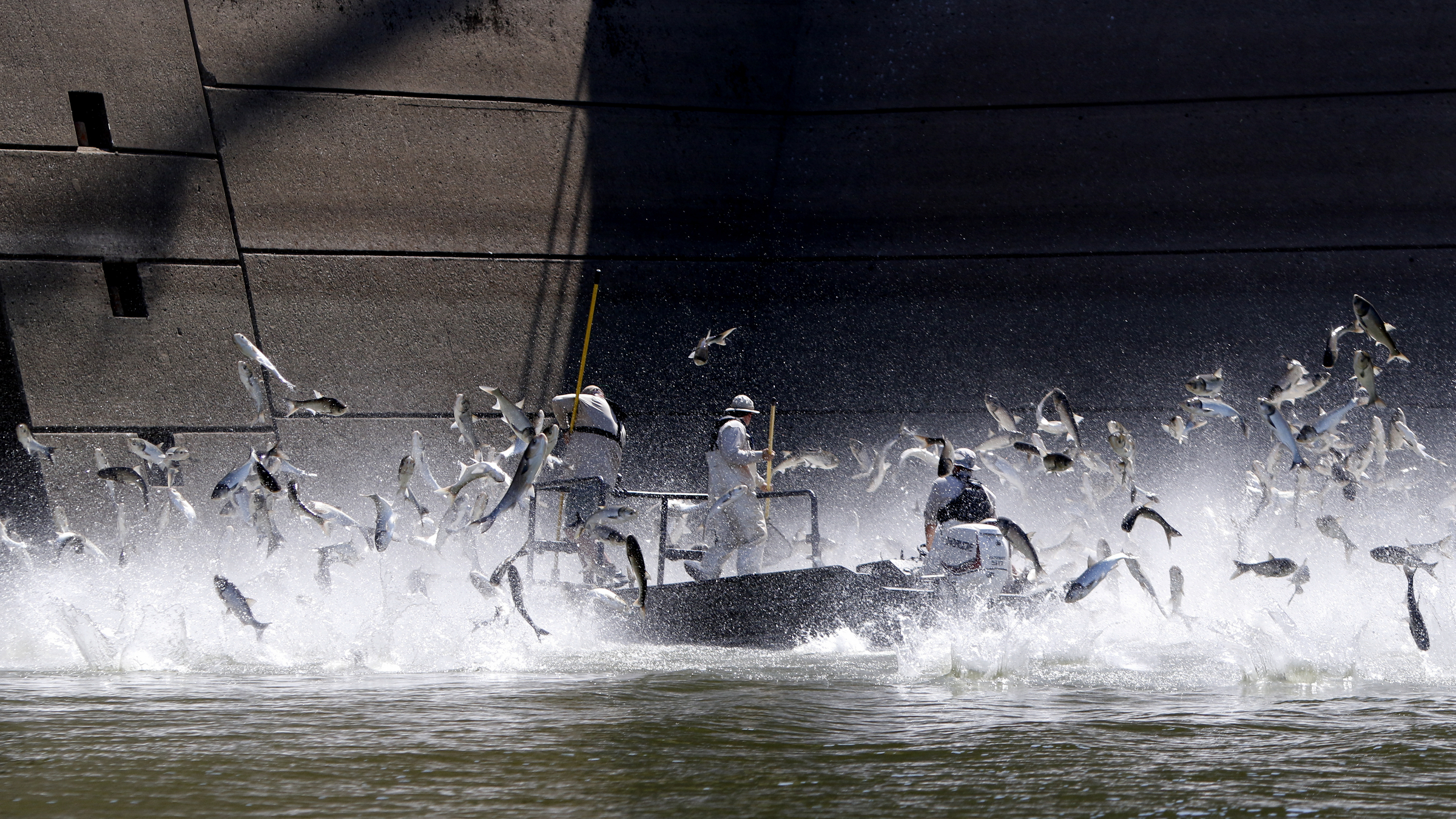
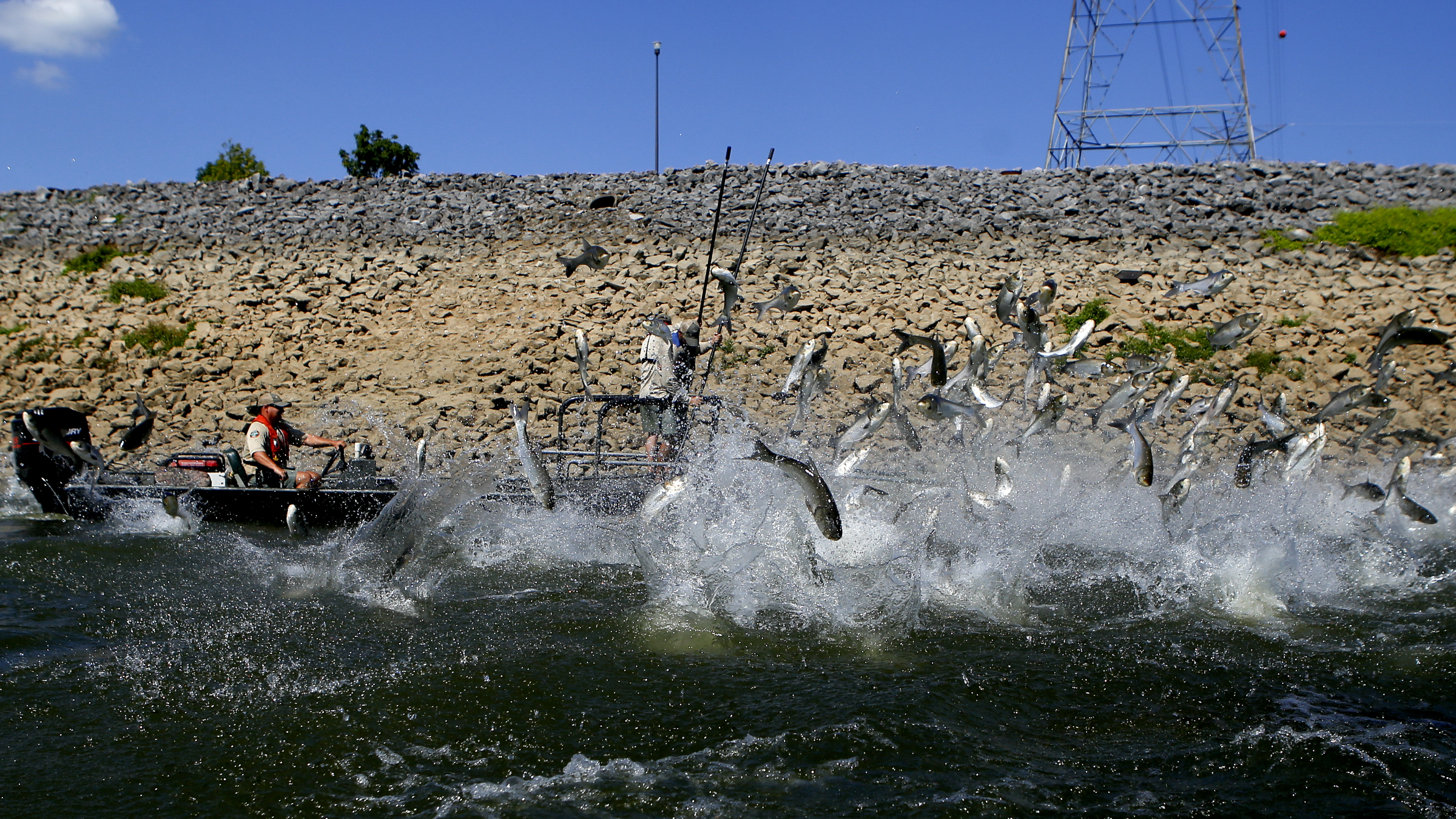
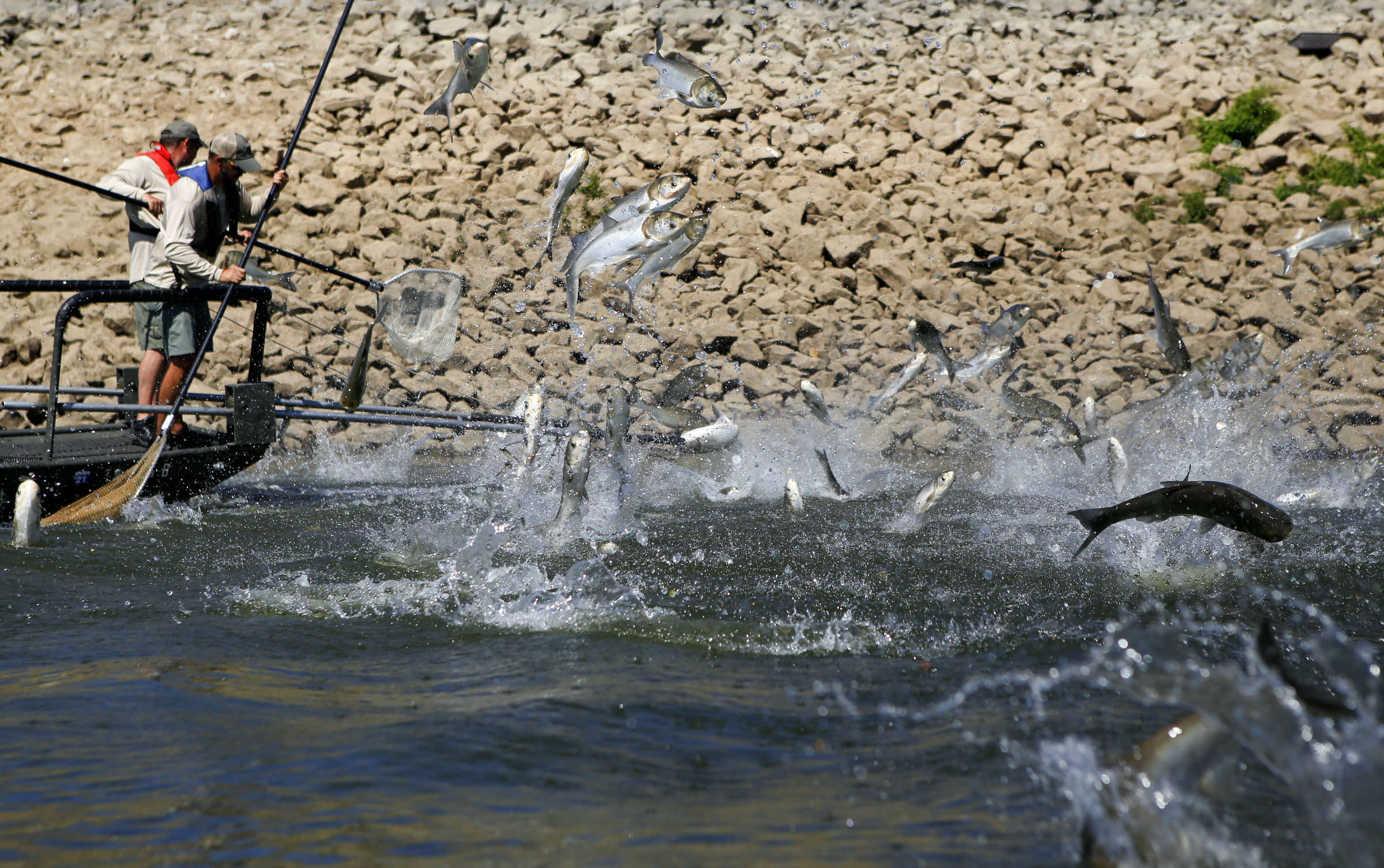
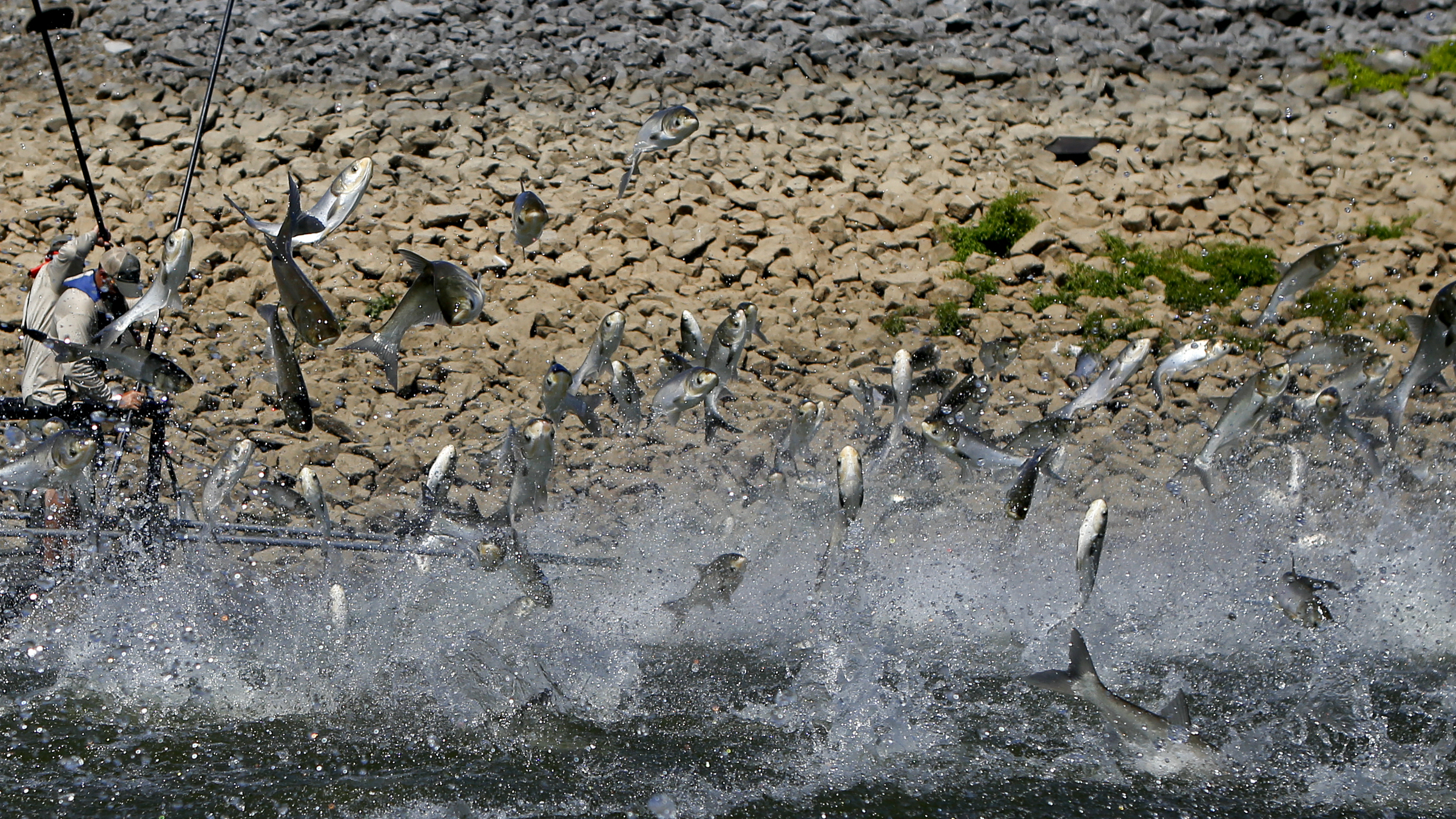
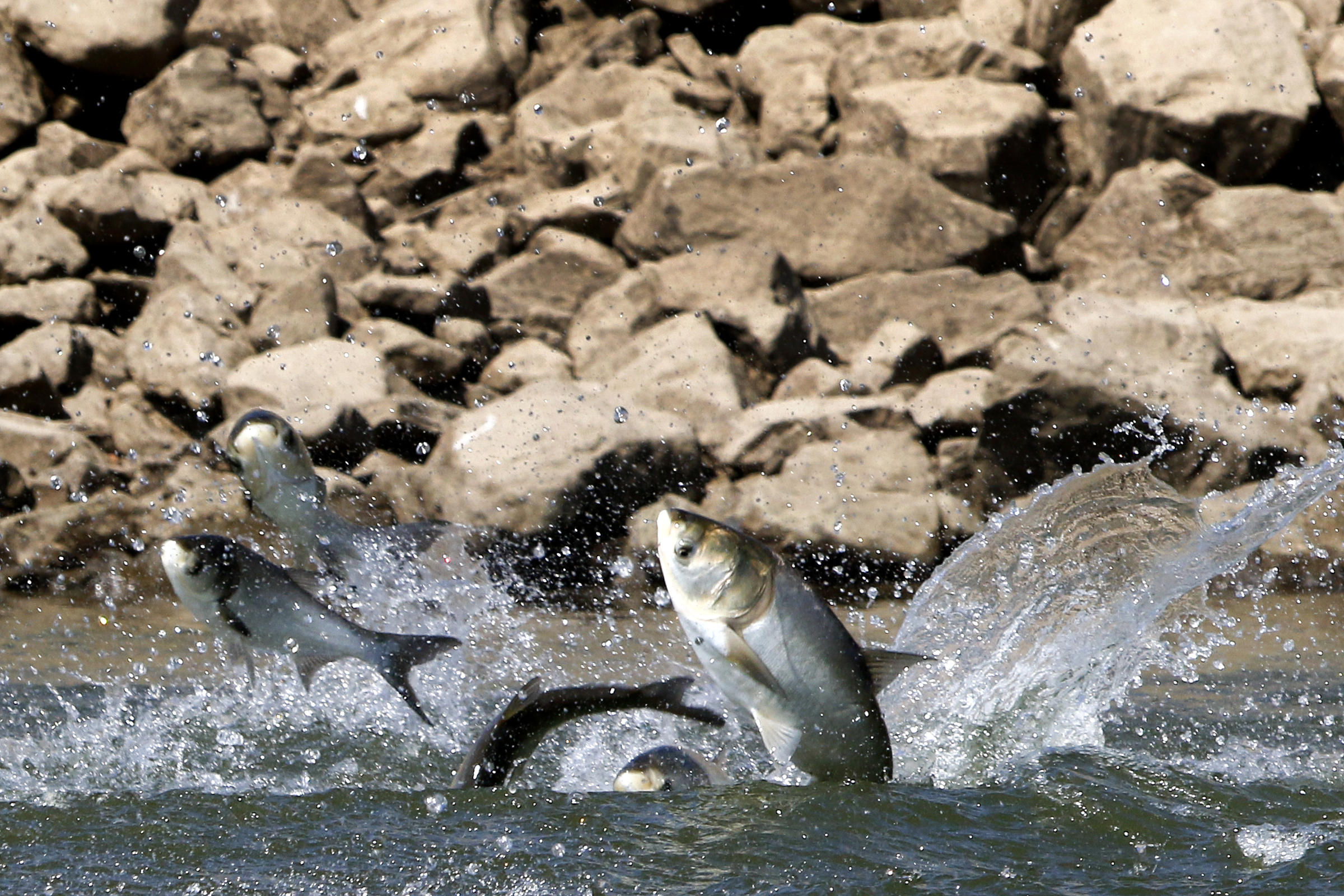
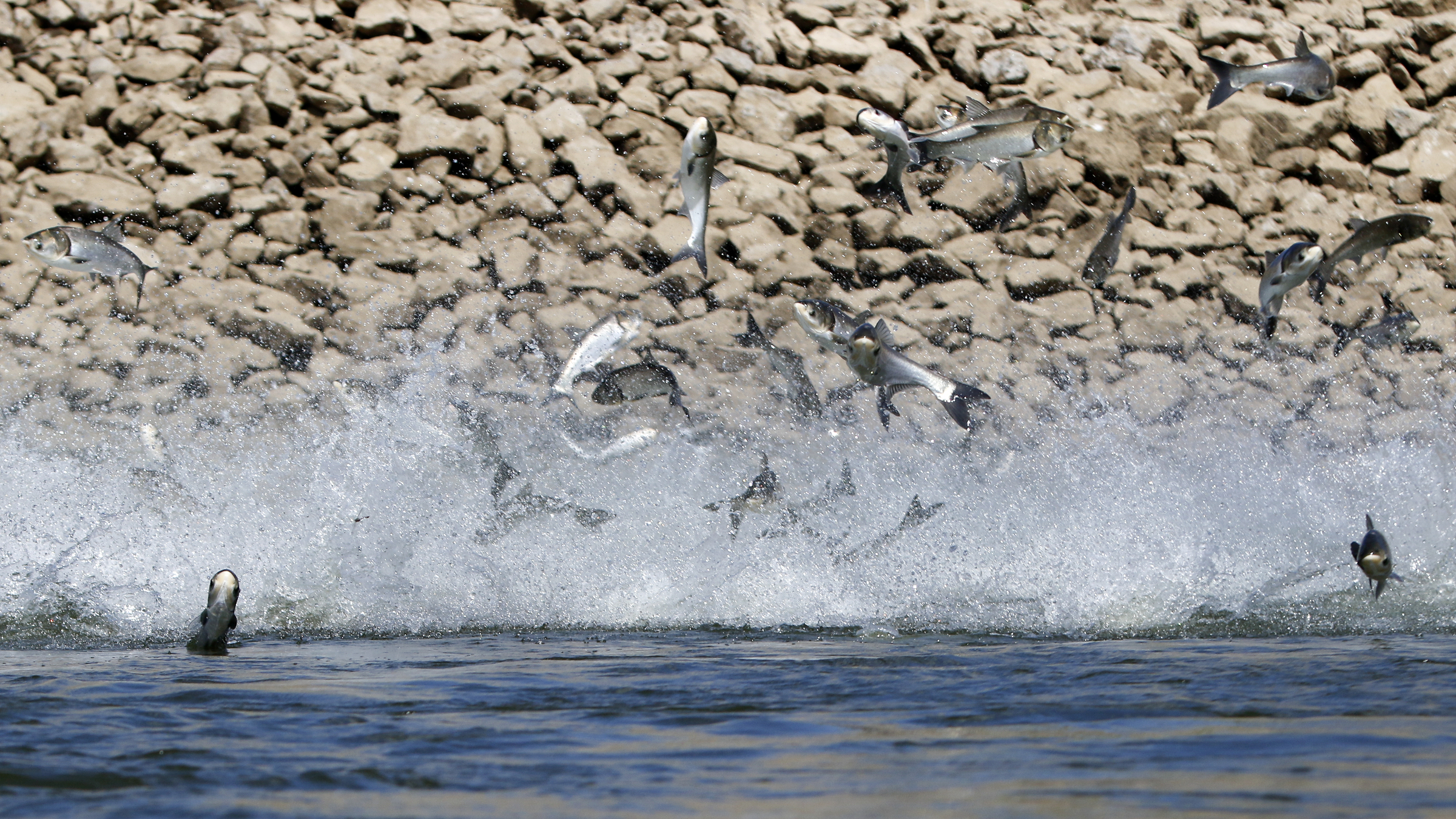
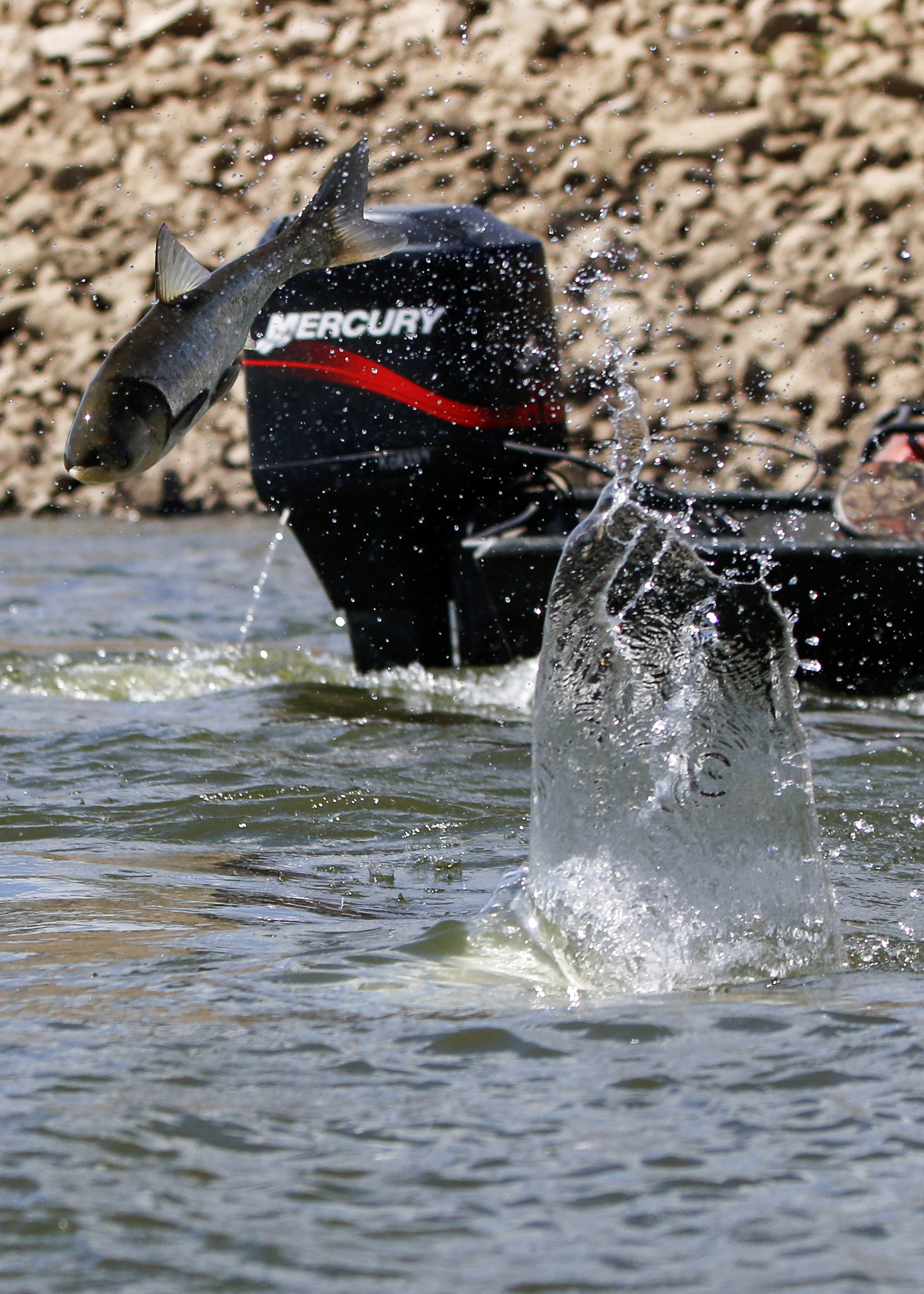
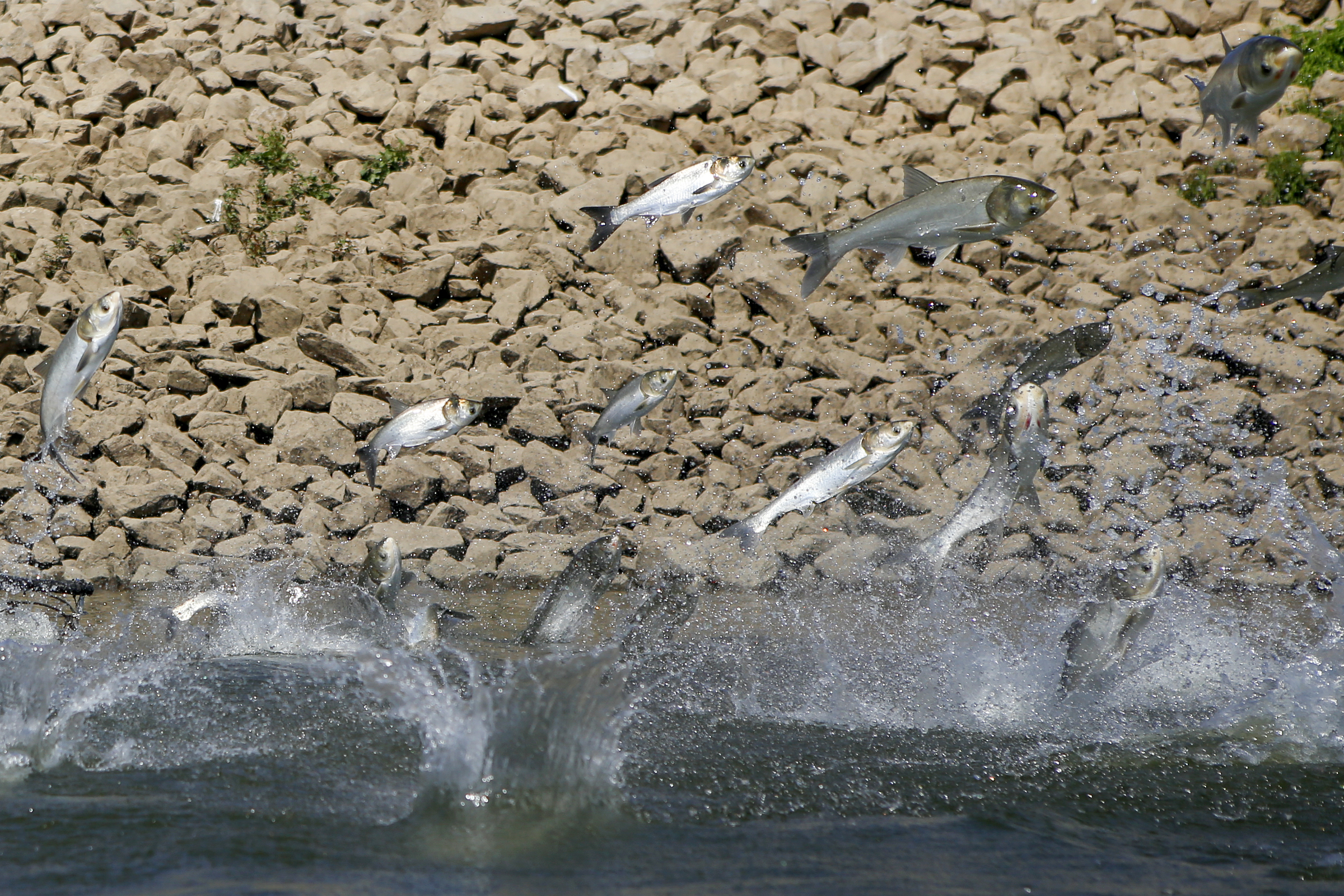
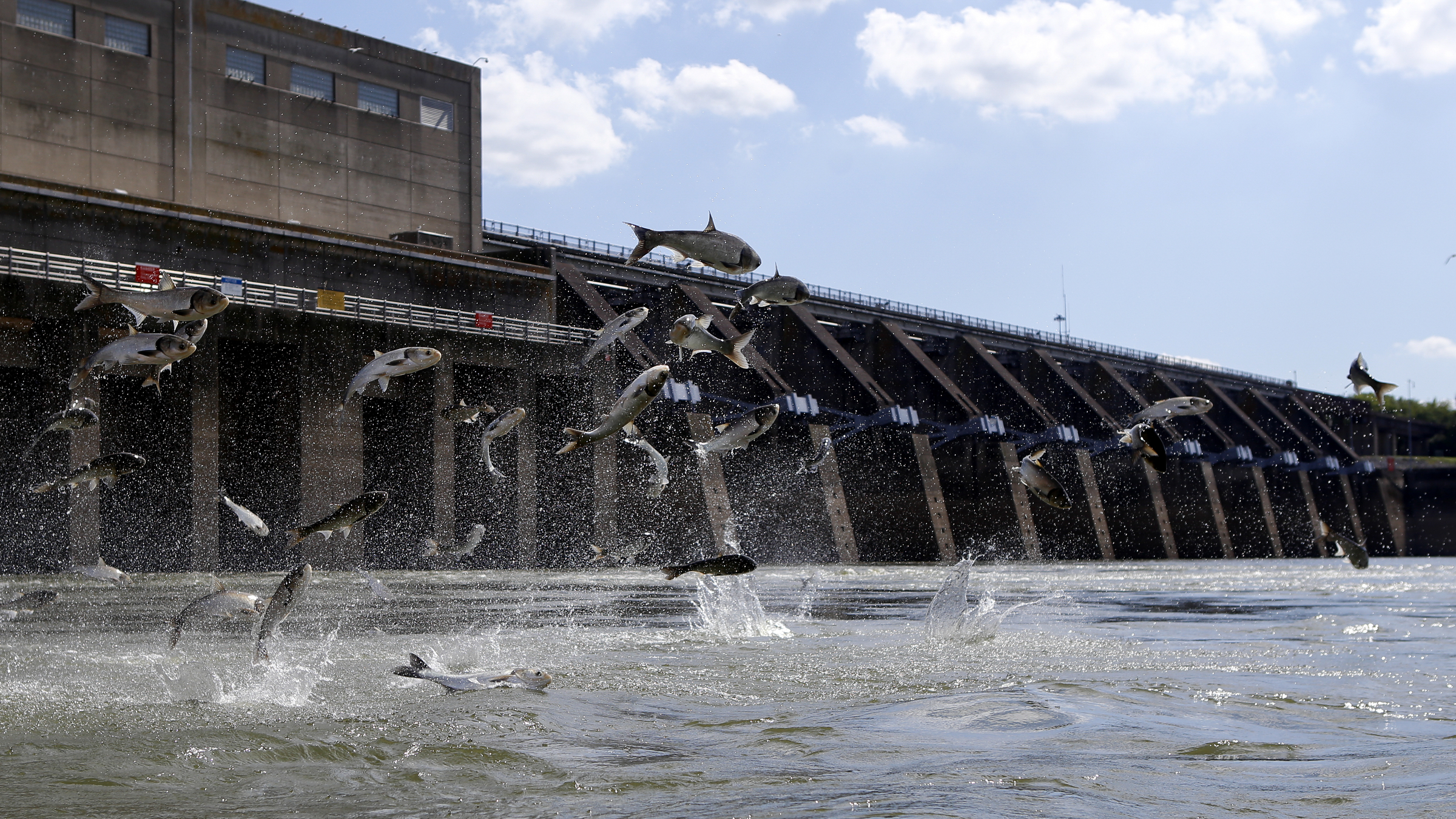
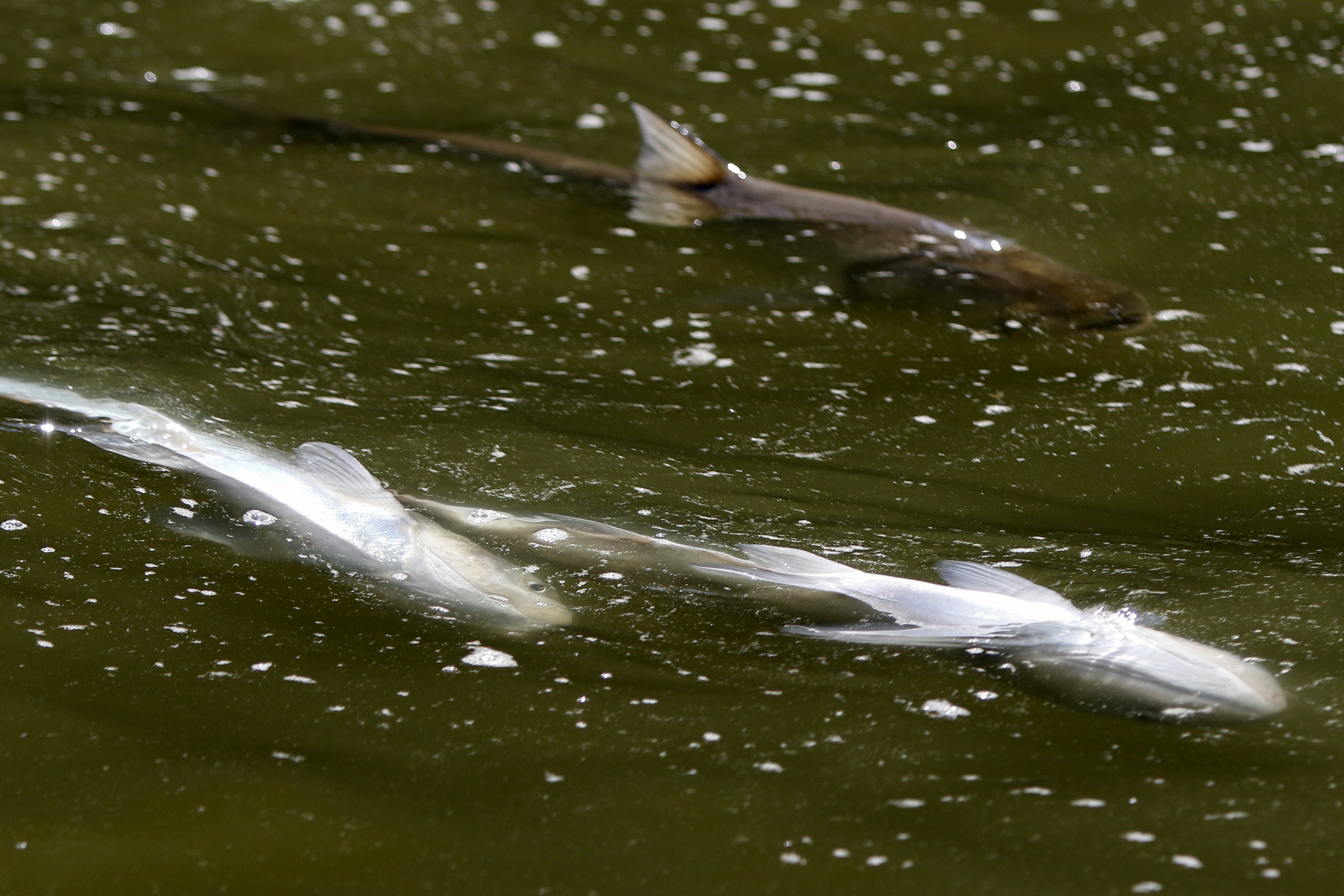
NASHVILLE – Tennessee Gov. Bill Lee says state wildlife officials are “committed” to fighting Asian carp after a photo emerged this month of a silver carp at Chickamauga Lake in Chattanooga and with officials now acknowledging the possibility that a “few more” may be in local waters.
In fact, the Tennessee Wildlife Resources Agency says it is increasing surveillance of carp not only at Chickamauga but also Nickajack and Watts Bar lakes.
Lee said in a statement that “Asian carp negatively impact Tennessee’s fisheries, recreational boaters, and local economies and we are committed to combating this problem.”
He said he’s pleased by the TWRA’s examination of “technologies to install a protective barrier in Tennessee’s reservoirs as well as subsidizing the removal of carp where they exist. My administration will continue to work with the TWRA to ensure our waterways are protected.”
The wildlife resources agency said Tennessee is collaborating with multiple states and federal agencies to control Asian carp.
In its news release, the agency said the recently reported photo of the silver carp in Chattanooga “suggests that a few silver carp have migrated upstream through navigation locks.”
The TWRA said that, before the Chattanooga photo, the most upstream observation of silver carp was Wheeler Lake near Decatur, Alabama, in March 2017.
But “TWRA fish monitoring through 2019 has not yielded a single carp, suggesting that silver carp are rare in Chickamauga Lake,” the agency said.
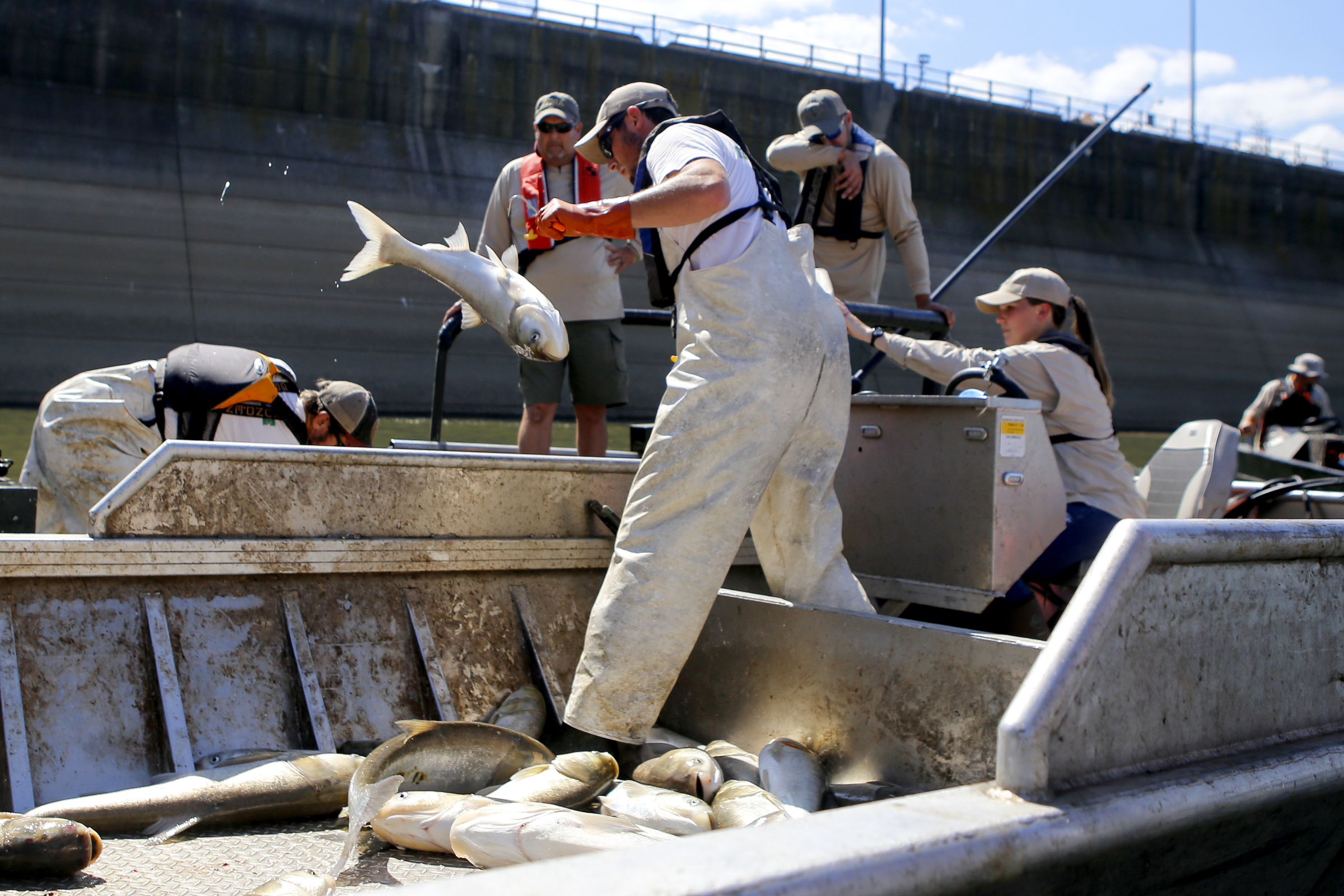




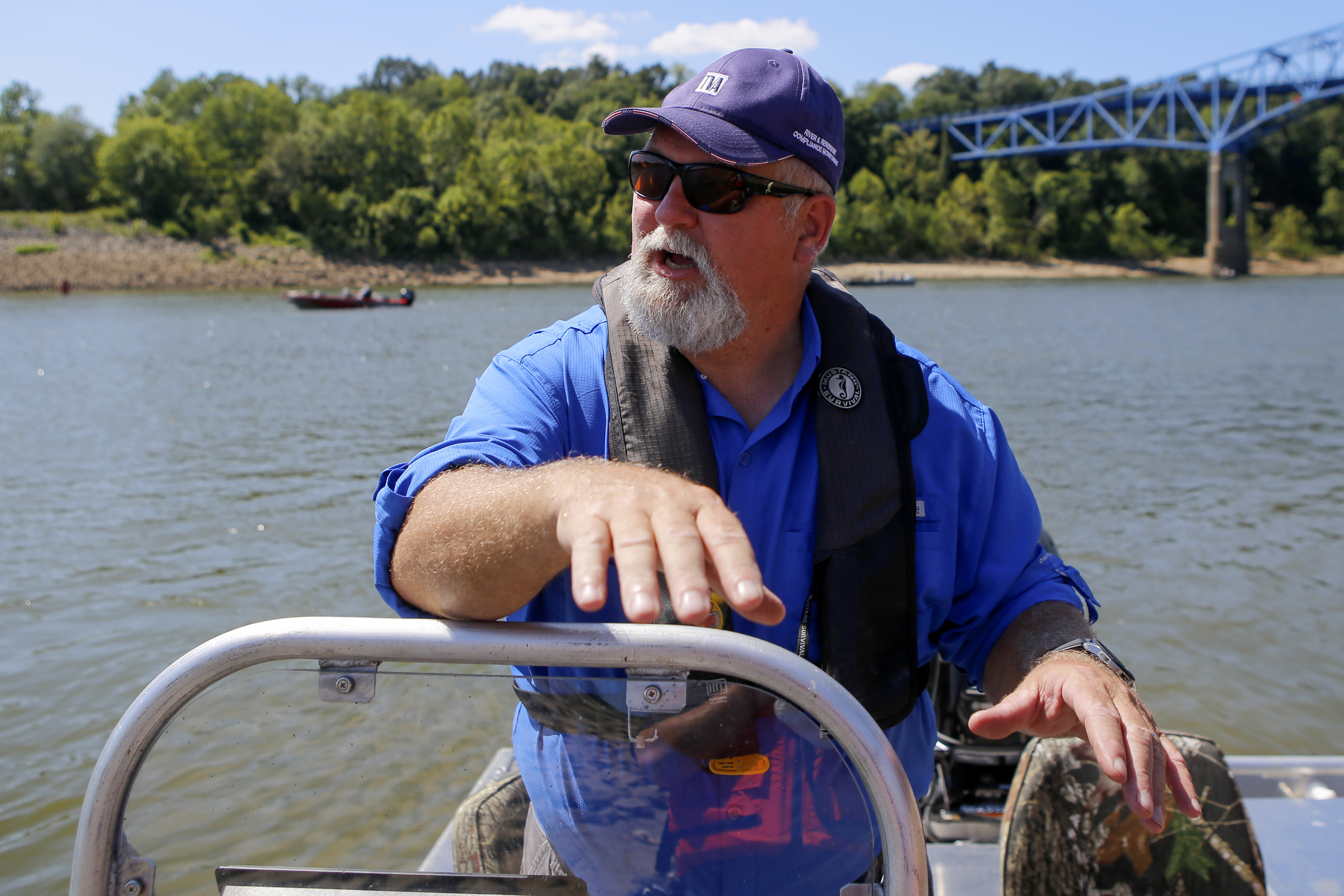
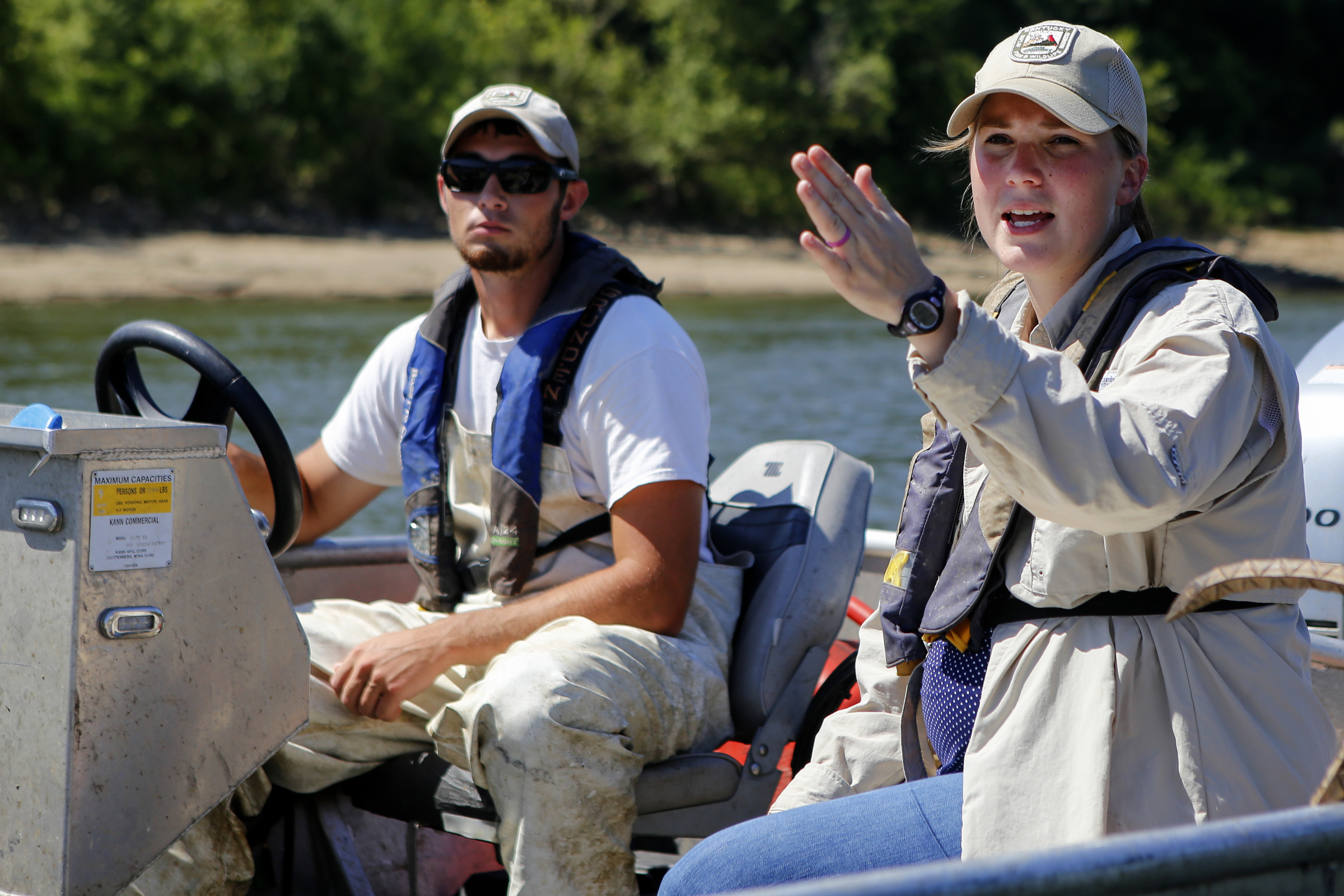
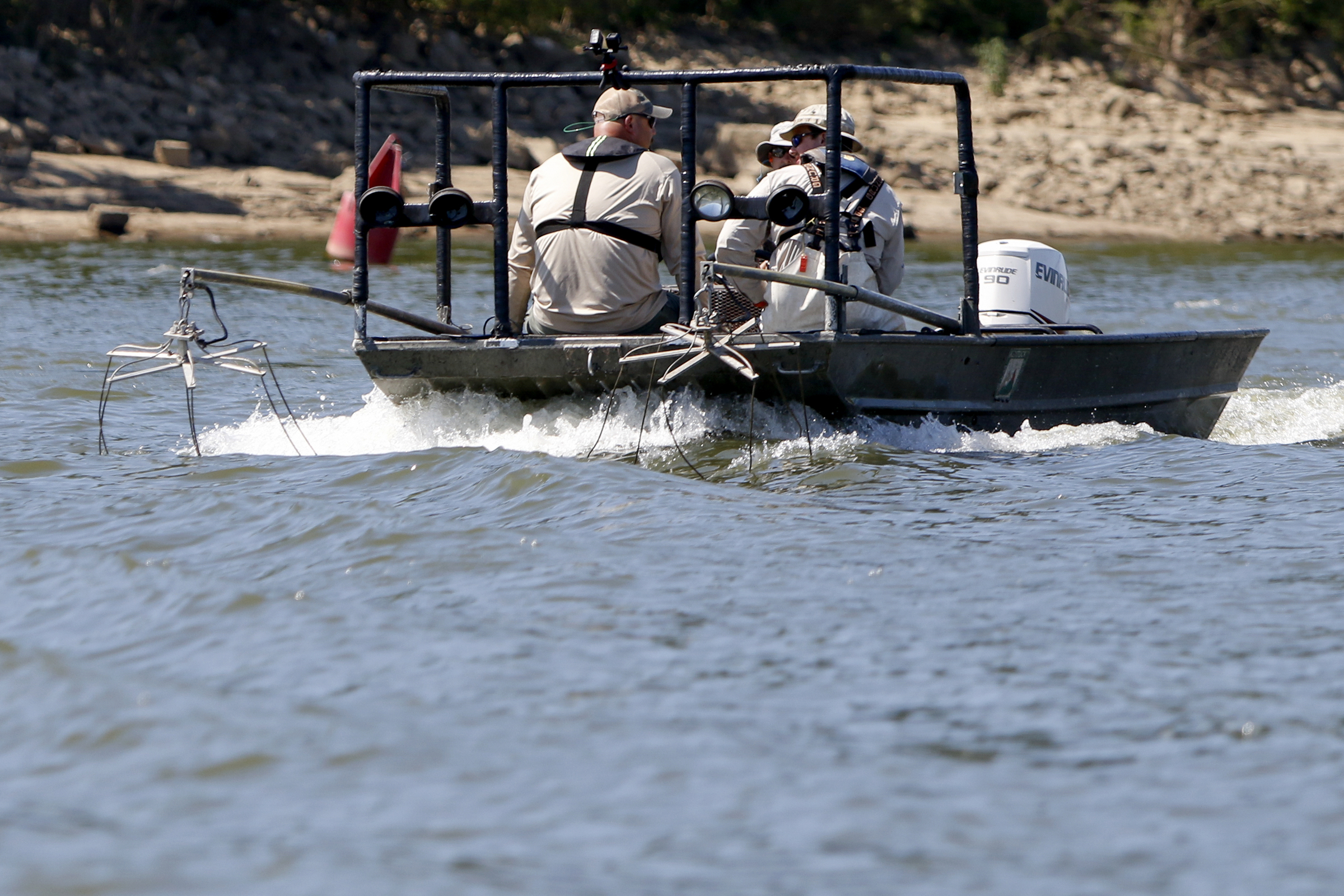
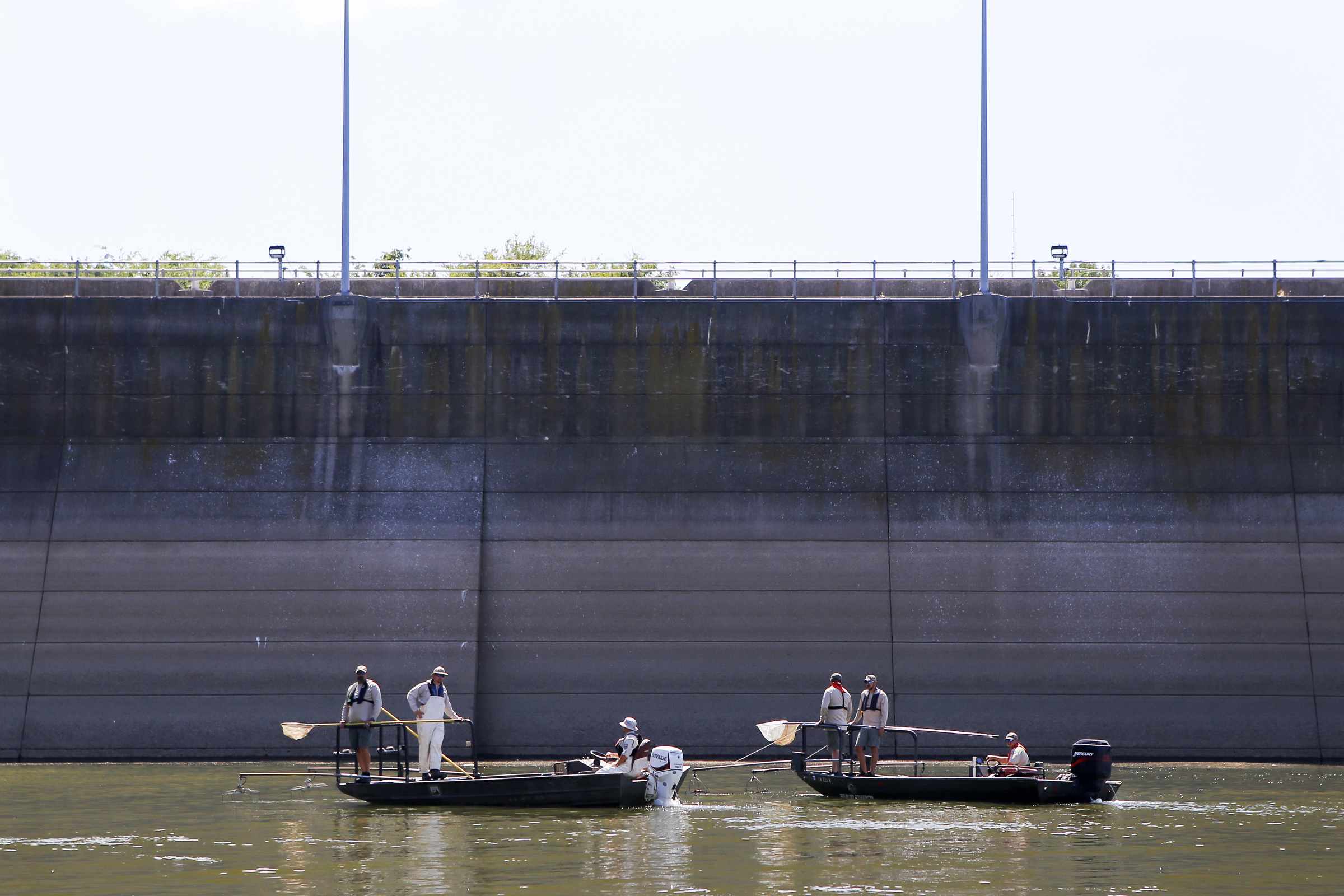
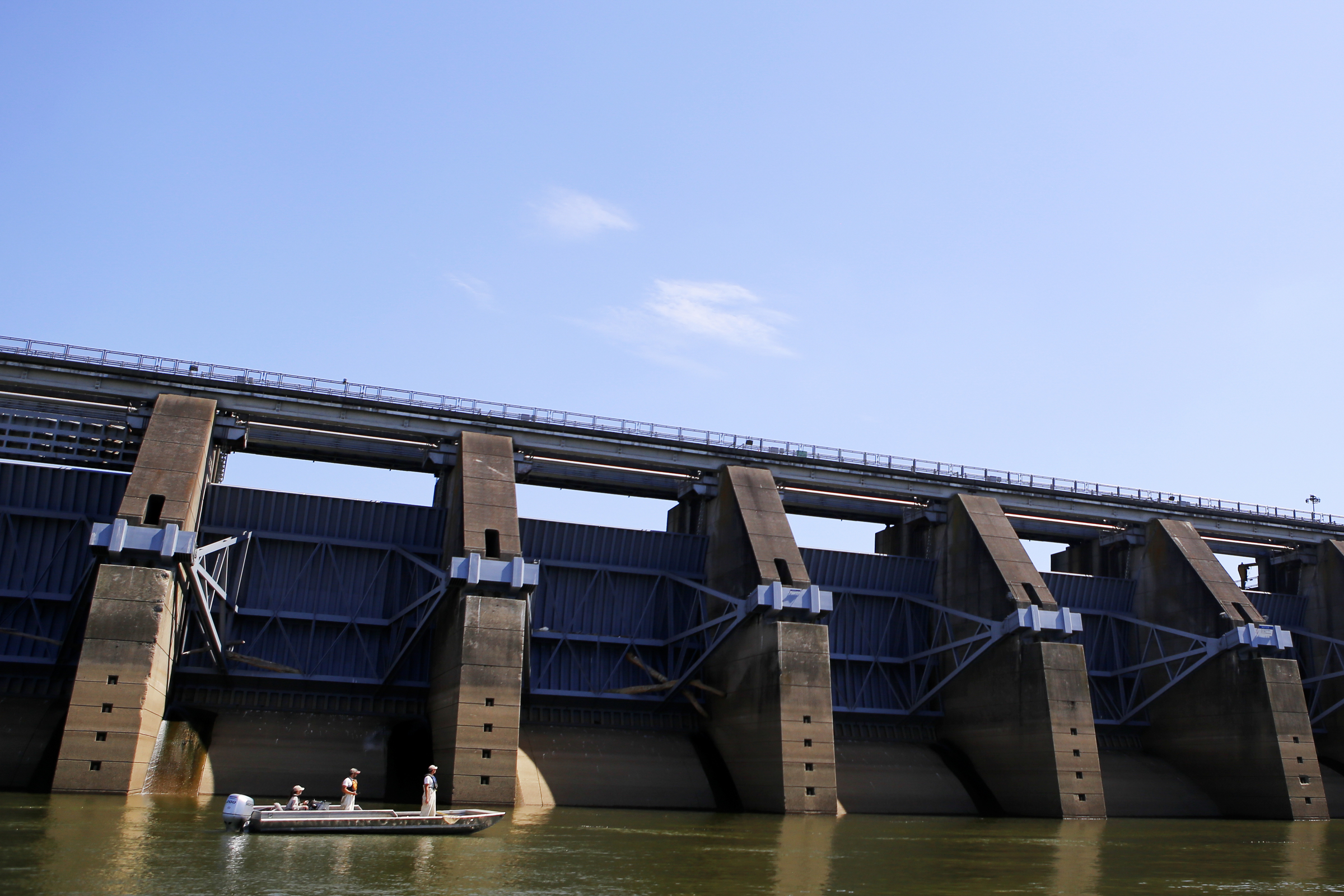
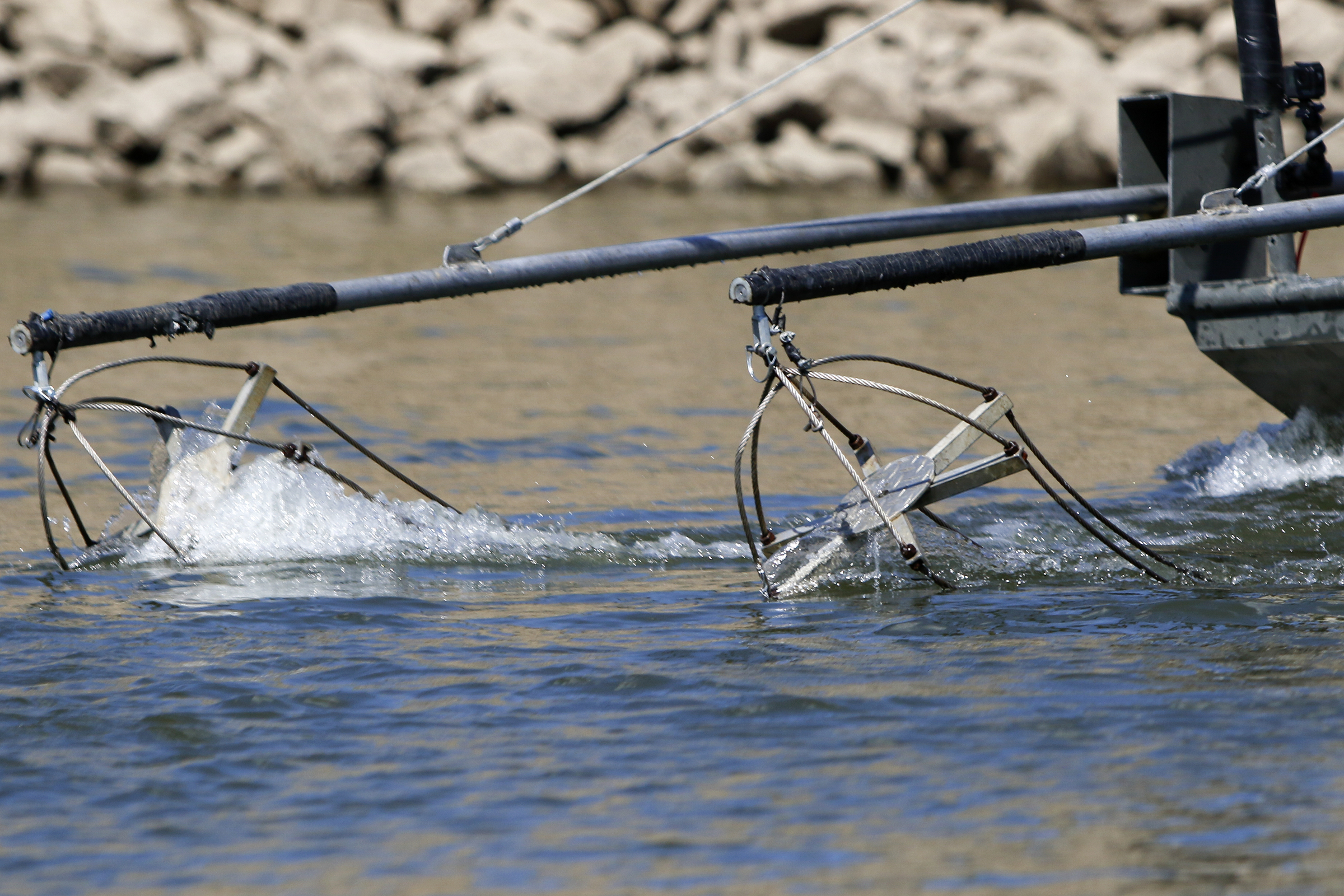
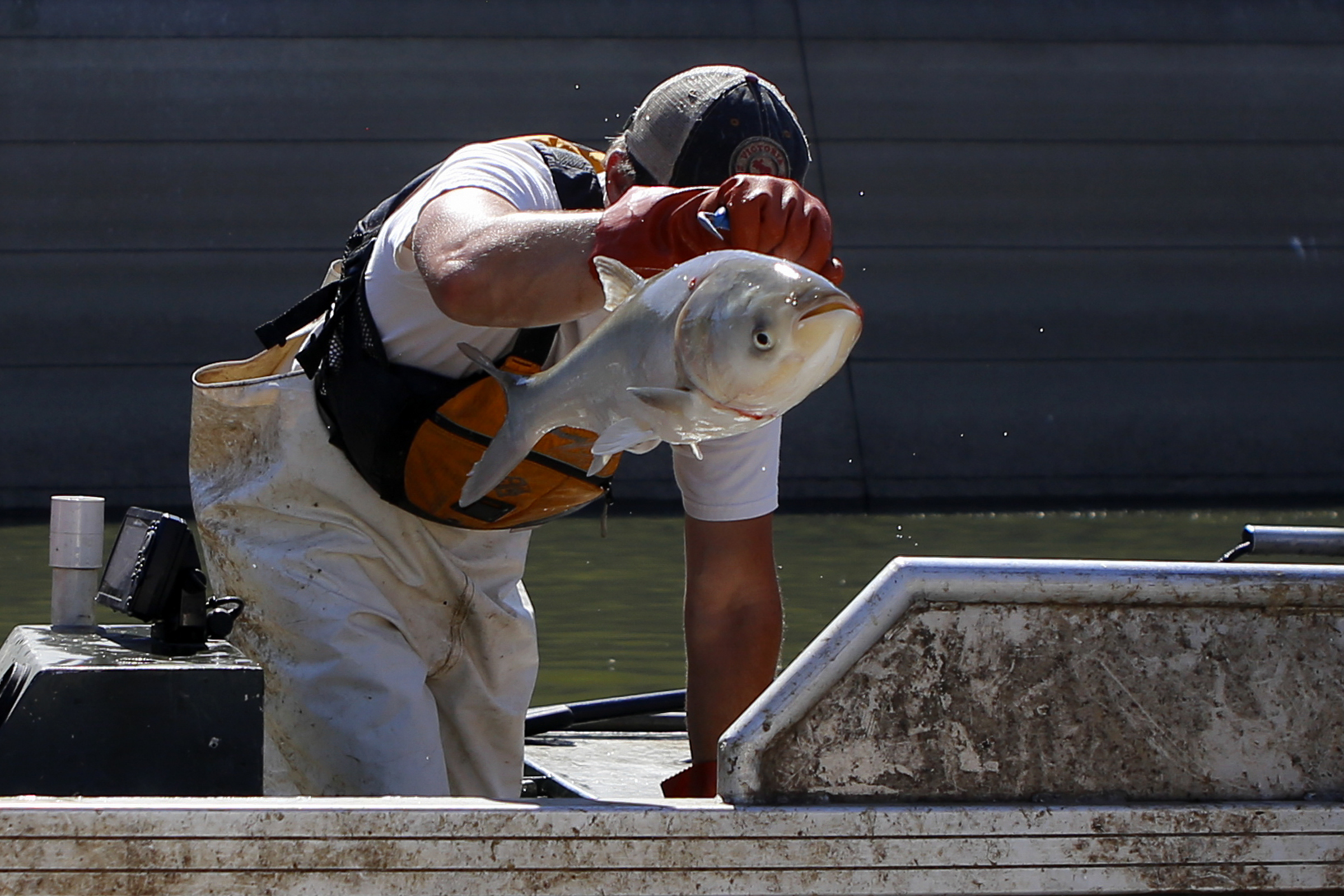
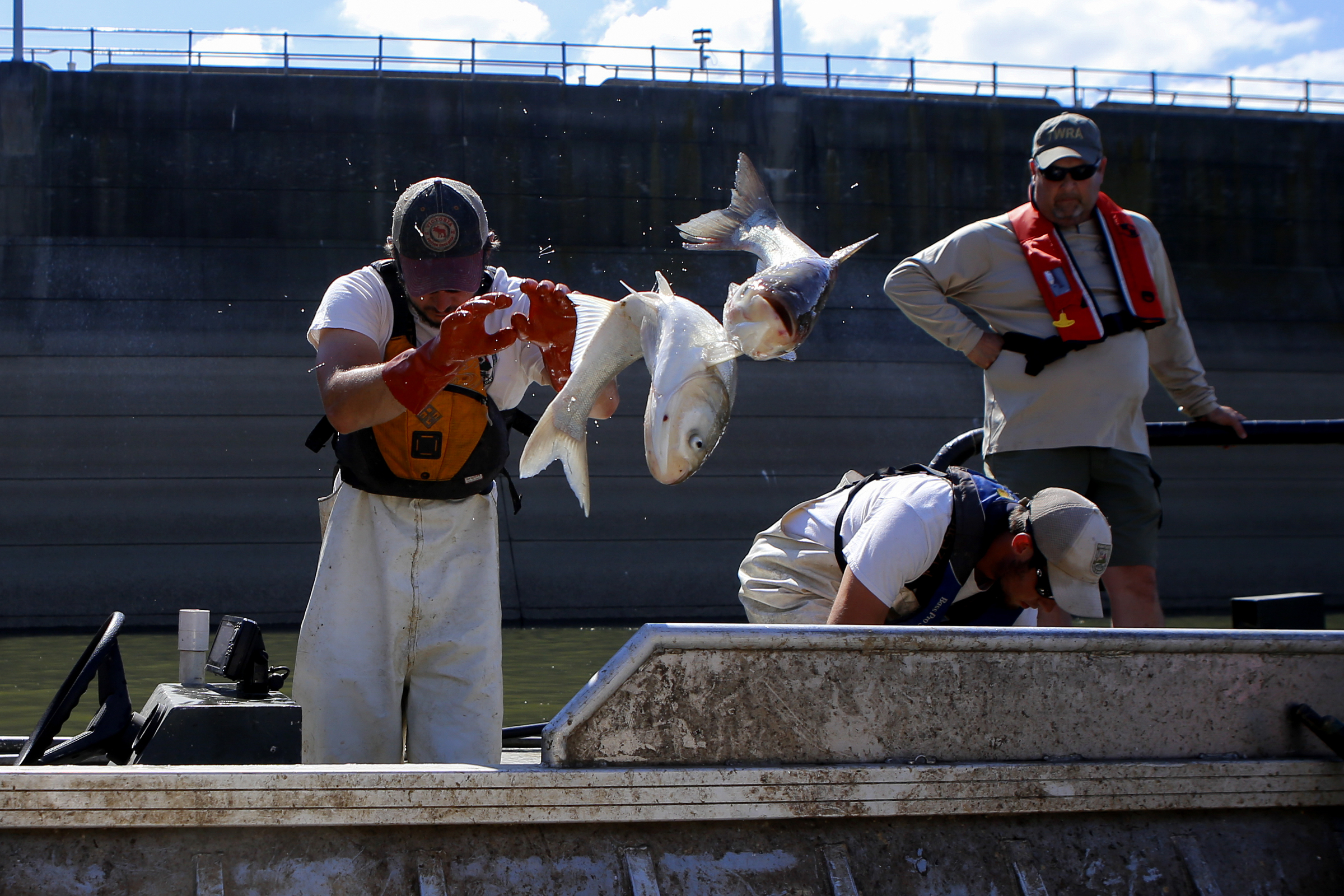
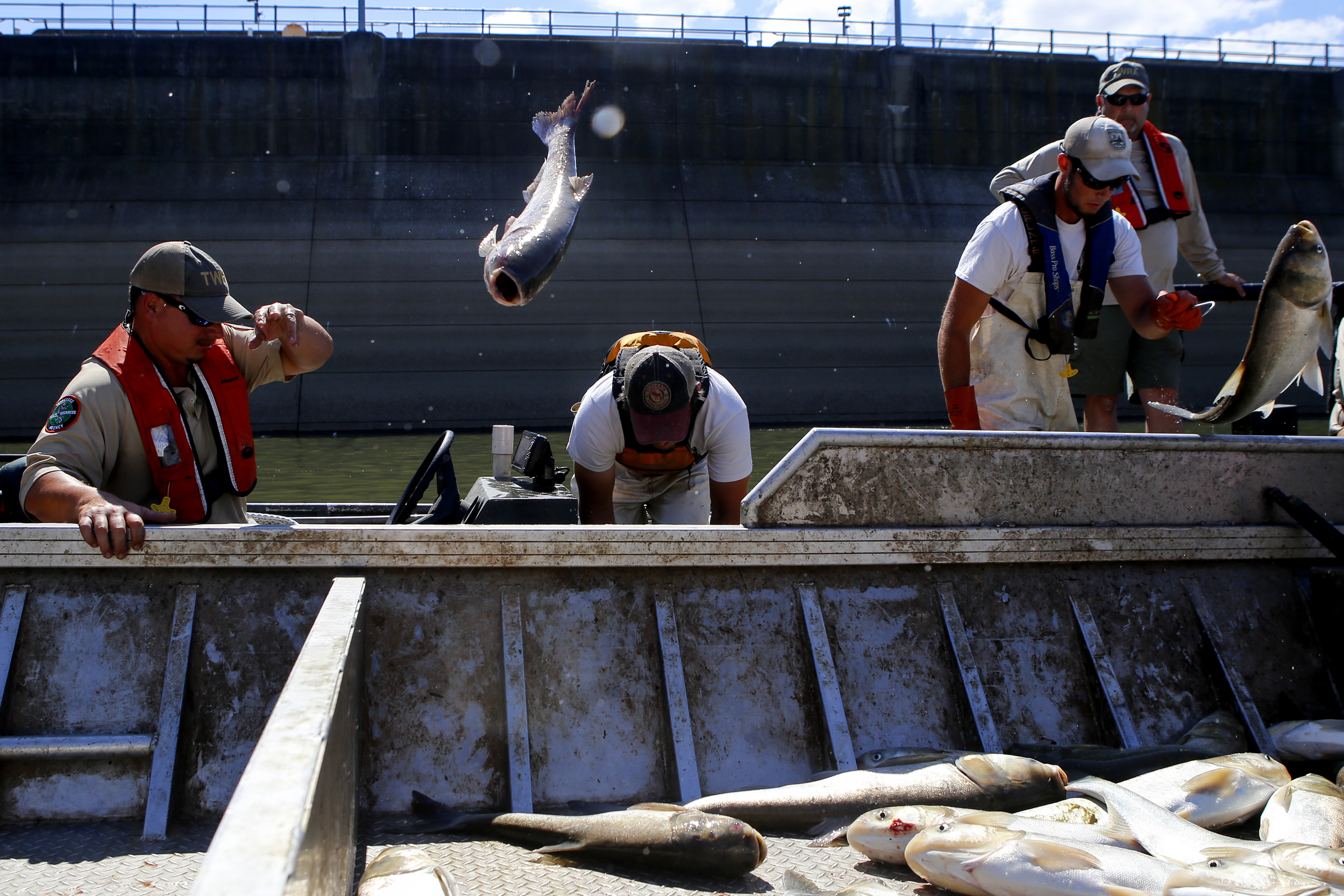
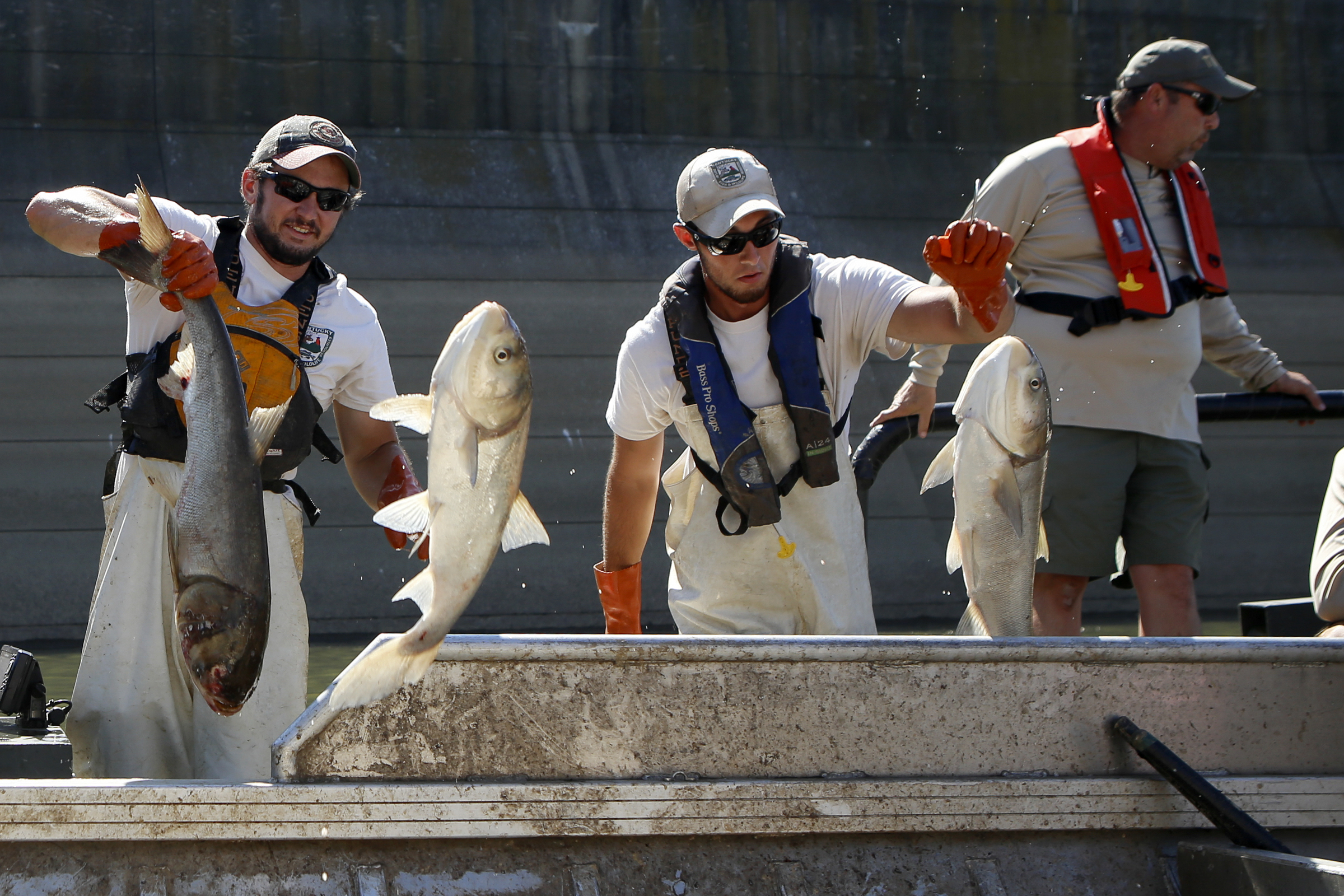
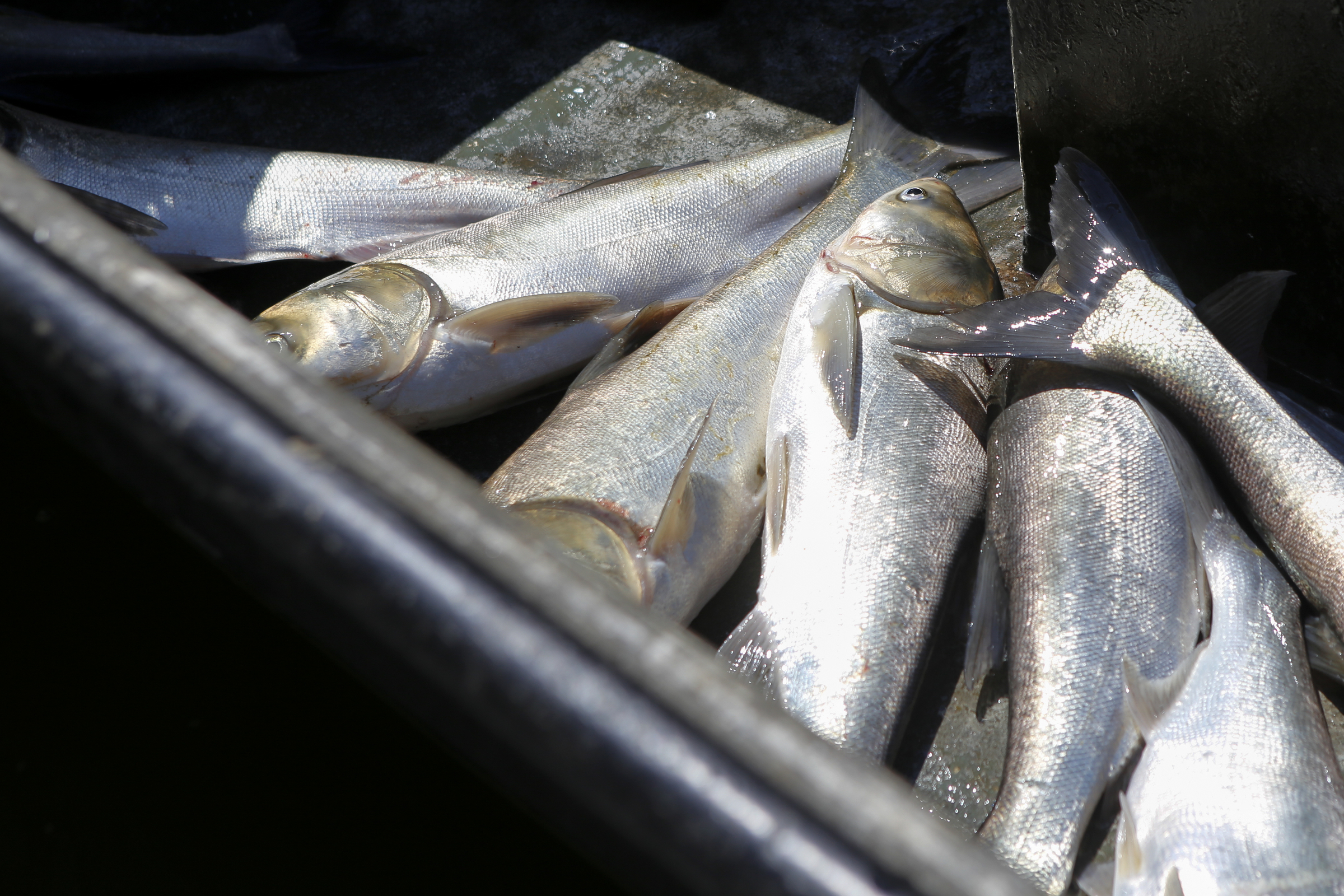
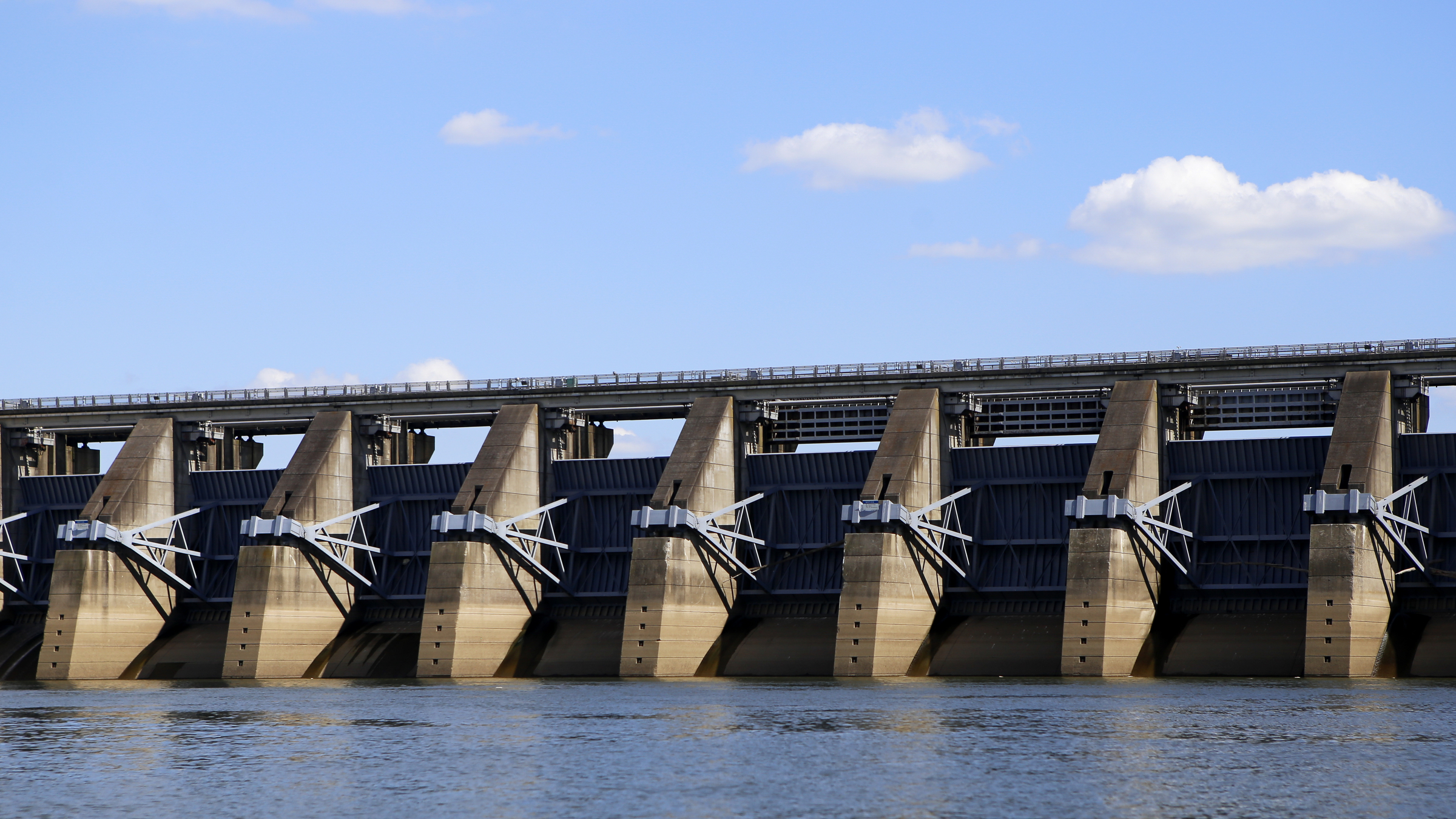
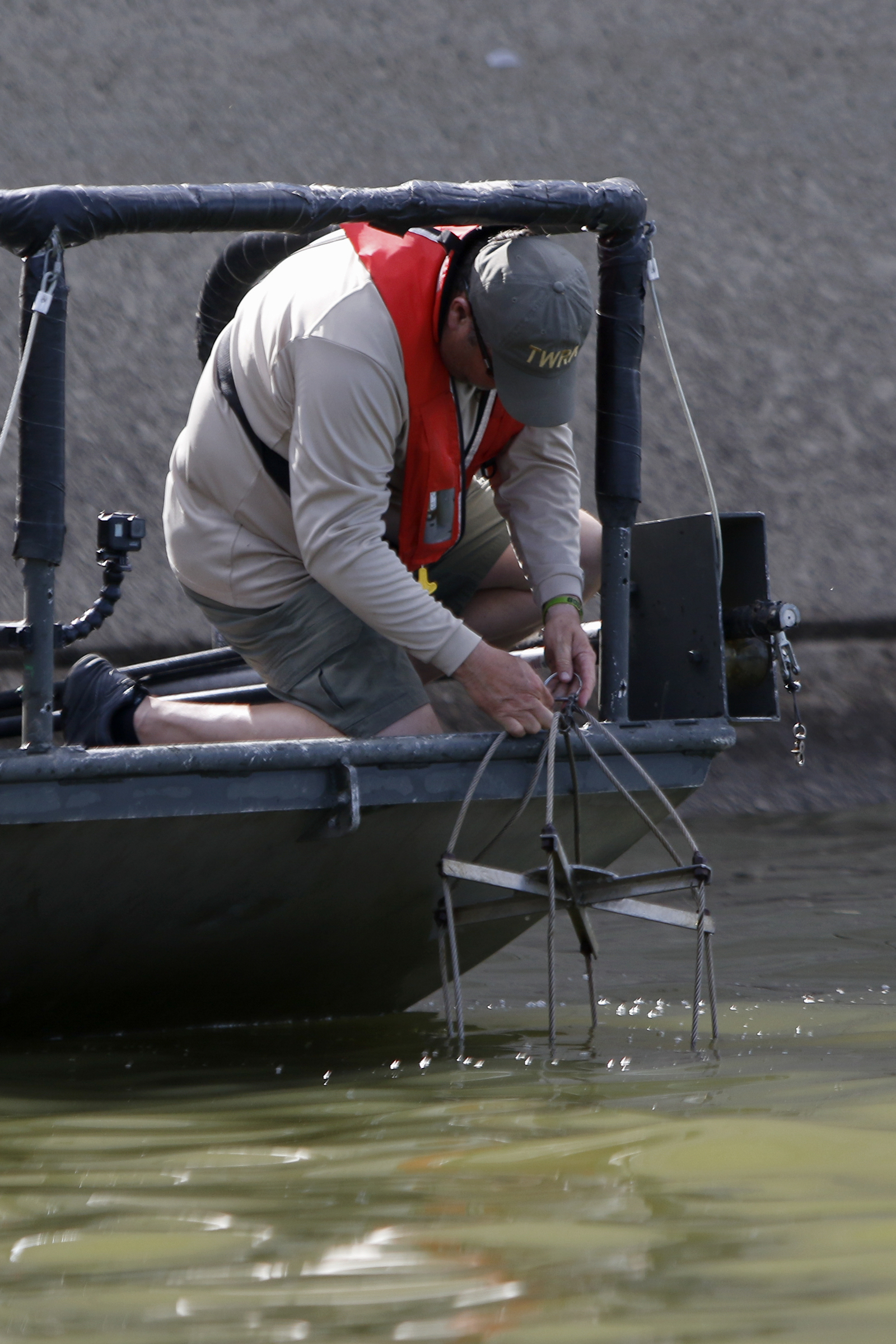

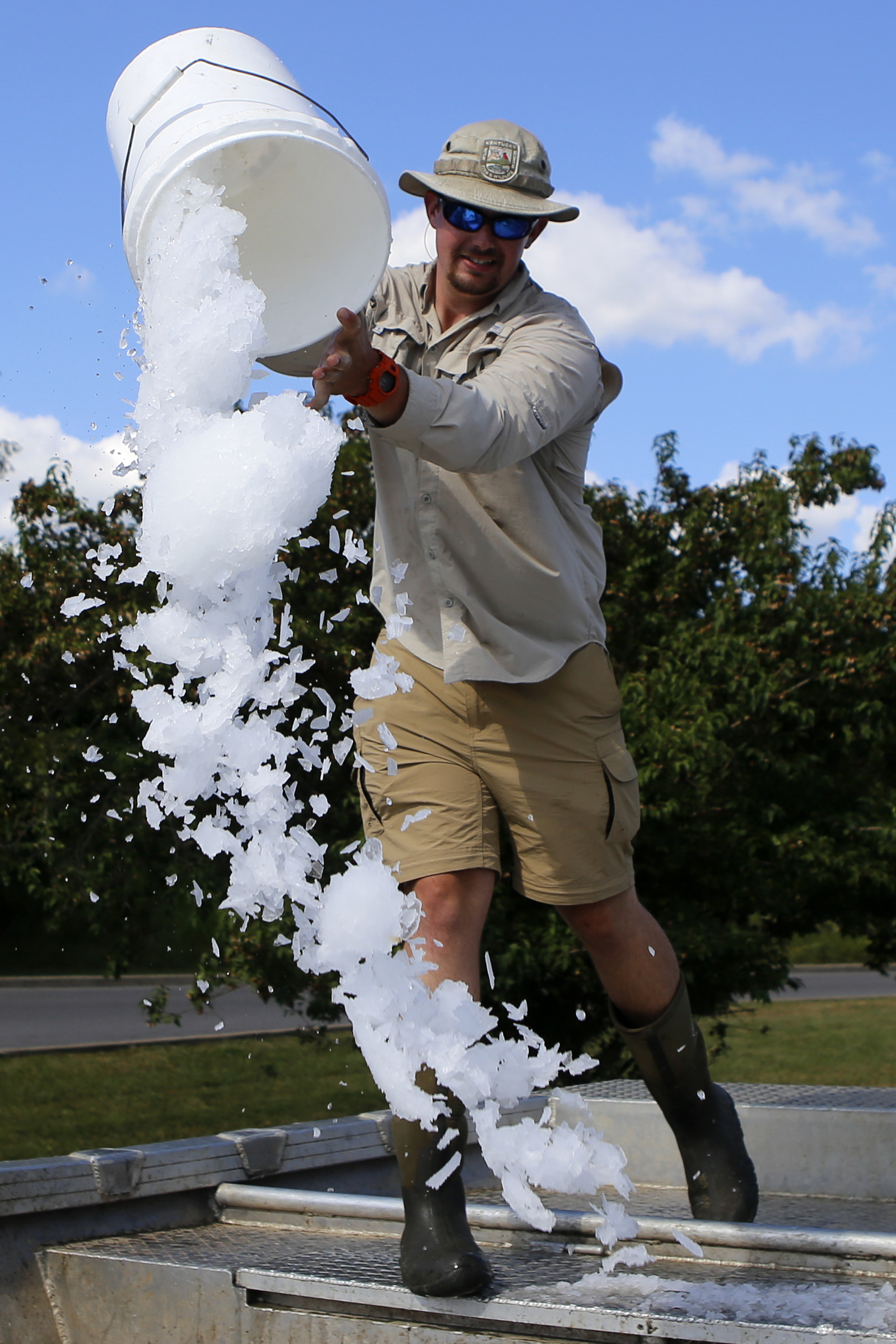

In July, the Times Free Press reported tests showed one of 50 biological samples researchers took below Watts Bar Dam north of Dayton in 2019 came back positive for bighead carp, another species of Asian carp.
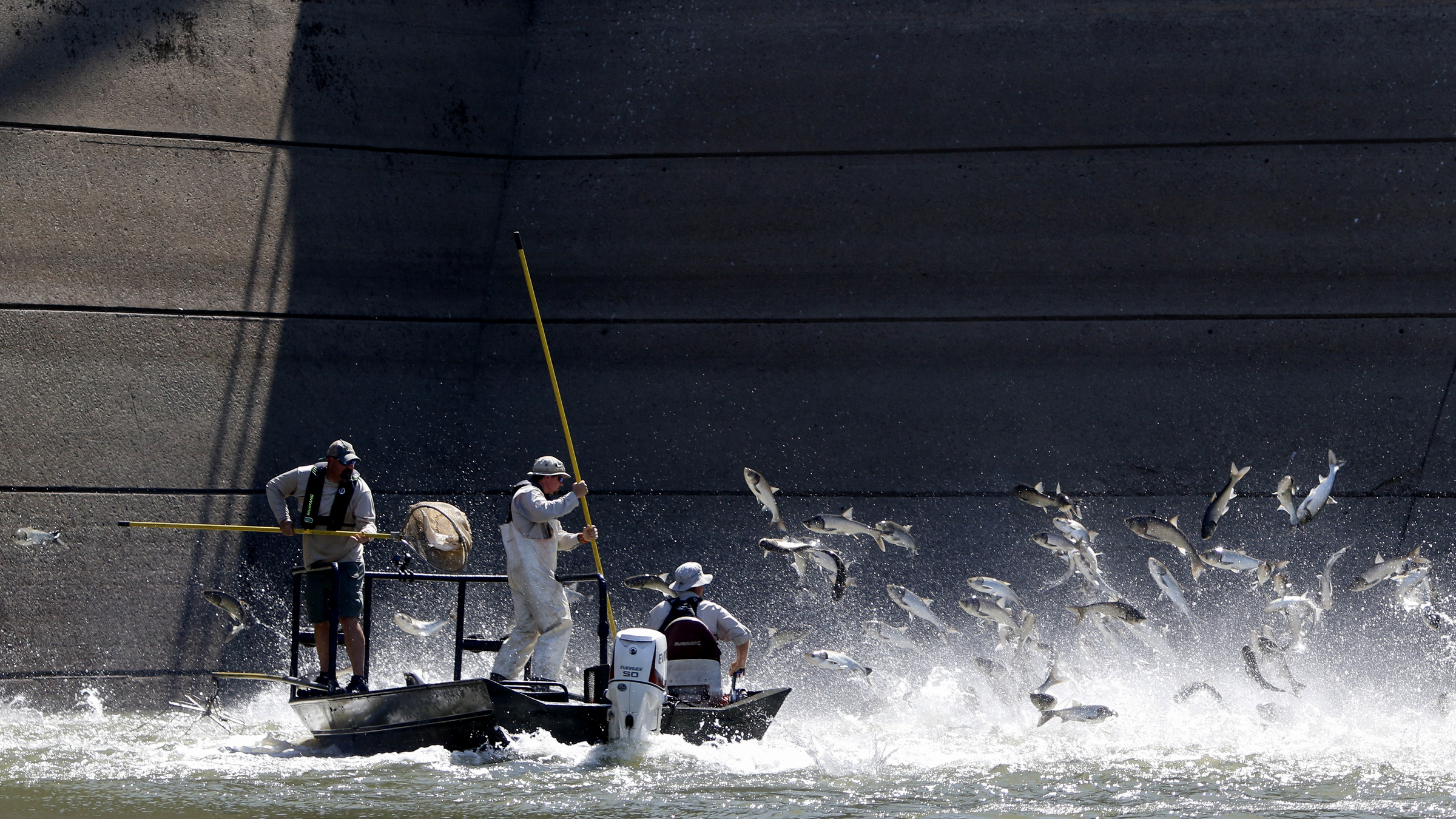
The Asian carp species are seen as being detrimental to the local ecosystem, and on some lakes in Middle and West Tennessee, boaters have been struck by the fish.
Tennessee supported and assisted with an experimental sound barrier at Barkley Lock that started testing on Nov. 8, 2019.
The barrier is being evaluated “to determine if a combination of sound, light, and bubbles will deter carp from entering Barkley Lock,” the agency said in its statement.
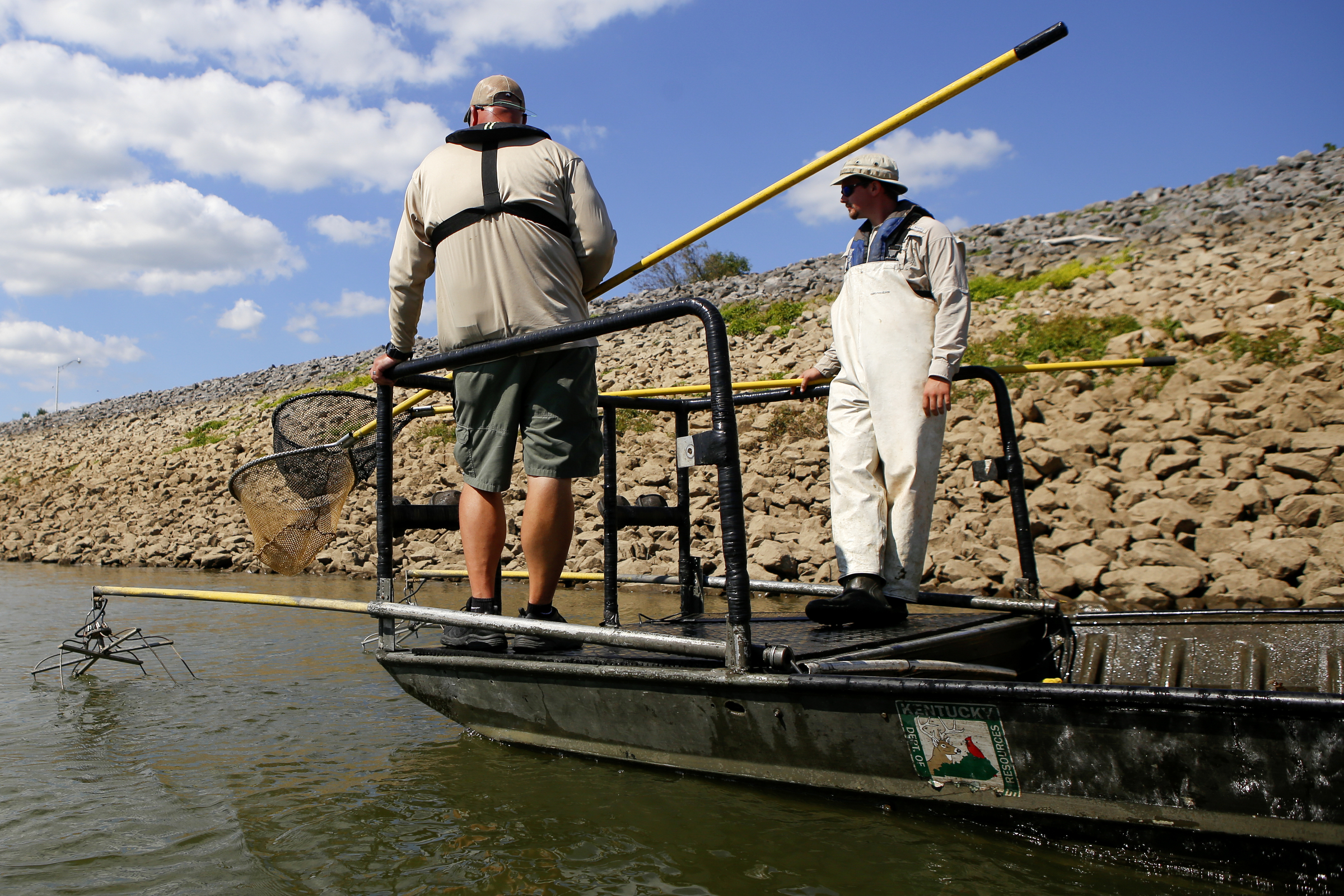
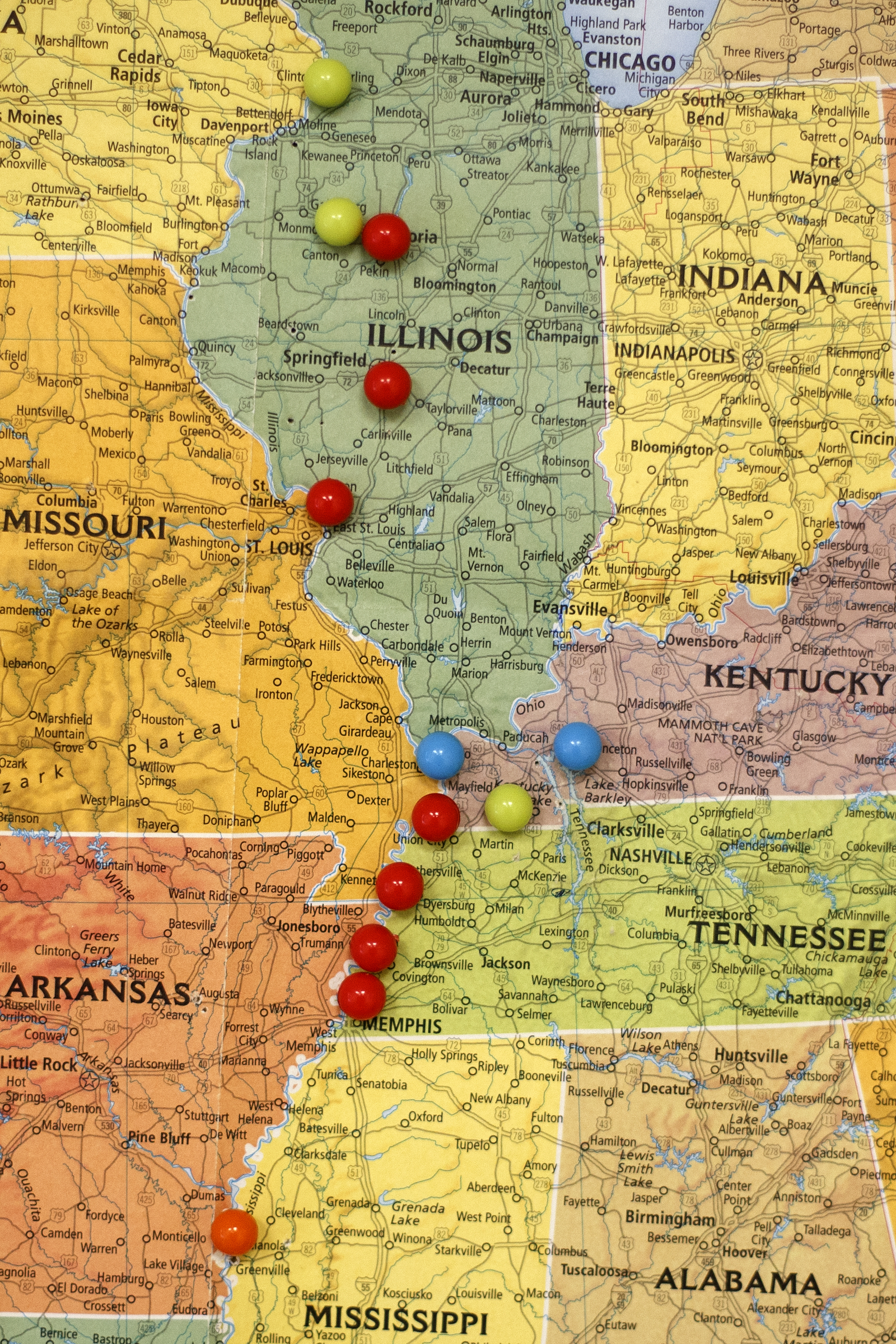
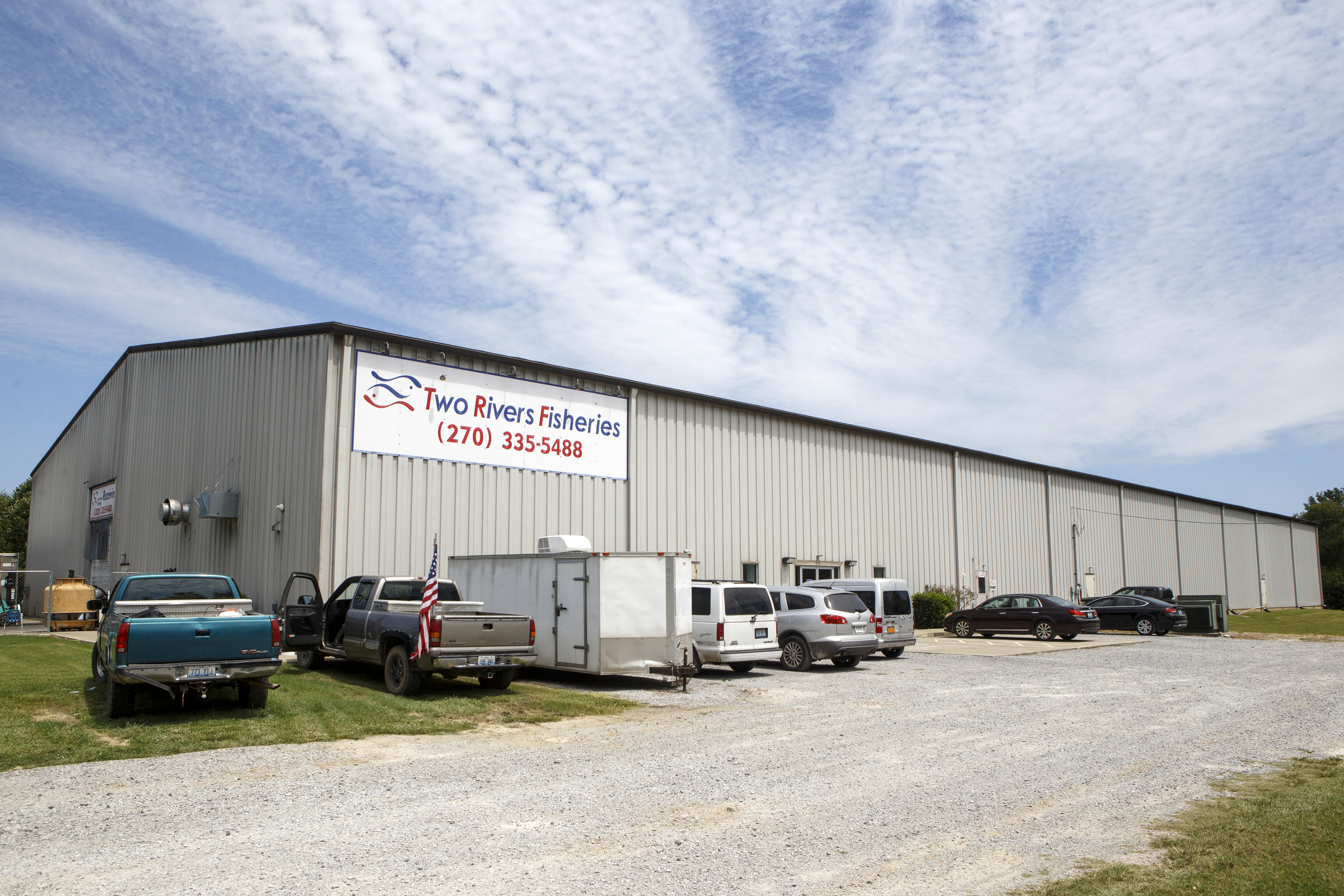
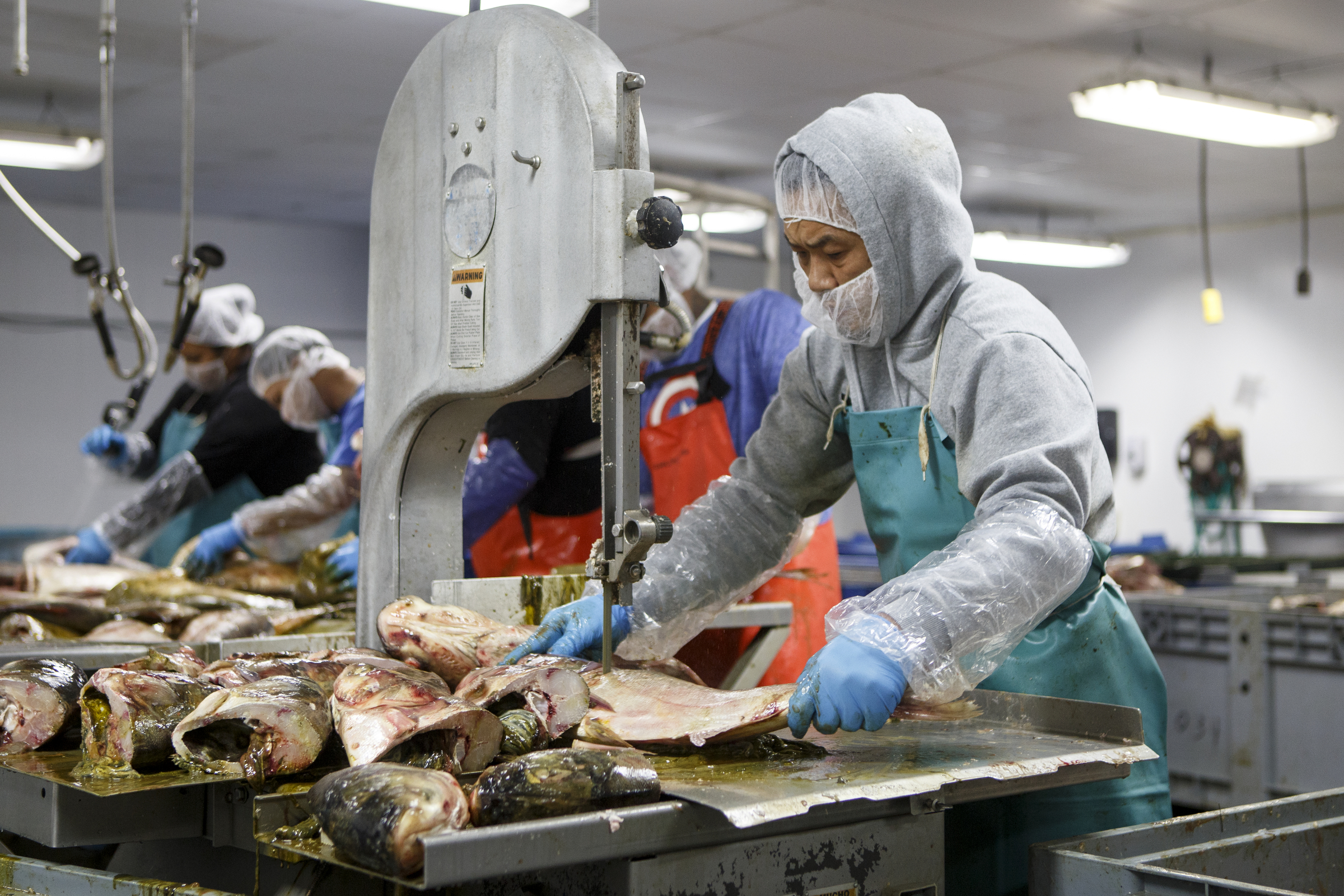
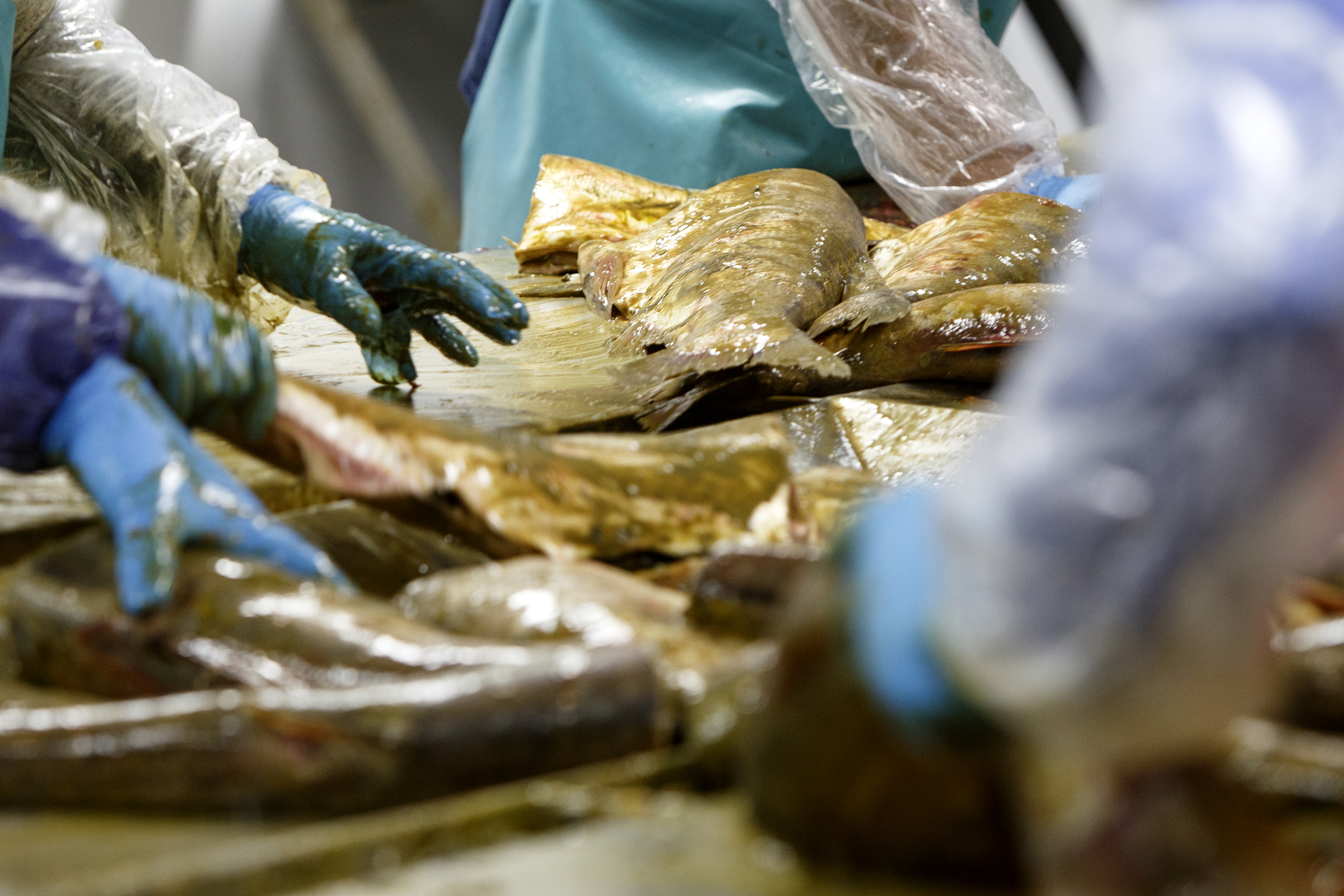
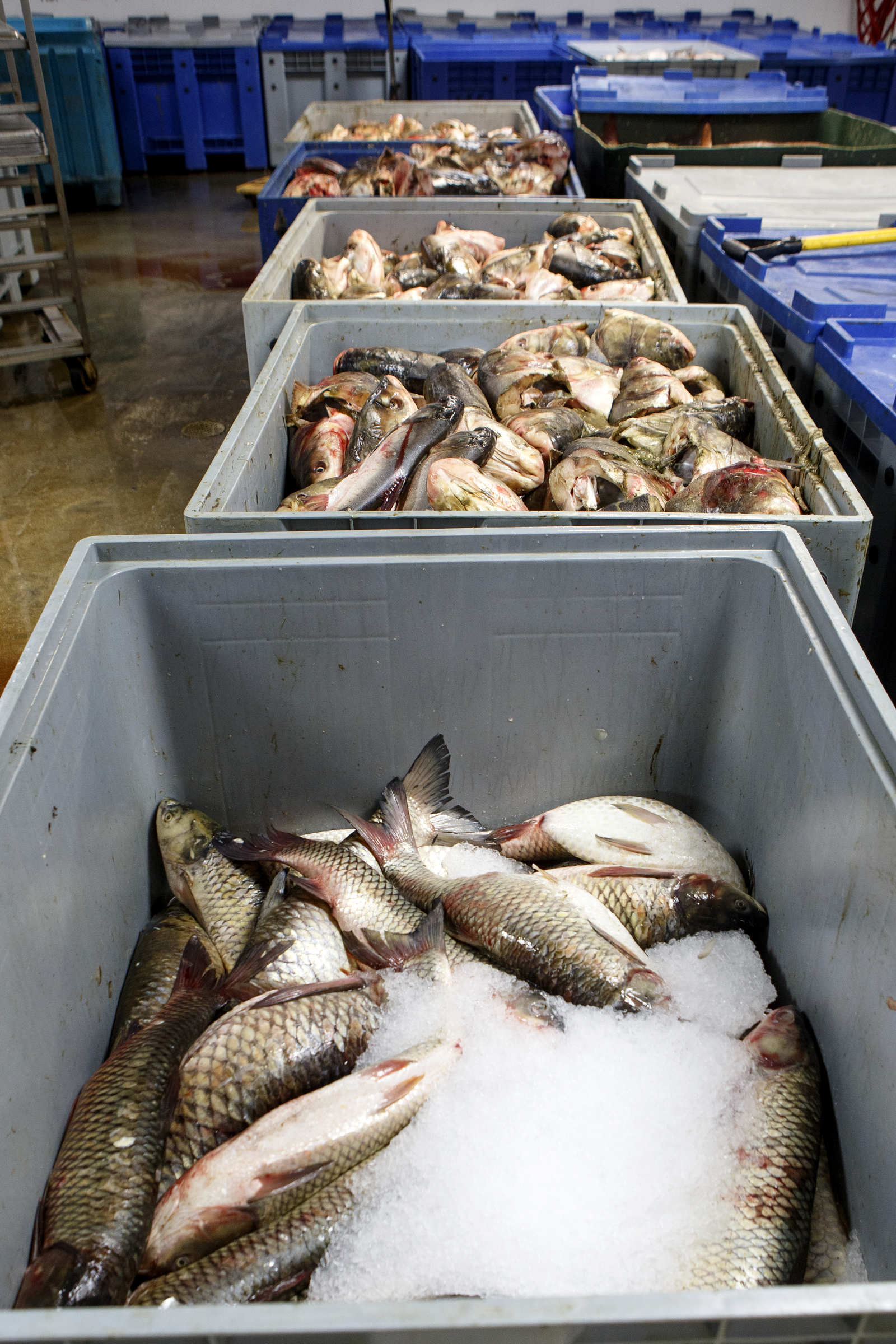
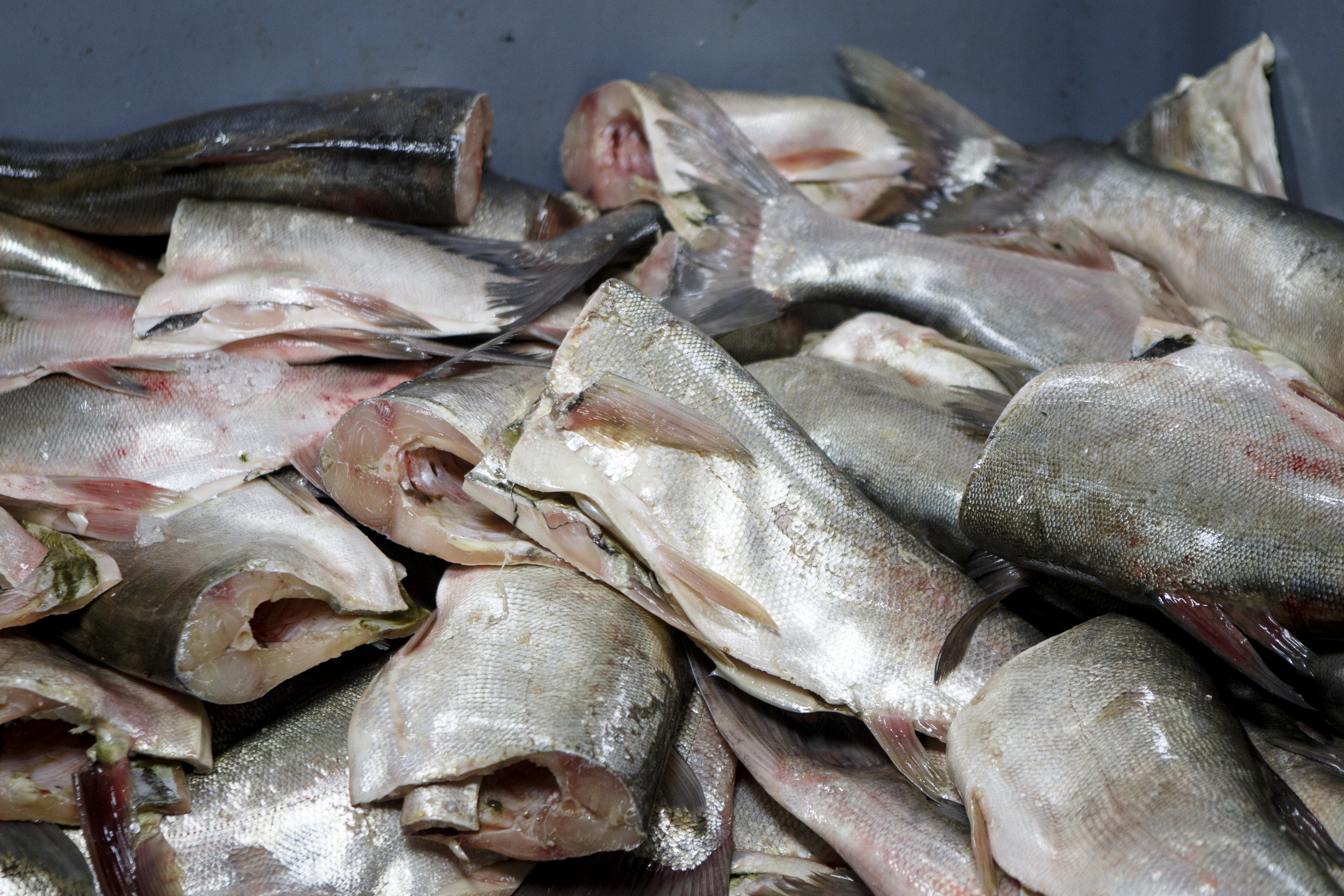
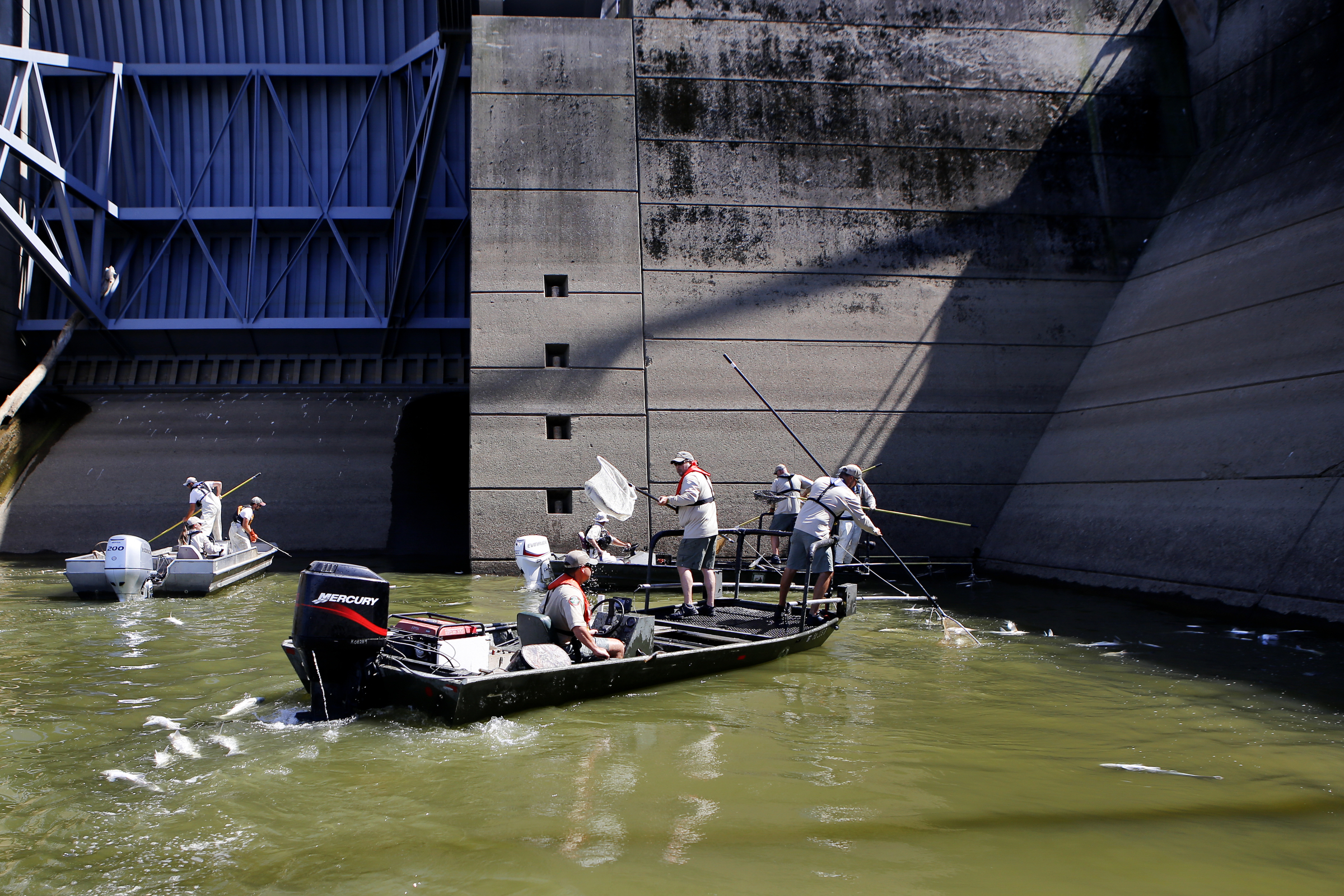
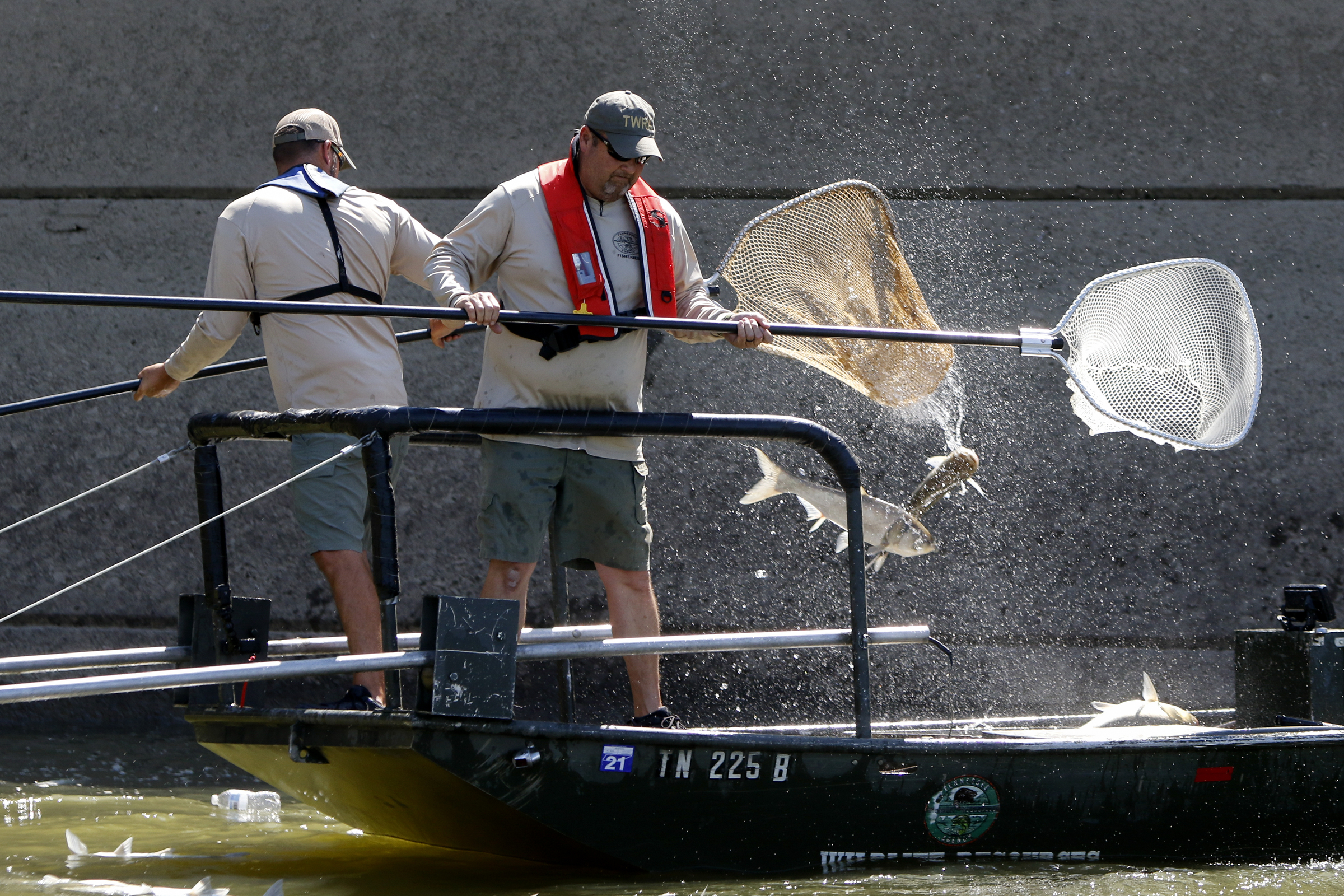
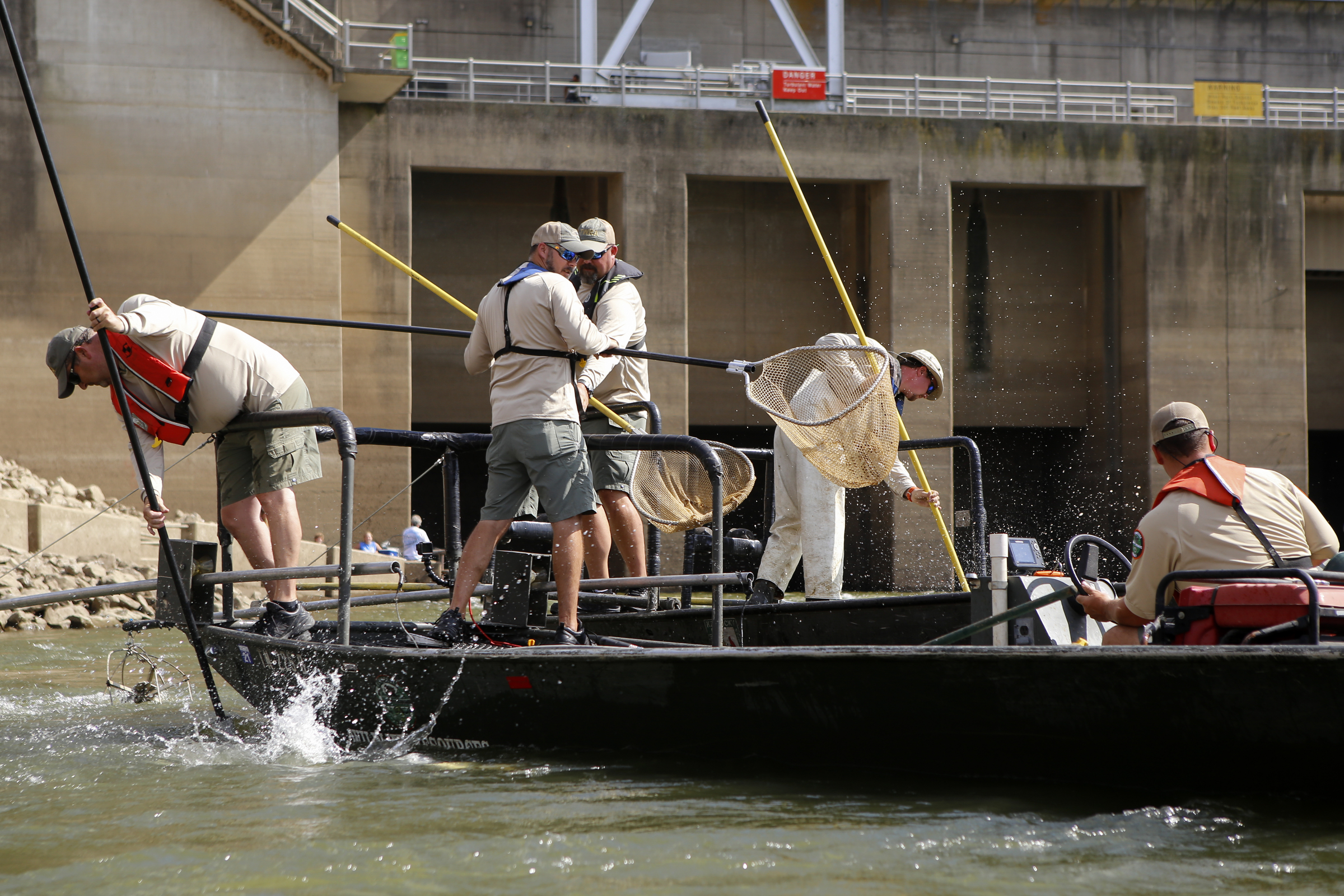
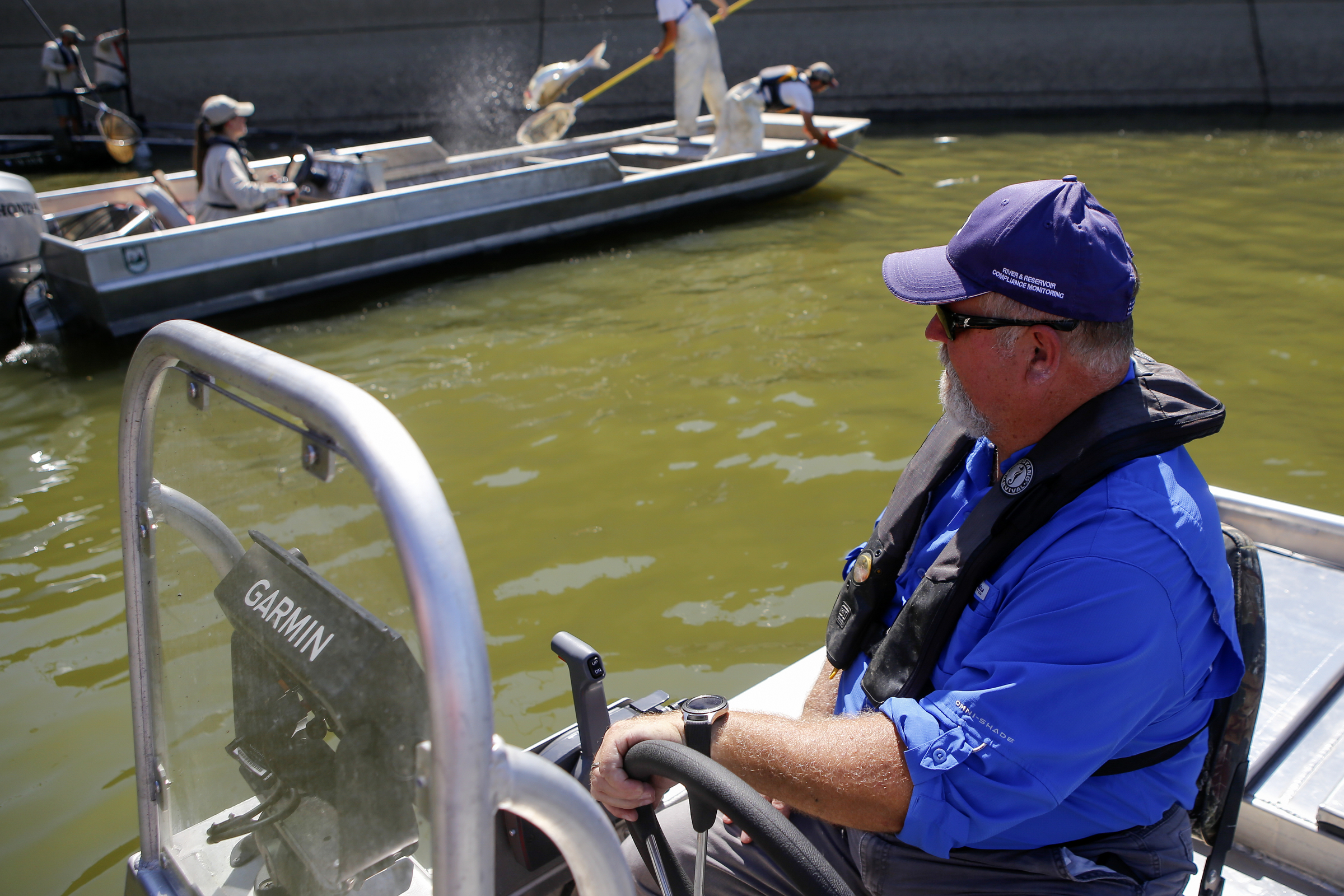
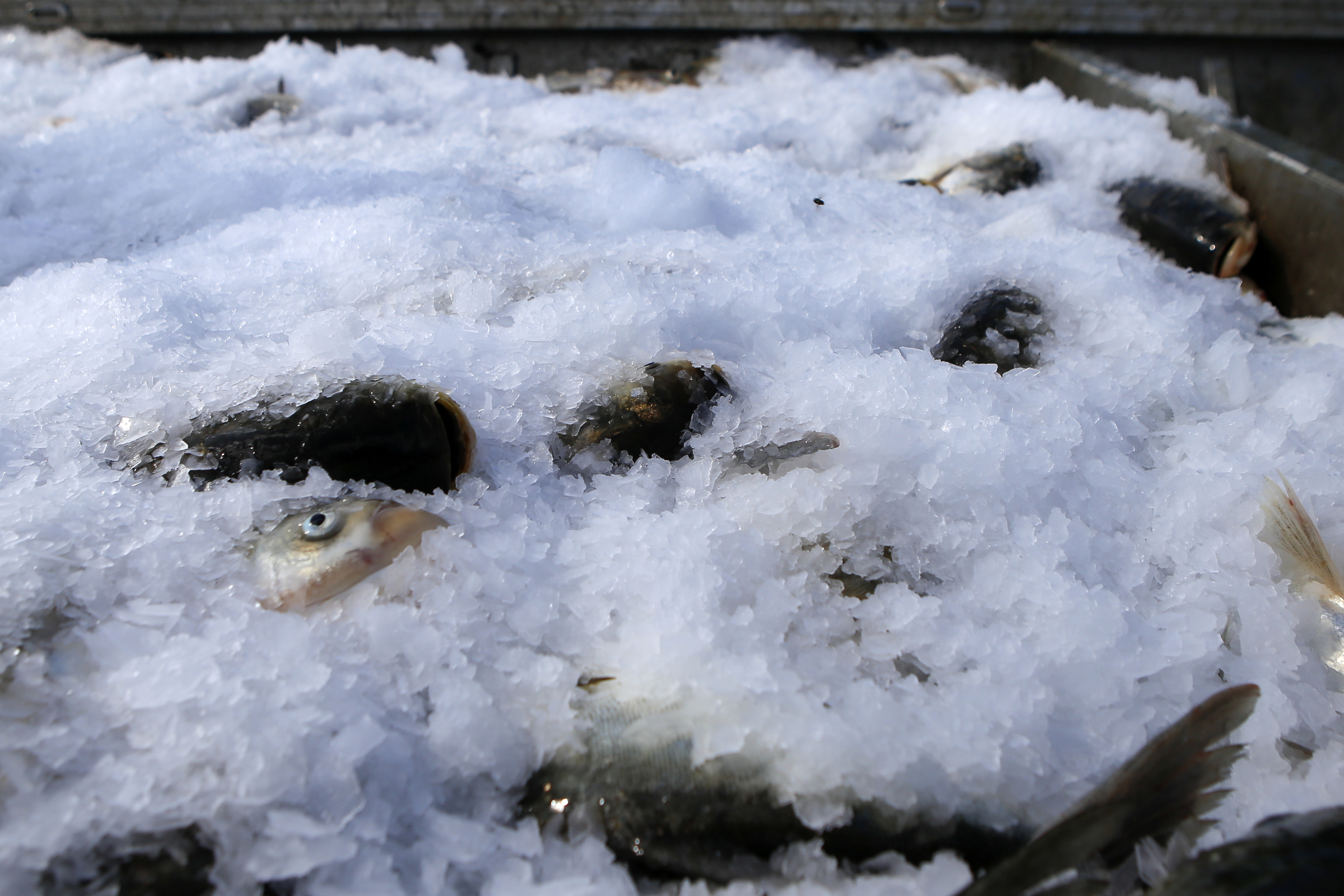
The TWRA is also subsidizing commercial harvest on Kentucky and Barkley lakes to reduce numbers of carp because of ongoing problems for several years. More than 3 million pounds of fish have been removed as a result. Similar efforts by the state of Kentucky have removed even more carp from the same lakes.
The TWRA’s Chief of Fisheries Frank Fiss said, “migration of carp from the Mississippi via the Ohio River is the primary source of Asian carp in the Tennessee’s reservoirs.”
He said “successful reproduction of carp has been rare in these impounded reservoirs and their tributaries, making migration the main driver of population growth.”
Fiss said barriers “are also needed in the upper Tennessee River to prevent additional carp from arriving.”
Last month, the U.S. Fish and Wildlife Service more than doubled its funding for Asian carp control, taking it from $11 million to $25 million. While additional federal funding isn’t guaranteed, Tennessee will request funds be used to install barrier projects at “strategic locations” throughout the state.
Meanwhile, the TWRA is urging anglers to report sighting of Asian carp in East Tennessee to ans.twra@tn.gov. They’re asked to include a photo and freeze the fish if possible.
Contact Andy Sher at asher@timesfreepress.com or 615-255-0550. Follow on Twitter @AndySher1.