
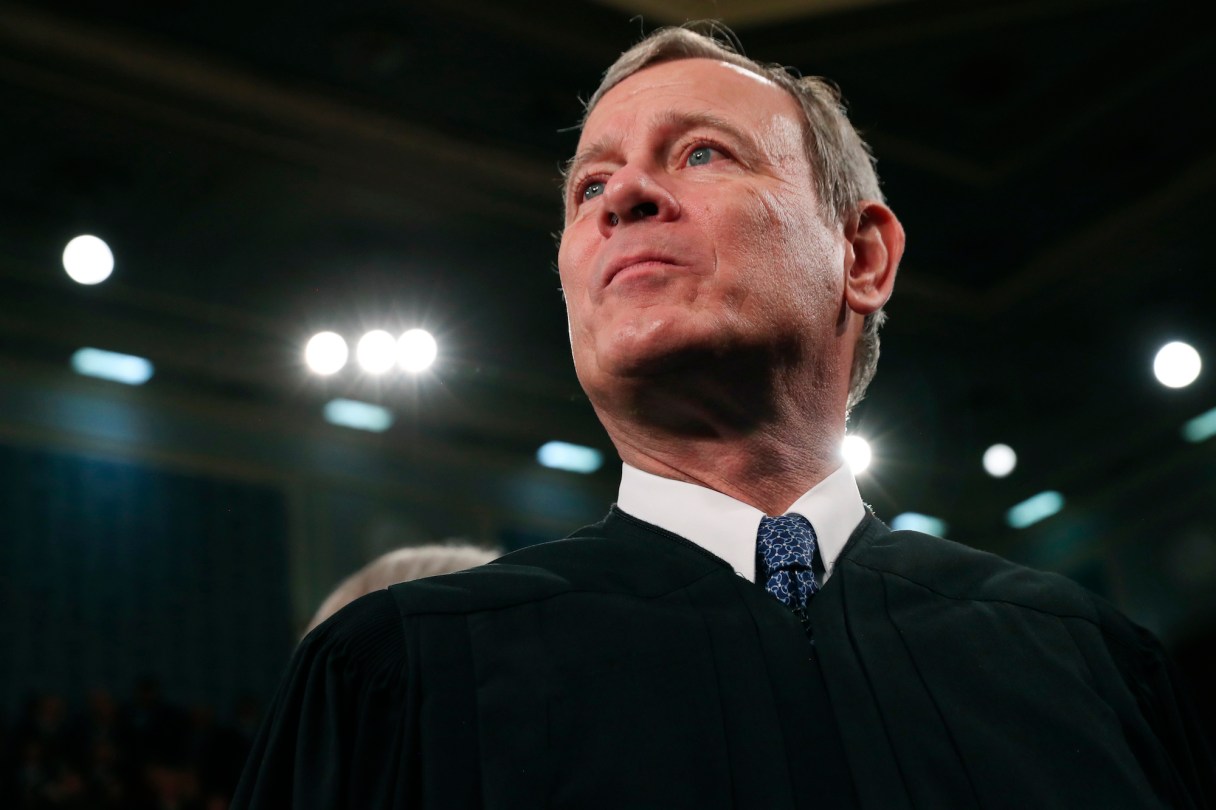
The Supreme Court on Tuesday needlessly poked a hole in Thomas Jefferson’s “wall of separation between church and state.” By a 5-4 vote, the court ruled in a case from Montana that if a state provides a tax break that benefits students at a secular private school, it must include private religious schools as well. The decision is doubly disappointing.
First, the court has told states that they may not decide that they won’t subsidize, even indirectly, the propagation of religion, a choice that is permitted by the First Amendment. States should be free to decline to subsidize religious instruction so long as they treat all religious schools the same.
Second, the way the court broke down on ideological lines is worrisome at a time when debates about the role of religion loom large in America’s culture wars. All five Republican-appointed justices voted in the majority in this case; all four Democratic appointees dissented.
Tuesday’s decision involved a state program under which taxpayers received a modest tax credit for contributions to establish scholarships for children attending private schools.
After the Legislature authorized the program, Montana officials decided that its use to endow scholarships for religious schools violated a provision of Montana’s state constitution that prohibits “any direct or indirect appropriation or payment from any public fund or monies” to any school that is “controlled in whole or in part by any church, sect, or denomination.”