
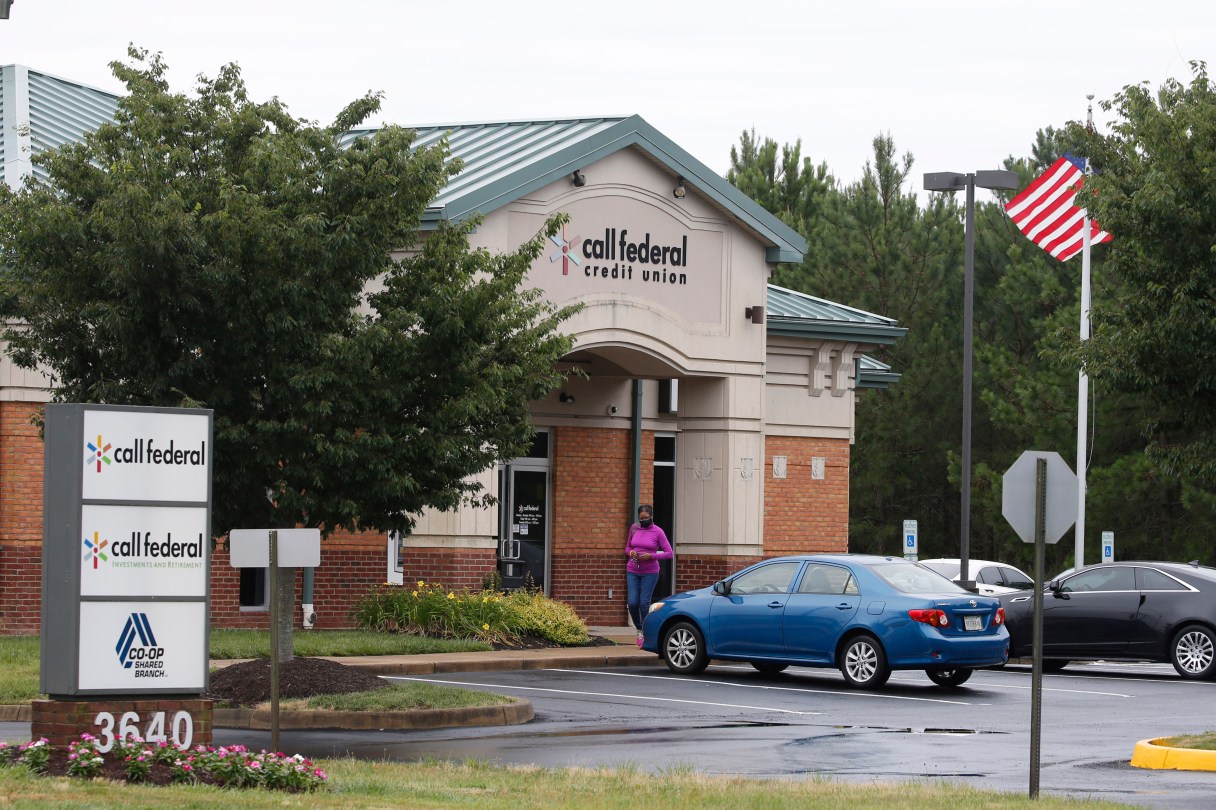
RICHMOND, Va. (AP) – It was a terrifying bank robbery: Demanding cash in a handwritten note, a man waved a gun, threatened to kill a teller’s family, ordered employees and customers onto the floor and escaped with $195,000.
Surveillance video gave authorities a lead, showing a man holding a cellphone outside the Call Federal Credit Union in Midlothian, Virginia, on May 20, 2019. So like a growing number of law enforcement agencies, they got a court-approved “geofence” search warrant, seeking the location history of any devices in the area at the time.
Google is served with the vast majority of these warrants because it stores information from millions of devices in a massive database known as Sensorvault. If your Android phone or iPhone has Location History enabled, this is where your data is tracked and stored.
A Google spokesman declined to say how many geofence warrants the company has received, but Google’s legal brief in the bank robbery says requests jumped 1,500% from 2017 to 2018, and another 500% last year.
Police credit these warrants with helping identify suspects in a fatal shooting in North Carolina, home invasions in Minnesota and a murder in Georgia, among other crimes. Defense attorneys say they unconstitutionally ensnare innocent people and violate the privacy of anyone whose cellphone happens to be in the vicinity.