
Monday, November 16, 2026Nov 16

London animation studio adapts to finish Disney film

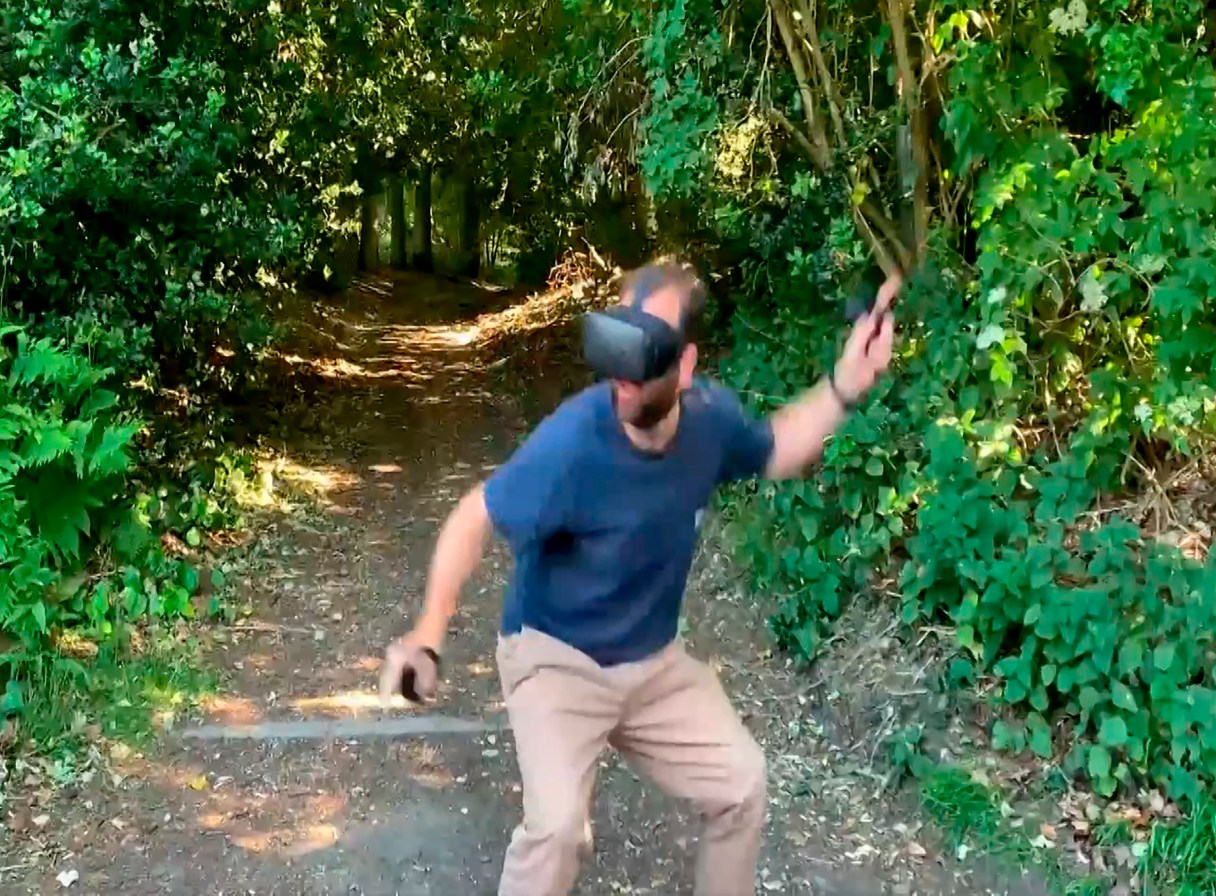
This July 2020 photo taken from video released by Locksmith Animation shows Locksmith Art Director Justin Hutchinson-Chatburn during the filming of a video diary. The London animation studio Locksmith had been in production on "Ron's Gone Wrong" for more than two years before the pandemic hit. Suddenly, animators found themselves on lockdown wrestling with glitchy technology. Hutchinson-Chatburn said it's remarkable that animation is "thriving and surviving" during the pandemic, but he's hoping to gather with work colleagues in person soon. (Locksmith Animation via AP)

LONDON (AP) – Hanging under blankets for audio soundproofing and working around patchy home Wi-Fi, a London animation studio is following the British motto of “keep calm and carry on” during the coronavirus pandemic to complete its first feature film in time for Disney’s planned release early next year.

Some 270 crew members have been working from home on “Ron’s Gone Wrong” in a re-imagined production process that Locksmith co-founder Sarah Smith calls a logistical “nightmare.”

“It’s exciting and complex and fun and incredibly challenging,” said Smith, a writer and producer of the film. “And once you’ve done it once, nothing else seems even vaguely interesting because it’s like the hardest thing you’ve ever done.”

Most of the crew is remotely connecting to their office workspaces for digital modeling, rigging, animation and lighting. Editors then assemble the remote work, in some cases with temporarily out-of-sync audio.

“Looking at the stuff in edit was the hardest thing because it was out of sync and with your brain trying to figure out the fine timing of an edit, which in animation is super precise,” Smith said.