
At the beginning of World War II, my mother’s neighbor purchased all the peanut butter in town right before rationing was to begin. Of course, she had every right to do so, but her actions violated the common welfare. She lacked civic virtue, which places the good of the community above individual rights.
Many of America’s Founders were strongly attached to the ideology of republicanism, which embodies the importance of elective office and the sovereignty of the people. As one scholar observed, “It rejected a narrow, selfish individualism and stressed devotion to the common welfare.” In effect, civic virtue would prevent the new nation from falling into the corruption and greed that had befallen governments in Ancient Greece and Rome. In the present day, we see these qualities of virtue manifested daily in volunteer organizations or tutoring at a school.
At various demonstrations across our nation, protesters have attacked lockdowns, mask-wearing and social distancing. They utilized their First Amendment rights to assemble and to speak. Good enough. By neither wearing masks nor employing social distancing, however, they ignored civic virtue. Their “freedom” collided with a consideration of other people who might become sick as a result of their negligence, not to mention the additional strain placed on health care workers.
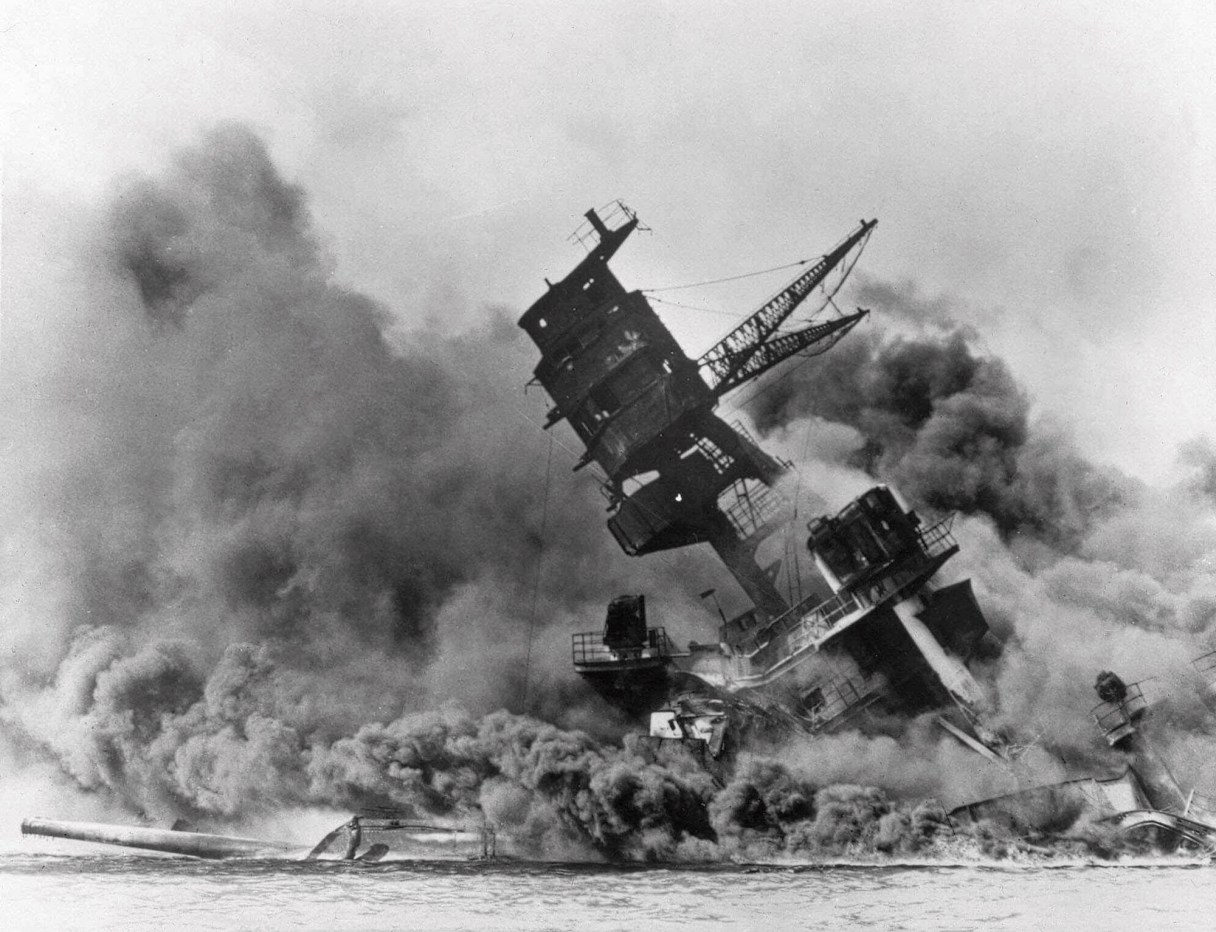
Whereas my parents’ neighbor decided to only consider her needs, during the war countless men and women sacrificed for the good of the country. For instance, my mother had the responsibility for three young children, along with her duties and responsibilities as a lieutenant commander’s wife. My father, Barclay Jefferis “Woody” Woodward III, graduated Annapolis, and my mother, Barbara Vaughan Woodward Garside, became a proud Navy wife. During WWII, he was assigned to the USS Trinity, which was stationed in the Philippines when the Japanese attacked Pearl Harbor in December 1941.
In a series of letters, my mother described her life on the home front with three young children. The owner of one apartment told my mother that she could not live there anymore because she could not find enough oil to heat the apartment. In 1942, my father underwent a sympathectomy for his high blood pressure, and was eventually assigned to Washington, D.C. Listen to her telling of it: “While we were living in Virginia, Woody was hospitalized at Bethesda Naval Hospital and stayed for over a month. He managed to get scarlet fever, which was soon passed on to Susie and Sara (my two older sisters). Jeff (my brother) got croup and conjunctivitis, which spread from one to the other and back again. Sara suffered from chronic ear infections and Susie got the measles . Meanwhile I developed a low-grade lung infection and ran a fever every afternoon.”