
When Berto Aguayo heard that Chicago protests started turning violent over the weekend, he called a few dozen people to meet in front of a colorful mural in a South Side neighborhood.
“Number one, we are here to peacefully protect small businesses,” Aguayo – co-founder of Increase the Peace, a community organizing group in the city – told the small crowd. He said the the businesses were locally owned, and residents relied on them: “That is it. If somebody is trying to loot, don’t greet them with hostility. Ask them if they want water, a, snack, engage in dialogue. If that doesn’t work, don’t put your life at risk.”
There was no formal training, just a pep talk and a short prayer. Then the group took its place in front of one street’s storefronts, many of them immigrant-owned: mom-and-pop grocery stores, restaurants and a homeless youth shelter.
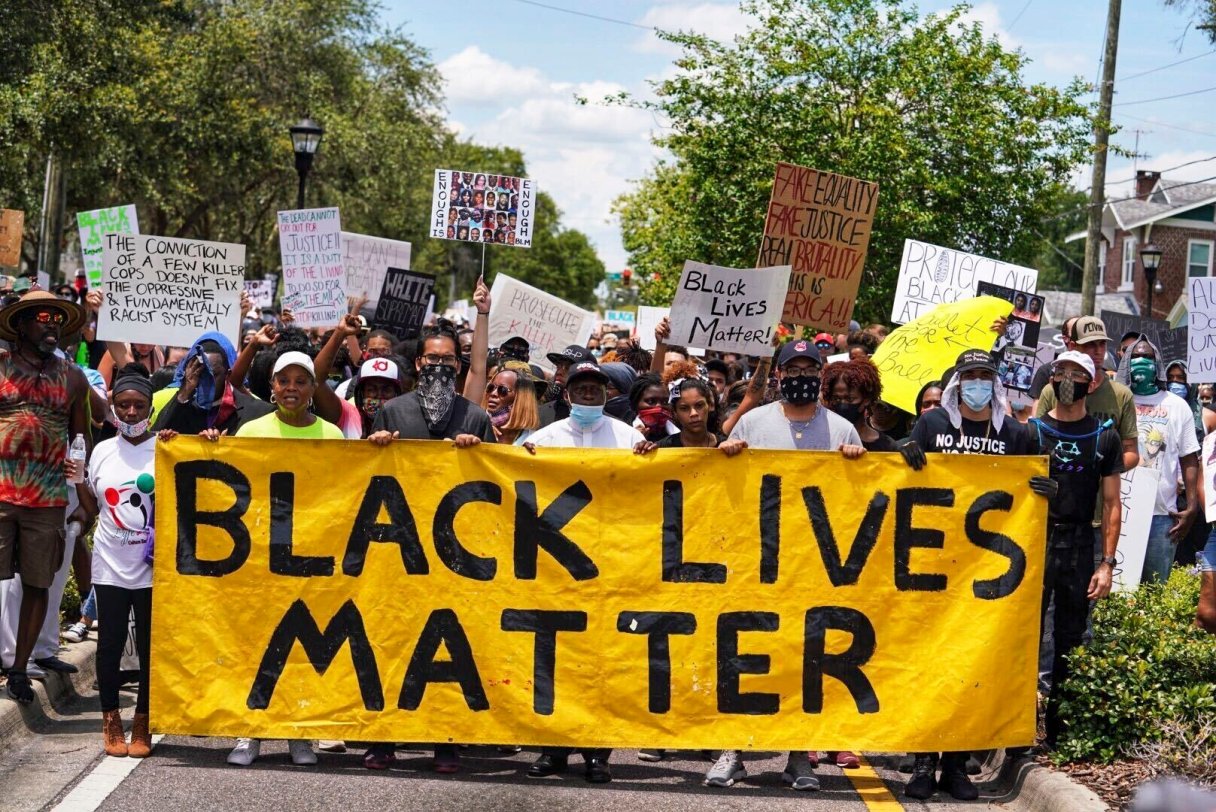
Aguayo, a former gang member and activist for many Chicago issues, said the group was successful in helping to maintain calm that day. It’s part of several efforts around the country that aim to quell tension – and therefore potential violence – at protests, while encouraging folks to march and speak their minds about the deaths of George Floyd, Breonna Taylor, Ahmaud Arbery and other African Americans. With daily protests around the United States in dozens of cities – some stretching for a week and showing no sign of slowing – organizers say it’s essential to de-escalate any conflict and to avoid theft, vandalism and clashes with police.
Some groups, such as Black Lives Matter, have years of experience protesting and use training and proven strategies: fluorescent vests or colored ribbons to designate legal aid, volunteer medical help or peacekeepers who can try to diffuse spats on the spot. Other people are creating more informal networks as protests pop up in new corners of their cities and states daily, with many attendees who’ve never protested before.