
Police cars burned in the streets of Atlanta as protesters smashed windows and spray-painted graffiti outside CNN headquarters. Even during the national outcry over police brutality and racial injustice, Chassidy Evans struggled to understand why her hometown, with its legacy of peaceful resistance, had erupted in chaos.
Then her uncle, Rayshard Brooks, was shot in the back by a white Atlanta police officer after fighting a drunken driving arrest and trying to run away. The turbulent protests ignited by the May 25 police killing of another Black man, George Floyd in Minneapolis, had barely simmered down when Brooks was killed last week.
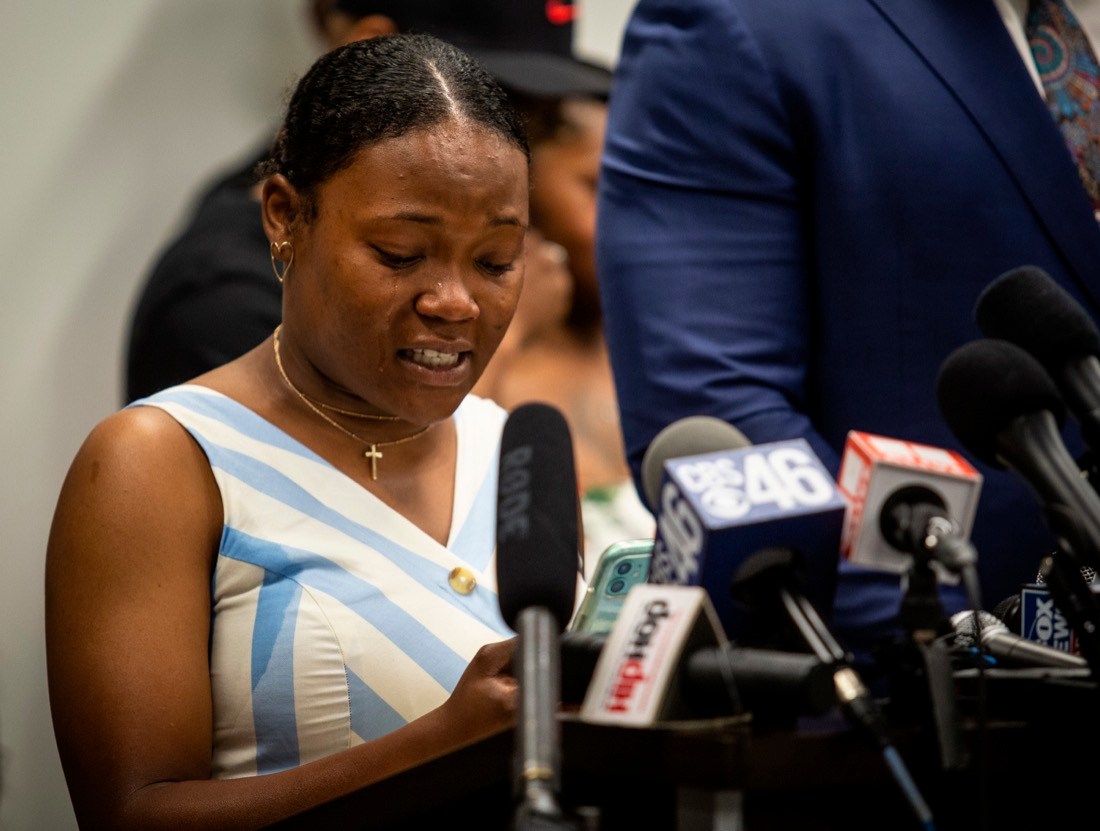
“We stood with the Atlanta Police Department when they were just tearing up our city and said this doesn’t happen here,” Evans said of violent protesters. Speaking through tears at a news conference this week, she added, “It makes you eat your words.”
Brooks’ killing so soon after the fiery demonstrations and Floyd’s death under the knee of a white Minneapolis officer have cast a harsh spotlight on the cracks in Atlanta’s reputation for racial harmony and Black prosperity. Brooks’ death rekindled upheaval in the streets, though it wasn’t as destructive.
Touting itself for decades as “the city too busy to hate,” Atlanta has had an unbroken succession of Black mayors since 1973. African Americans own more than 176,000 businesses in metro Atlanta, according to the Census Bureau, more than any U.S. metropolitan area outside New York. After hiring its first Black officers in 1948, the Atlanta Police Department is now 60% Black, higher even than the city’s Black population of 52%.