

Susan Zurenda, an award winning author of short stories, recently released her first novel, “Bells for Eli,” and will speak locally tonight during the SouthBound Lecture Series hosted by Southern Lit Alliance.
The coming of age story draws on real life events that touch on the rarely discussed topic of marriage between cousins, and Zurenda will speak on the “cousin culture” of the South as it relates to her novel.
Set in a small South Carolina town in the ’60s and ’70s, “Bells for Eli” was inspired by an accident that happened to Zurenda’s real life cousin. Like the character Eli in her novel, Zurenda’s cousin drank lye that had been poured into a soda bottle as a toddler. Also like Eli, her cousin survived the accident but endured a lot of bullying because of the frailty and disfigurement caused by the accident.
Both her cousin and Eli appear outwardly normal by the time they are teenagers, but they continue to hold on to the inner scars they acquired in childhood, eventually leading them both to circumstances in which a second accident occurs in adulthood.
“I wanted to look at how something that happens to a person at a very young age can basically change that person’s destiny,” Zurenda said.
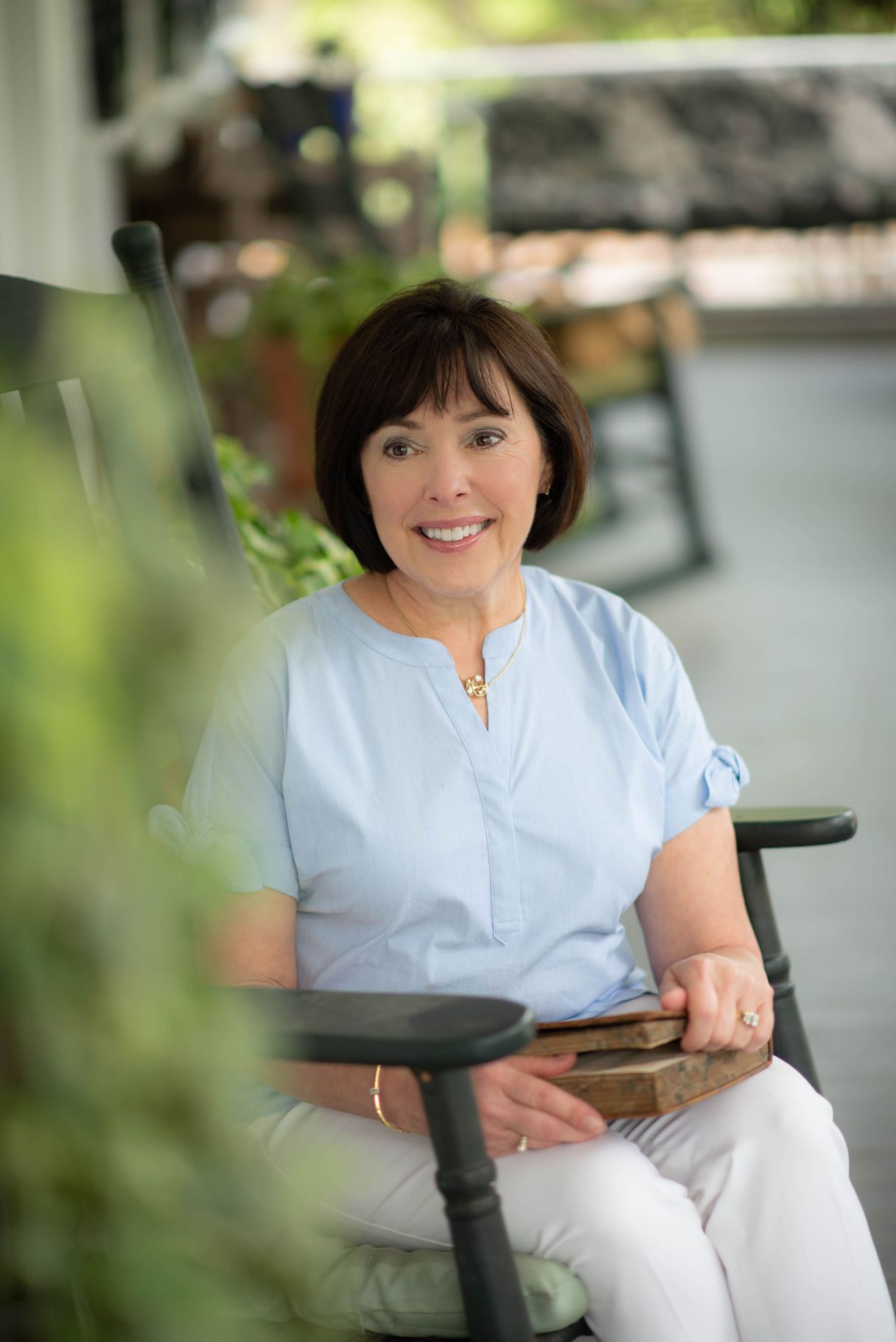
 Contributed photo by Anna Beckham / “Bells for Eli” author Susan Zurenda is speaking at The Arts Building Monday, March 2 at 7 p.m. as part of the Southern Lit Alliance SouthBound Lecture Series.
Zurenda has her own counterpart in the novel, Delia, and while she said she was close to her cousin whose accident inspired the story, the comparisons between her and Delia end there.
Delia lives across the street from Eli, and they build a strong bond in childhood as she serves as his protector from bullies. They grow even closer as they get older, eventually developing romantic feelings for each other.
“As the story continued to develop, they were too bonded for that not to happen,” Zurenda said of the cousins’ taboo romance.
South Carolina is among the 19 states where marriage between first cousins is legal. Also in that group are Tennessee, Georgia, Alabama and North Carolina, though the latter prohibits marriage between double first cousins.
Zurenda has traced her Southern ancestry back to the 1700s and discovered a marriage in her lineage between first cousins, but suspects there were probably others.
“It was encouraged in the South for a lot of reasons,” she said of marriage between cousins, which kept wealth and property, including slaves, in the family. There also were not many other people for early settlers to choose from.
Before the Civil War, 12% of marriages in the U.S. were between first cousins, she said.
Zurenda’s talk will be held in The Arts Building at 7 p.m., and tickets are $10. Prior to the lecture, she will lead a writing workshop in the same location on “Family Stories: Evoking Emotion in Your Characters” from 5-6:30 p.m.
The Arts Building is at 301 E. 11th St., Suite 301. For more information, visit southernlitalliance.org/writing-workshop-with-susan or susanzurenda.com.