
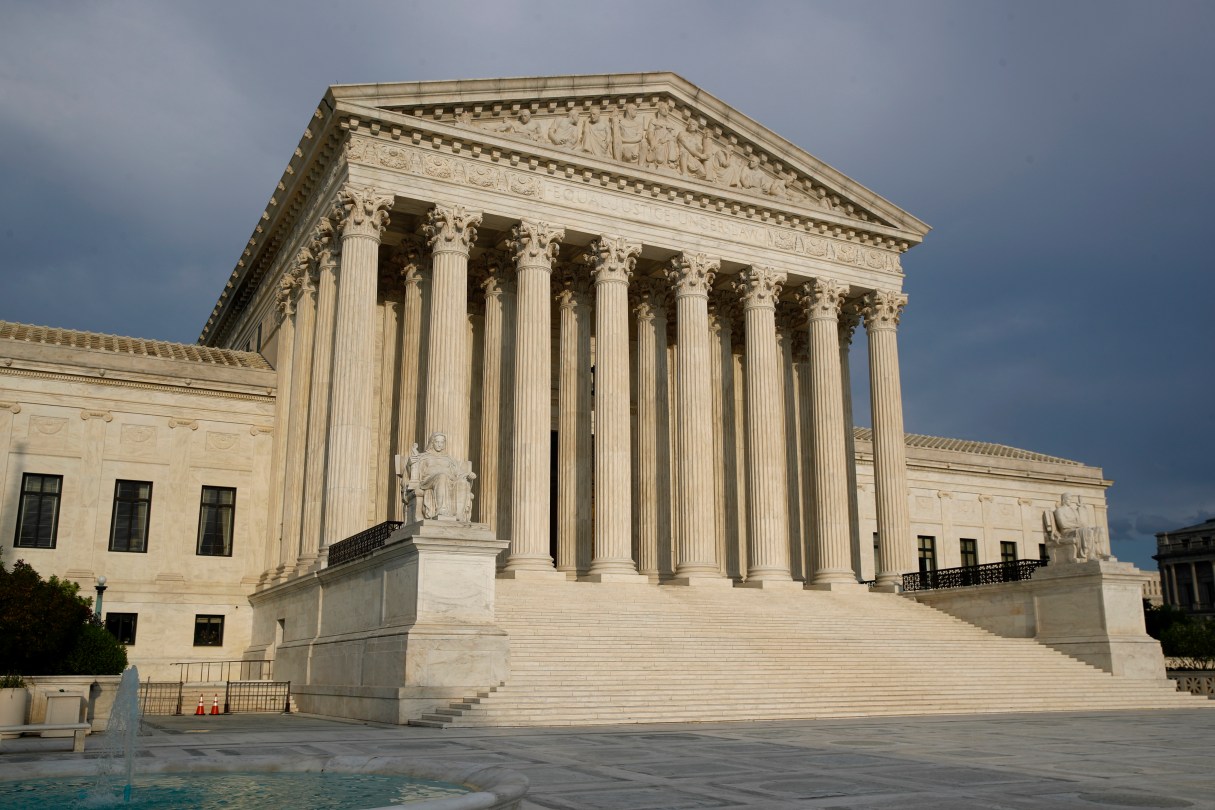
WASHINGTON (AP) – With coronavirus cases surging again nationwide, the Supreme Court barred New York from enforcing certain limits on attendance at churches and synagogues in areas designated as hard hit by the virus.
The justices split 5-4 late Wednesday night, with new Justice Amy Coney Barrett in the majority. It was the conservative’s first publicly discernible vote as a justice. The court’s three liberal justices and Chief Justice John Roberts dissented.
The move was a shift for the court. Earlier this year, when Barrett’s liberal predecessor, Justice Ruth Bader Ginsburg, was still on the court, the justices divided 5-4 to leave in place pandemic-related capacity restrictions affecting churches in California and Nevada.
The court’s action Wednesday could push New York to reevaluate its restrictions on houses of worship in areas designated virus hot spots. But the impact is also muted because the Catholic and Orthodox Jewish groups that sued to challenge the restrictions are no longer subject to them.
New York Gov. Andrew Cuomo, a Democrat, said Thursday the ruling was “more illustrative of the Supreme Court than anything else” and “irrelevant from any practical impact” given that the restrictions have already been removed.