
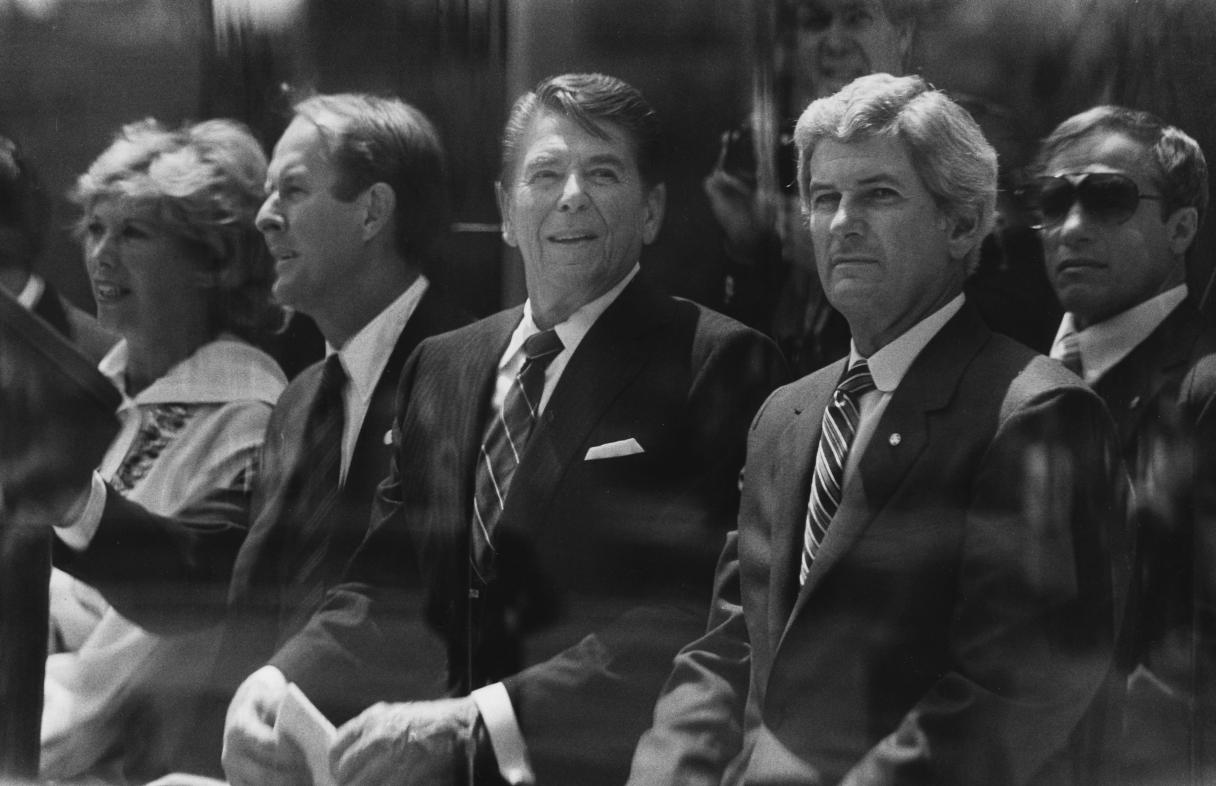
NASHVILLE – As governor in the 1970s and 1980s, he helped birth Tennessee’s now-flourishing automotive manufacturing sector while also putting public education on the nation’s front burner.
And as U.S. senator in the 2000s, he’s been a primary force behind new laws and efforts that include restoring to states responsibility for creating their own education accountability systems while also accelerating research for medical cures and, most recently, funding an effort to begin addressing decades-old national park maintenance backlogs.
But as Republican Sen. Lamar Alexander prepares to leave office Jan. 3 after 18 years in the Senate, the former U.S. education secretary, University of Tennessee president and two-time presidential candidate known for his willingness to work across the partisan divide to get things done said he’s not the one to judge what his legacy ultimately will be.
“I think others will have to decide that,” said the 80-year-old, three-term senator. “I hope that in general it is that I was a person who left footprints along the way that were good for the state and good for the country. My goals aren’t really political, although you have to be successful in politics to have these jobs. My goals have been to try to get results.”
Still, Alexander, who resists the tag of “moderate” and served two terms as governor from 1979 to 1987 and was first elected to the Senate in 2002, does have his favorites for inclusion, voiced during a wide-ranging Times Free Press interview.