
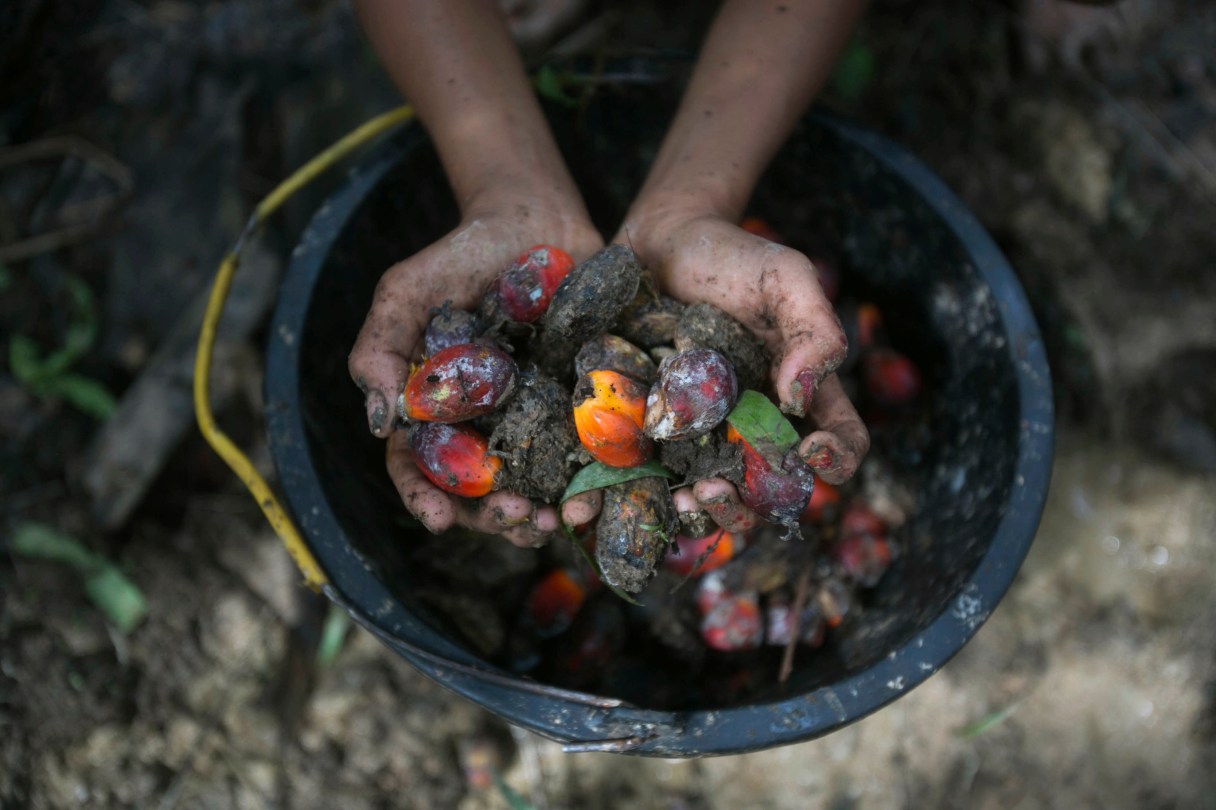
The United States will block shipments of palm oil from a major Malaysian producer that feeds into the supply chains of iconic U.S. food and cosmetic brands. It found indicators of forced labor, including concerns about children, along with other abuses such as physical and sexual violence.
The order against FGV Holdings Berhad, one of Malaysia’s largest palm oil companies and a joint-venture partner with American consumer goods giant Procter & Gamble, went into effect Wednesday, said Brenda Smith, executive assistant commissioner at the U.S. Customs and Border Protection’s Office of Trade. The action, announced a week after The Associated Press exposed major labor abuses in Malaysia’s palm oil industry, was triggered by a petition filed last year by nonprofit organizations.
“We would urge the U.S. importing community again to do their due diligence,” Smith said, adding companies should look at their palm oil supply chains. “We would also encourage U.S. consumers to ask questions about where their products come from.”
Malaysia is the world’s second largest producer of palm oil. Together with Indonesia, the two countries dominate the global market, producing 85 percent of the $65 billion supply.
Palm oil and its derivatives from FGV, and closely connected Malaysian-owned Felda, makes its way into the supply chains of major multinationals. They include Nestle, L’Oreal, and Unilever, according to the companies’ most recently published supplier and palm oil mill lists. Several huge Western banks and financial institutions not only pour money directly or indirectly into the palm oil industry, but they hold shares in FGV.