
WASHINGTON (AP) – With winter looming and confirmed viral cases rising, Bob Szuter’s craft brewery and restaurant in Columbus, Ohio, could use another government lifeline to help survive until spring.
So could many restaurants and bars that buy his beer. Szuter knows of nearly 20 in the region that have folded, with many others “limping along.”
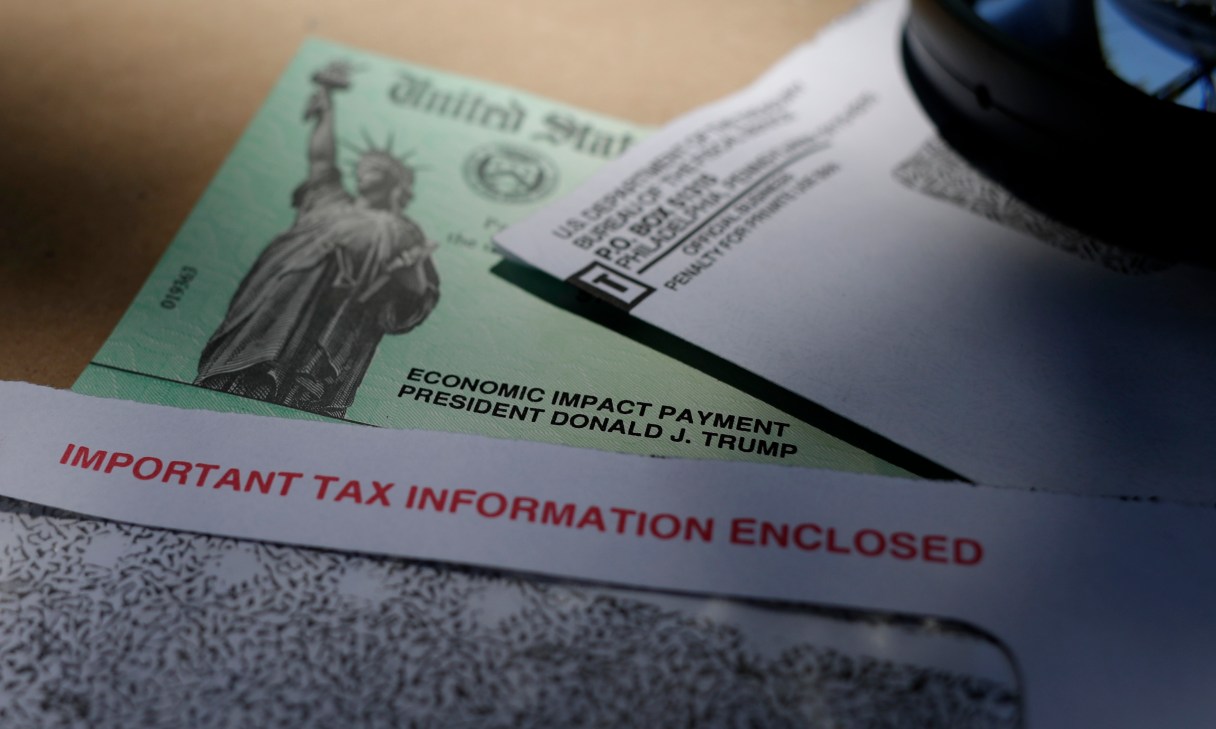
As a small businessman, Szuter benefited from the multi-trillion-dollar stimulus aid that Congress passed in March after the pandemic recession flattened the economy. Countless other business people did, too, along with millions of laid-off workers, struggling states and localities and individual Americans.
All that aid is gone. Yet prospects for more federal stimulus this year appear all but dead, clouding the future for the unemployed, for small businesses like Szuter’s and for the economy as a whole.
Now, with confirmed COVID cases surging across the United States, so is the risk that the economy could weaken again as more people choose to hunker down at home – and that even more stimulus might be needed next year than negotiators in Washington are contemplating. Johns Hopkins University data shows that more than 83,000 infections were reported both Friday and Saturday – well above the previous record high. The University of Washington’s Institute for Health Metrics and Evaluation forecasts that the U.S. death toll, now roughly 225,000, could top 318,000 by Jan. 1.