
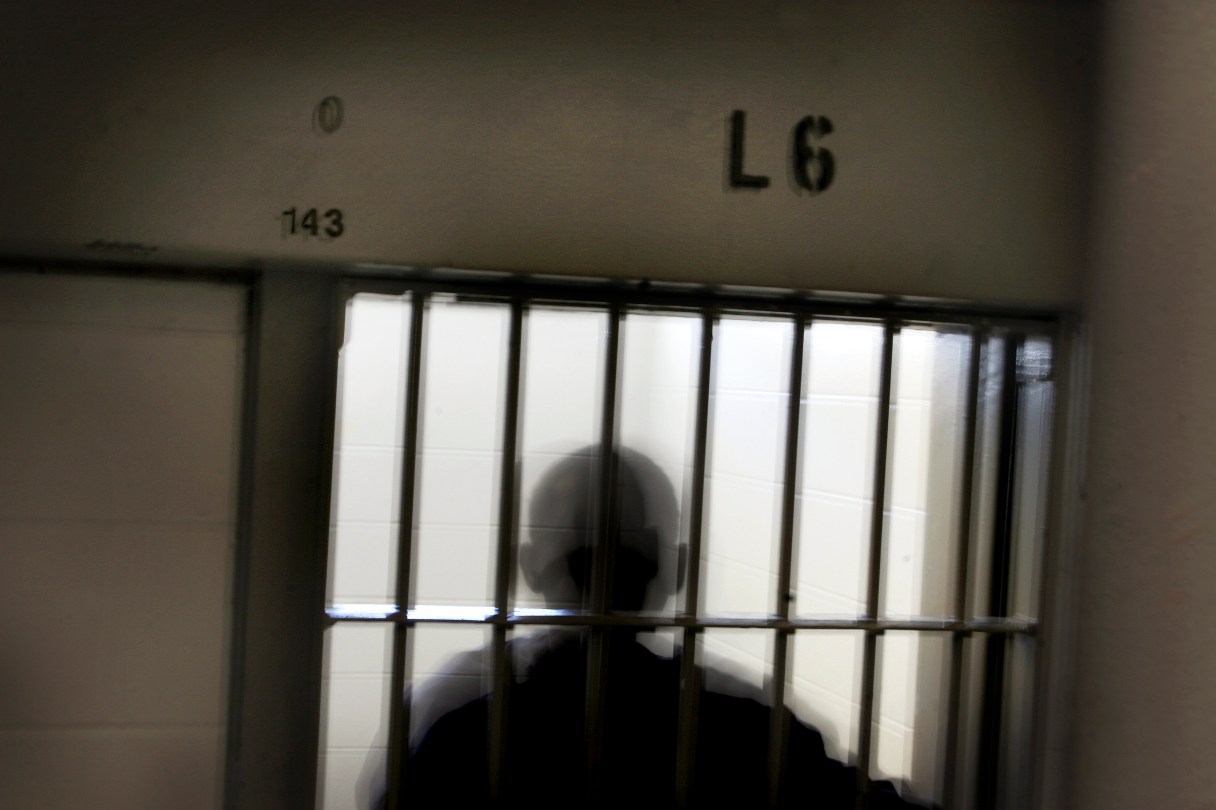
Nearly one in 10 Tennesseans can not vote in this election due to a felony conviction. That’s just one of the sobering findings of a new report from my organization, The Sentencing Project.
Unfortunately, the Volunteer State isn’t showing any signs of reversing its disenfranchisement policies. While the number of disenfranchised people declined nationally from 2016 to 2020, Tennessee stripped voting rights away from thousands more people. And in late August, Gov. Bill Lee signed a law that would allow protesters who camp out on state property to be charged with a felony, which would automatically deprive them of their voting rights if convicted. People shouldn’t lose their right to vote for exercising their right to protest.
It is a gross injustice that so many Tennesseans are barred from the ballot box. We’re supposed to live in a democracy. But it’s a far stretch to say Tennessee is democratic when one in 10 people in the state can’t participate.
Felony disenfranchisement policies have pervaded the United States for decades. Maine and Vermont are the only states that never stripped people of their voting rights. Most states deprive people convicted of felonies of their right to vote while they are in prison, on parole, or on probation.
Tennessee has among the strictest rules in the nation. People convicted of certain felonies lose their right to vote permanently. For other felonies, people can only vote if they have completed their sentence, obtained a certificate of voting rights restoration, paid all court-ordered fines and fees, and made all child support payments, if applicable.