
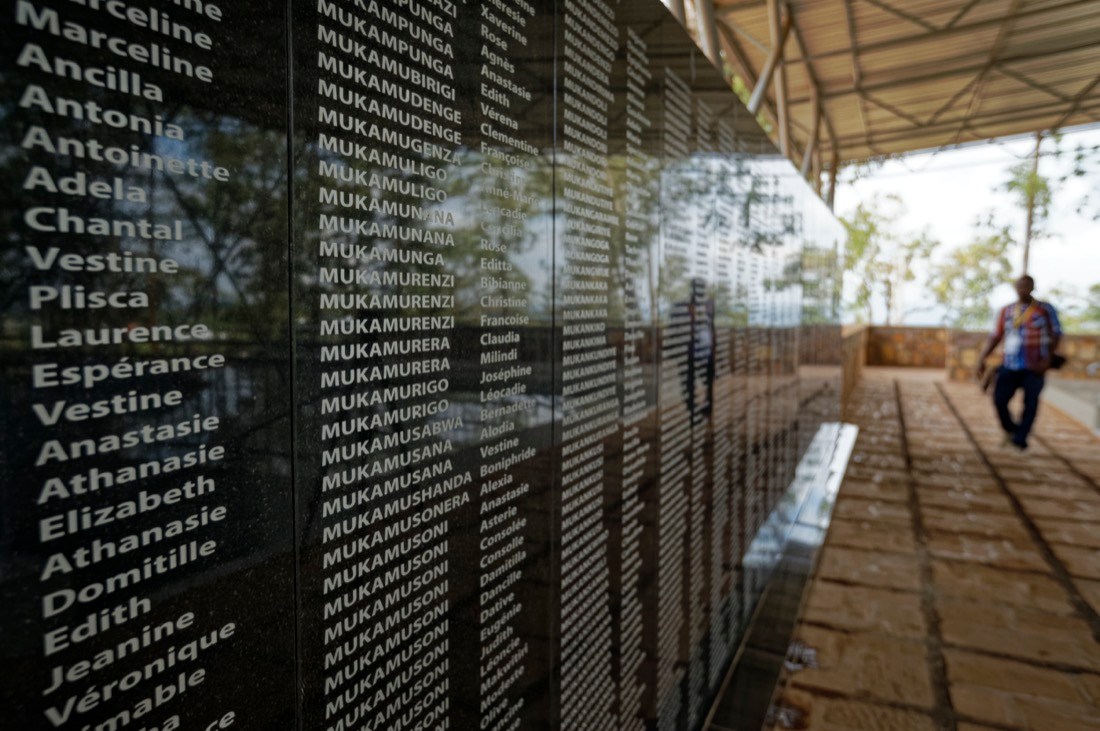
PARIS (AP) – France’s role before and during the 1994 Rwandan genocide was a “monumental failure” that the country must acknowledge, the lead author of a report commissioned by President Emmanuel Macron said, as the country is about to open its archives from this period to the public.
The report, published in March, concluded that French authorities remained blind to the preparations for genocide as they supported the “racist” and “violent” government of then-Rwandan President Juvénal Habyarimana and then reacted too slowly in appreciating the extent of the killings. But it cleared them of complicity in the slaughter that left over 800,000 people dead, mainly ethnic Tutsis and the Hutus who tried to protect them.
Macron’s decision to commission the report – and open the archives to the public – are part of his efforts to more fully confront the French role in the genocide and to improve relations with Rwanda, including making April 7, the day the massacre began, a day of commemoration. While long overdue, the moves may finally help the two countries reconcile.
Historian Vincent Duclert, who led the commission that studied France’s actions in Rwanda between 1990 and 1994, told The Associated Press that “for 30 years, the debate on Rwanda was full of lies, violence, manipulations, threats of trials. That was a suffocating atmosphere.”
Duclert said it was important to acknowledge France’s role for what it was: a “monumental failure.”