
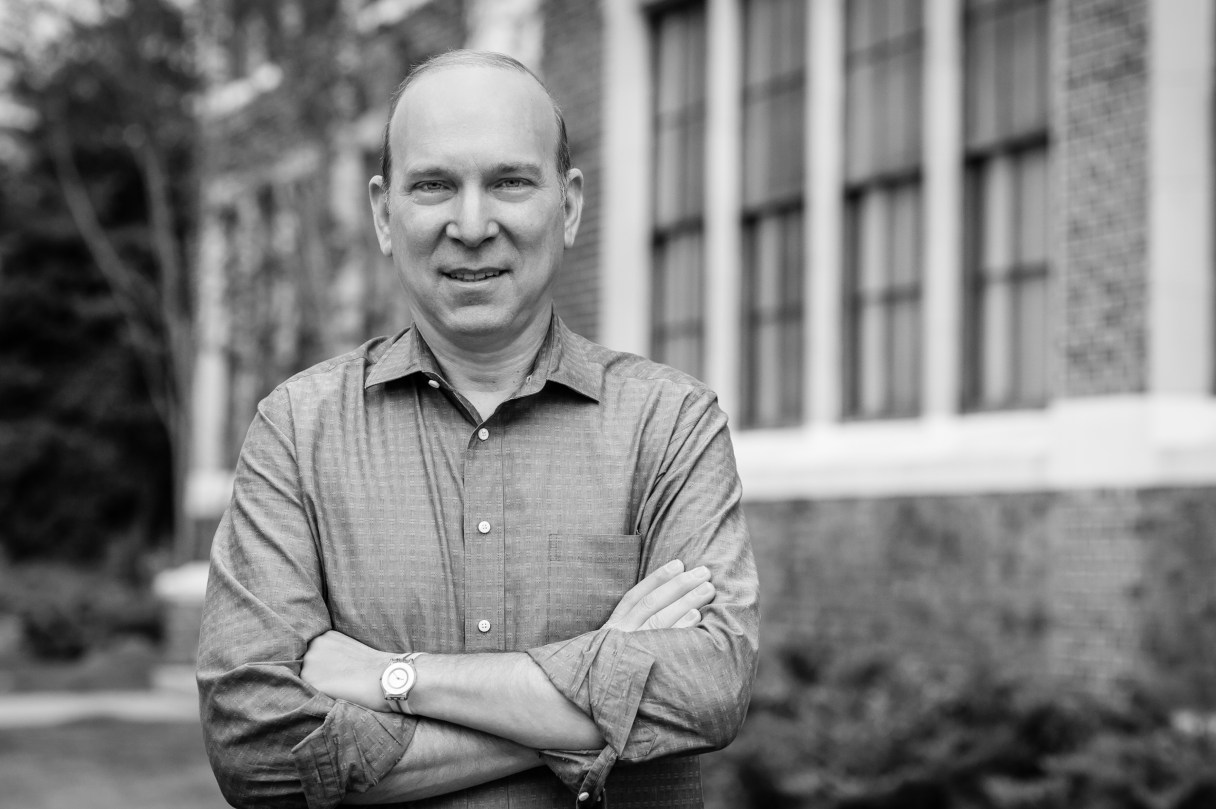
“A BETTER LIFE FOR THEIR CHILDREN: JULIUS ROSENWALD, BOOKER T. WASHINGTON AND THE 4,978 SCHOOLS THAT CHANGED AMERICA” by Andrew Feiler (University of Georgia Press, 136 pages, $35).
While researching his book, “A Better Life for Their Children: Julius Rosenwald, Booker T. Washington and the 4,978 Schools That Changed America,” Georgia-based photographer Andrew Feiler traveled 25,000 miles across 15 states to explore the remnants of Rosenwald Schools, one of the most successful efforts to educate Black children during segregation.
The schools were the result of a collaboration between Booker T. Washington, a former slave who founded Tuskegee University, and philanthropist Julius Rosenwald, an executive with Sears, Roebuck and Company. They aimed to build schools for Black communities whose access to educational resources was severely limited in the Jim Crow South. The partnership led to the construction of nearly 5,000 Rosenwald Schools between 1917 and 1937 that served hundreds of thousands of Black children for decades.
One of those children was the civil-rights leader and Georgia Rep. John Lewis, who attended a Rosenwald School in a small, whitewashed church building in Pike County, Alabama. Lewis’ school lacked running water and was heated by a single potbellied stove. Books and supplies were often secondhand.
“I was hungry to learn. I was absolutely committed to giving my all in the classroom,” Lewis, who died in 2020, writes in the book’s foreword. “My parents would describe education in almost mythical terms, that it offered the keys to the kingdom of America, that it offered the keys to a better life and to the opportunity so long denied our race.”