
Saturday, November 14, 2026Nov 14

Study finds people want more than watchdogs for journalists

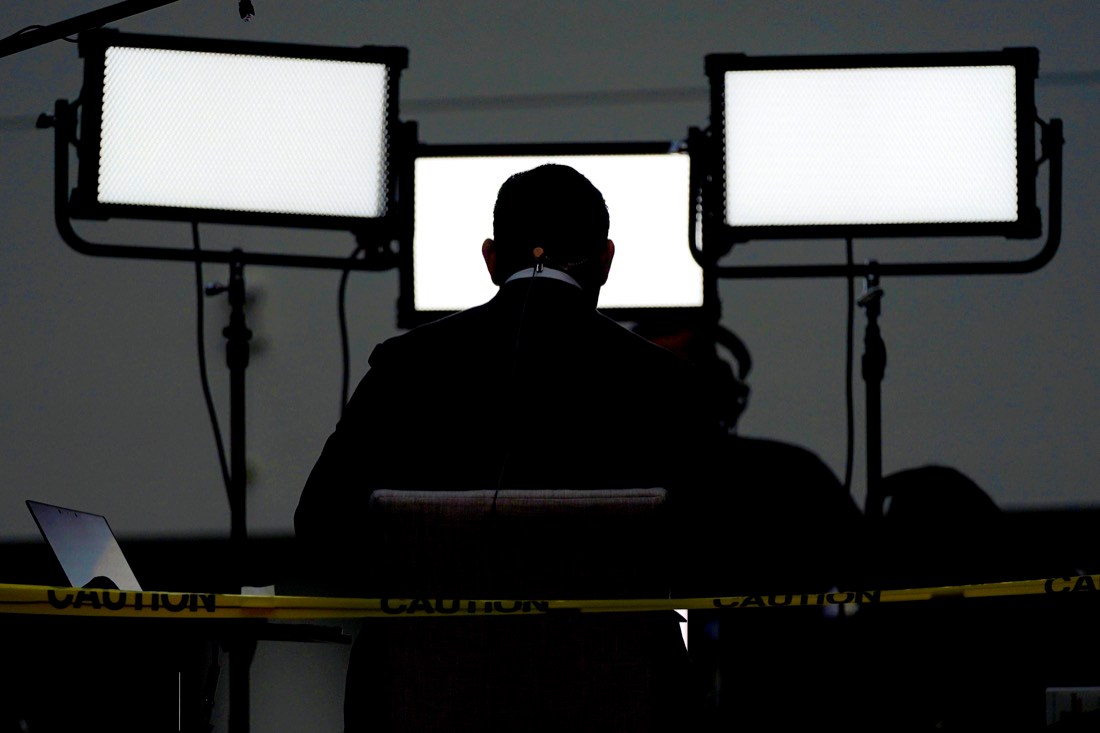
FILE - In this Sept. 29, 2020, file photo a broadcast journalist sits in front of lights ahead of the first presidential debate between Republican candidate President Donald Trump and Democratic candidate former Vice President Joe Biden at the Health Education Campus of Case Western Reserve University in Cleveland. A new study of people's attitudes toward the press finds that distrust goes deeper than just partisanship and down to how journalists define their mission. Americans want their journalists to be more than watchdogs. (AP Photo/Julio Cortez, File)

NEW YORK (AP) – A study of the public’s attitude toward the press reveals that distrust goes deeper than partisanship and down to how journalists define their very mission.

In short: Americans want more than a watchdog.

The study, released Wednesday by the Media Insight Project, a collaboration between the American Press Institute and The Associated Press-NORC Center for Public Affairs Research, suggests ways that news organizations can reach people they may be turning off now.

“In some ways, this study suggests that our job is broader and bigger than we’ve defined it,” said Tom Rosenstiel, executive director of the American Press Institute.

The study defines five core principles or beliefs that drive most journalists: keep watch on public officials and the powerful; amplify voices that often go unheard; society works better with information out in the open; the more facts people have the closer they will get to the truth; and it’s necessary to spotlight a community’s problems to solve them.