
Monday, November 16, 2026Nov 16

Global warming’s extreme rains threaten Hawaii’s coral reefs

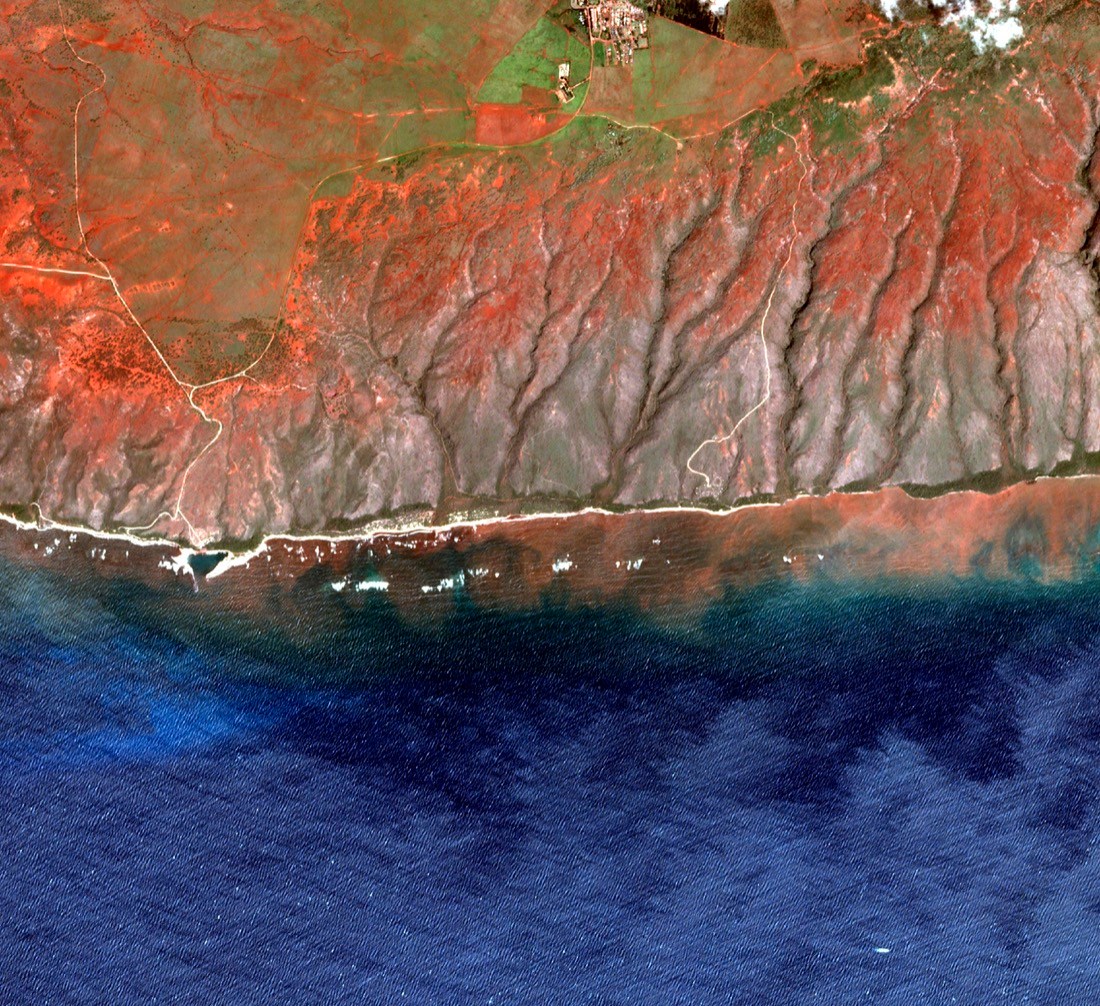
In this 2020 satellite image provided by the Arizona State University's Center for Global Discovery and Conservation Science, Allen Coral Atlas, runoff from the island of Molokai in Hawaii flows into the ocean. Recent flooding in Hawaii caused widespread and obvious damage. But extreme regional rain events that are predicted to become more common with global warming do not only wreak havoc on land, the runoff from these increasingly severe storms is also threatening Hawaii's coral reefs. (Arizona State University's Center for Global Discovery and Conservation Science, Allen Coral Atlas via AP)

HONOLULU (AP) – As muddy rainwater surged from Hawaii’s steep seaside mountains and inundated residential communities last month, the damage caused by flooding was obvious – houses were destroyed and businesses swamped, landslides covered highways and raging rivers and streams were clogged with debris.

But extreme rain events predicted to become more common with human-caused global warming not only wreak havoc on land – the runoff from these increasingly severe storms also threatens Hawaii’s coral reefs.

“These big events are the ones that have the greatest damage because they are the ones that put the most sediment and nutrients out onto the reef,” said C. Mark Eakin, senior coral advisor to the National Oceanic and Atmospheric Administration and the former director of the agency’s Coral Reef Watch program.

A warmer climate tends to amplify existing weather patterns, said Hawaii’s state climatologist, Pao-Shin Chu, noting the islands have an overall wet climate and that powerful storms are expected to become more frequent.

“Given this climate change or global warming, as we have seen over the last hundred years, the atmospheric water vapor pressure is increasing,” said Chu. “We have some evidence showing that we already have some increasing, very intense rain.”