
Monday, November 16, 2026Nov 16

America’s gas-fueled vehicles imperil Biden’s climate goals

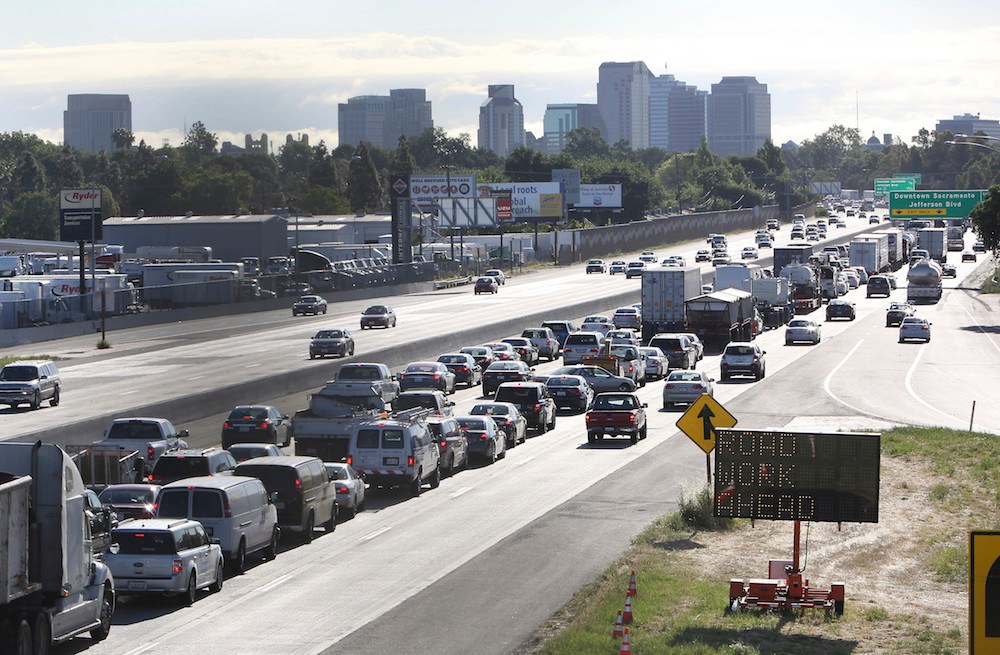
In this April 22, 2014 file photo, drivers enter Sacramento on Highway 50 to come to a near stand still as traffic backs up in West Sacramento, Calif. The U.S. Transportation Department is moving to reverse former President Donald Trump's bid to end California's ability to set its own automobile tailpipe pollution standards.The National Highway Traffic Safety Administration, which is part of the DOT, said Thursday, April 22, 2021 it is proposing to withdraw a rule rule meant to stop states from setting their own requirements for greenhouse gases, zero emissions vehicles and fuel economy. .(AP Photo/Rich Pedroncelli, File)

DETROIT (AP) – For President Joe Biden to reach his ambitious goal of slashing America’s greenhouse gas emissions in half by 2030, huge reductions would have to come from somewhere other than one of the worst culprits: Auto tailpipes.

That’s because there are just too many gas-powered passenger vehicles in the United States – roughly 279 million – to replace them in less than a decade, experts say. In a typical year, automakers sell about 17 million vehicles nationwide. Even if every one of the new ones were electric, it would take more than 16 years to replace the whole fleet.

What’s more, vehicles now remain on America’s roads for an average of nearly 12 years before they’re scrapped, which means that gas-fueled vehicles will predominate for many years to come.

“We’re not going to be able to meet the target with new-car sales only,” said Aakash Arora, a managing director with Boston Consulting Group and an author of a study on electric vehicle adoption. “The fleet is too big.”

So unless government incentives could somehow persuade a majority of Americans to scrap their cars and trucks and buy electric vehicles, reducing tailpipe emissions by anything close to 50% would take far longer than the Biden timetable. Last year, fewer than 2% of new vehicles sold in the United States were fully electric.