
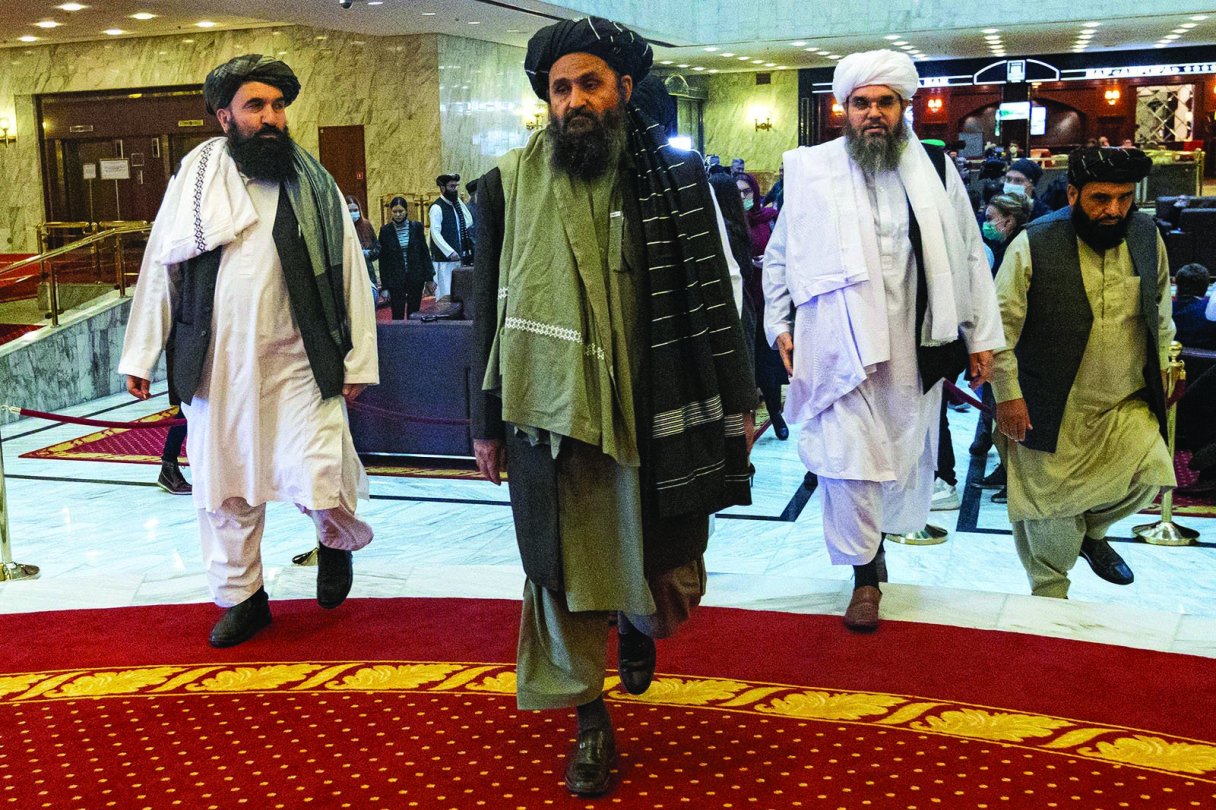
After seeing the images out of Kabul in recent days, Maajid Nawaz, a former radical Muslim, said, “Barefoot Taliban conquered a palace. They believed in something and fought for nothing. I have lived with men like this in prison. It is difficult to describe just how seriously they take their cause. There is a lesson here for us in the West, if we are humble enough to see it.”
We hear the terror from Afghan women who now wonder what the lives of their daughters will be like, worried that 20 years of progress in women’s rights have disappeared overnight. We see the desperation of men so afraid of what might come next that they’re literally clinging to the wheels of American aircraft as they depart. Yet, we struggle to have a category for what they actually fear. Many Westerners don’t have the categories to understand the realities of Islamic fundamentalism.
Much of the world has long struggled to understand the worldview that is driving the Taliban conquerors today, or the ISIS fanatics from a few years ago, or the al-Qaida terrorists that struck on 9/11. These groups are driven by their own internal logic, their own worldview.
I’m not going to try to explain the entirety of radical Islam. However, there are a few key points about this worldview that can give us clarity in understanding what’s happening in Afghanistan and what we might expect in the days ahead.
First, for radical Islam, this isn’t about this particular American president or the last American president or any particular foreign-policy decision. This is seen as part of a war that’s been going on for over 1,000 years.