
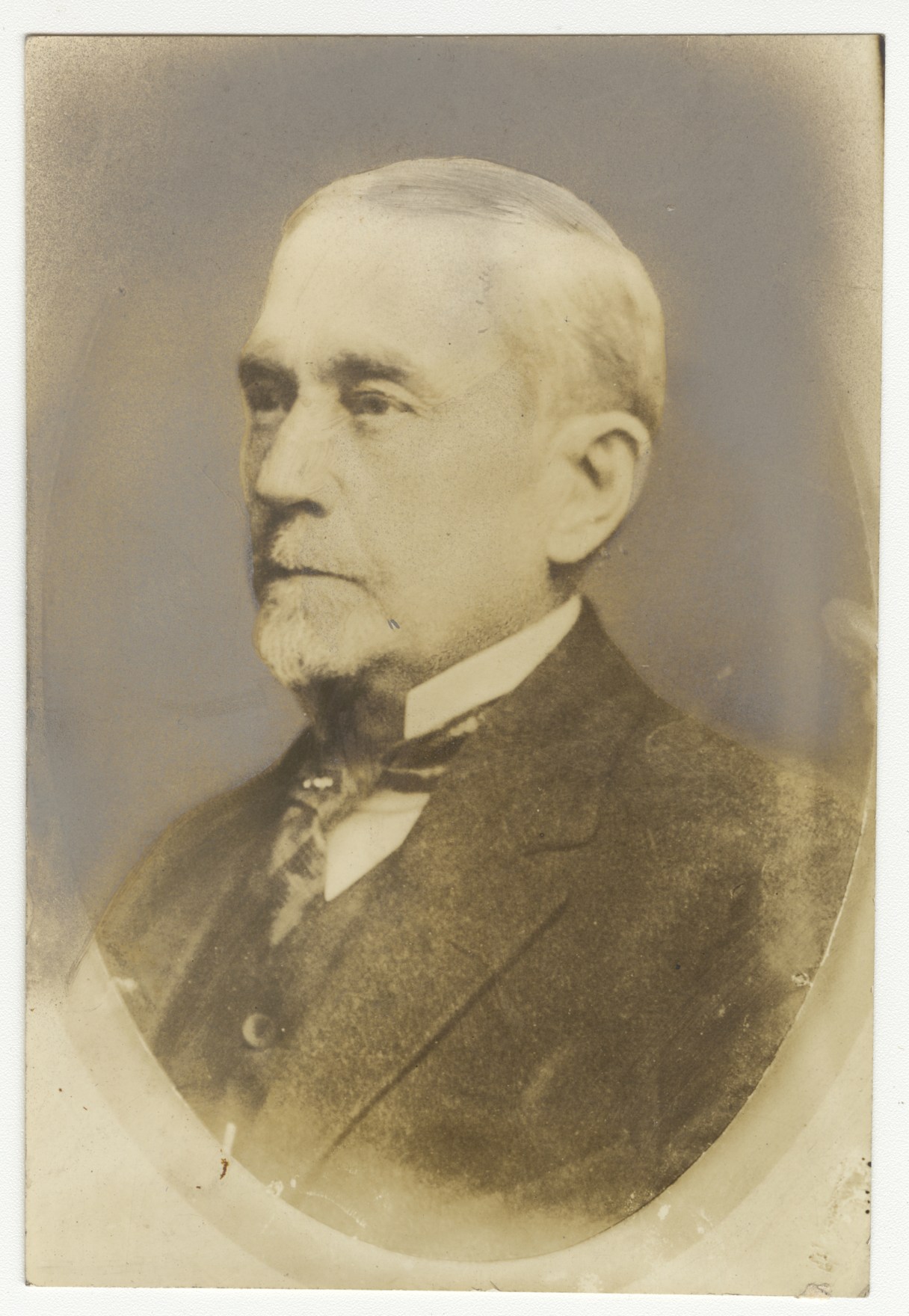
(Editor’s note: Second in a series)
By February 1913, the Montague family’s gift to Chattanooga and its citizens had moved into the planning phase. Montague Park had been carefully surveyed and discovered to be “forty-eight acres, about twenty-eight across of which are covered with a fine forest growth of native deciduous trees and hedges of osage orange … [while] the cleared portion covers twenty acres and also contains a few scattered trees.” As the Chattanooga Daily Times described on Feb. 9, 1913, the deed of conveyance contained “restrictions and reservations” requiring improvements “which have to be recognized” related to the development of the park.
Commissioner Joseph Warner stepped forward to champion the park, focusing on the necessity of planned green spaces for the city’s residents and pointing to similar “park ways” which had enhanced cities in the Northeast. As he explained, “The land is so situated as to form a link in the chain of parks, beginning with Warner park on the north, to and through Jackson park and to and through Montague park on the south by way of existing streets … to Rossville boulevard.”
Focusing on the needs of families for open-air spaces for recreation and exercise, the commissioner cited research results supporting parks as a way to improve the health of workers and thereby improving economic development and industrial growth. Additionally, the plan incorporated “sanitary drinking fountains” connected to the city’s water supply which were designed to allow sprinkler connections for lawn maintenance. Lower areas of the land would be equipped with “large size under drains” to draw off the ground water. The detailed plan, produced by Chattanooga engineer Edward E. Betts, included “thorough lighting” with “underground wiring” that would provide safety for those summer evenings when families would gather for “recreation.”
As planning continued, controversy erupted in the City Commission. By September 1914, The Chattanooga News reported that one commissioner alleged “the improvement of Montague park, the forty-seven-acre woodland tract, would be a wasteful expenditure.” A 14-member panel of Southside business leaders, led by W.G. Slaten, challenged that statement and urged that “the grounds be cleaned and laid out as they should be.” [No indication was provided for the loss of an acre …]
Warner stepped forward and shared that “an appropriation of $4,000 has been set aside for Montague Park improvements,” further stating that “approximately $1,300 of this amount has been spent in the erection of a fence and that more of the $4,000 is being spent to clean up the grounds.” Several commissioners argued with Warner that the expenditures would be unwise since the land often flooded under the “backwaters from the river” and that they needed to better understand the plans for the park. As the meeting heated, Warner retorted that he “had the plans drawn on Montague Park and that these had been in his office for some time – and if the commissioners had not seen them it was not his fault.” Commissioner Betterton alleged that there was a difference between “a pretty little drawing” and plans, going on the record in opposition to appropriating money for the park given a part of it “being under seventeen or eighteen feet of water from the river. Warner responded that a “large proportion of the park was of sufficient height that it could be made attractive and beautiful.” Mayor T.C. Thompson ended the debate, saying “that when he was convinced that money spent toward the improving of Montague Park was not wasted, then he would give full consideration to the matter.
A compromise was reached and, by December 1914, Warner explained to the Chattanooga Daily Times that “a force of men would be put to work in Montague Park in order to provide employment for some of the poor of the city …” Two days later, Superintendent Suffern arrived at the park to meet the 15 men who sought employment, but they were forced to declare it “was too cold to work.” Conditions worsened over the next week and Warner was disheartened. “It would mean suicide for them to work out of doors in the cold rain and snow … we cannot provide them with clothing … got grading streets to connect the park with Cator street” and then using the “dirt taken … to fill low places in the park.”
Warner was delayed but not discouraged …
Linda Moss Mines, Chattanooga and Hamilton County historian, is Regent, Chief John Ross Chapter, NSDAR.