
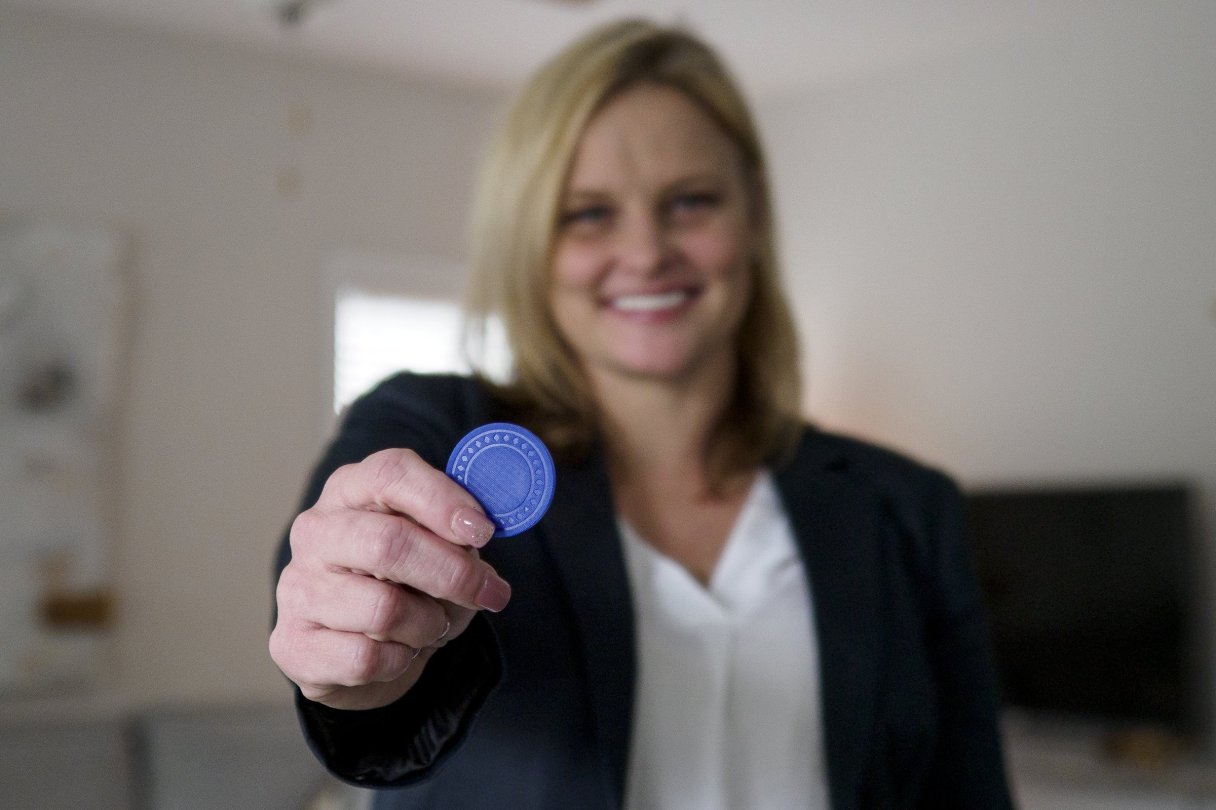
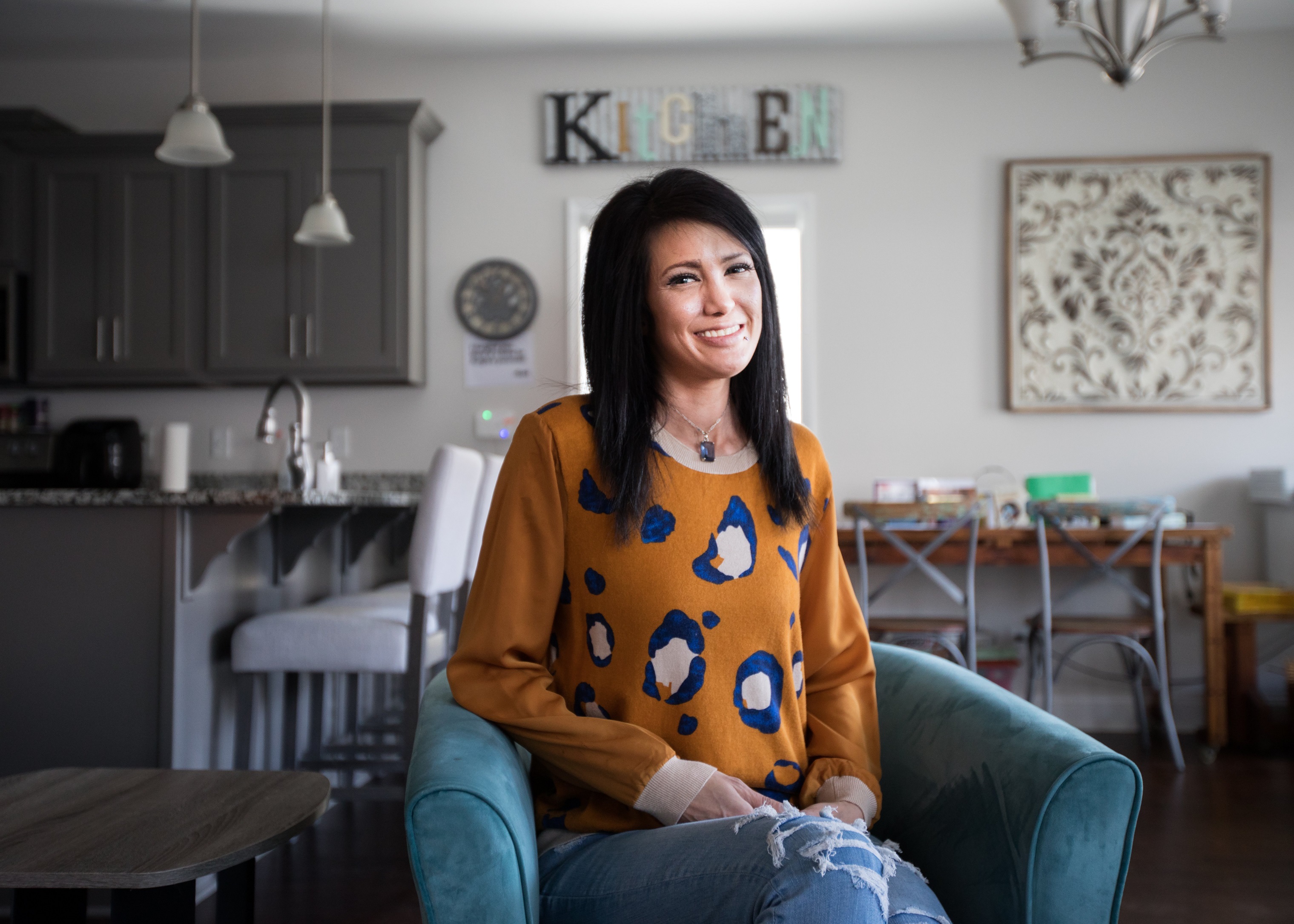
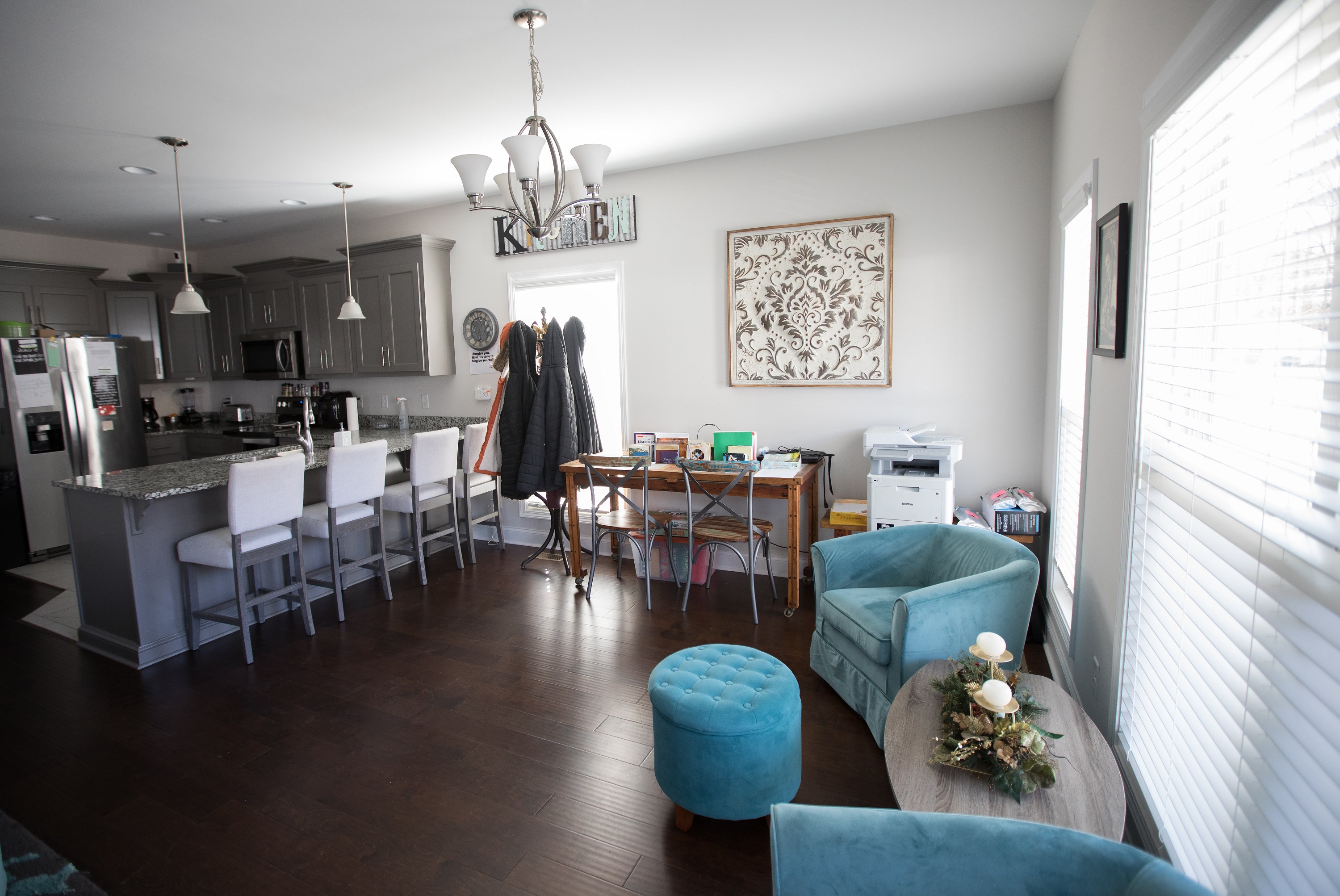
On an afternoon in December, The Launch Pad feels like the home of a skilled holiday host: Scented candles emit the pleasant aroma of warm spices. An attractive and uncluttered space offers seating arranged for conversation. The kitchen glistens. A decorated tree and a crackling fire (shown virtually on the TV screen, but inviting nonetheless) beckons.
But, like most of us during the coronavirus pandemic, The Launch Pad residents haven’t been entertaining guests. Most are working, as residents of the women’s sober-living house are required to find a job within 30 days of moving in.
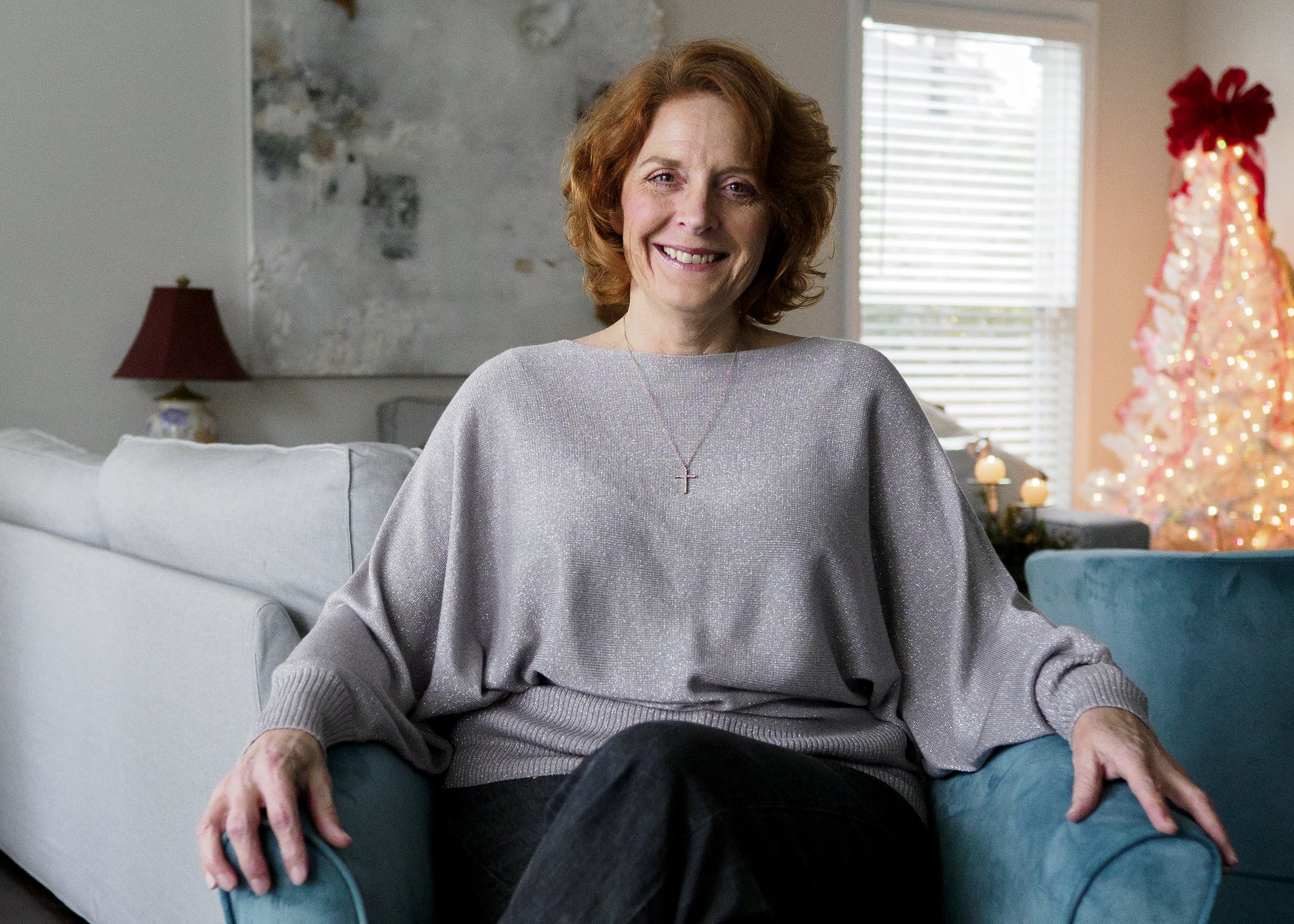
Opening a sober-living house in Chattanooga was a longtime goal for local restaurateur Scottie Bowman, a recovering alcoholic and drug addict who struggled with addiction for 25 years before beginning her nearly 19-year-long journey of sobriety.
Through The Launch Pad, she hopes to help other women in recovery by offering them a temporary place to live in a supportive, positive environment as they get their lives back on track.
“I believe in recovery,” Bowman says. “I think alcohol and drug addiction costs us lives and money and community solidarity, and I think it’s a good cause.”
Located in downtown Chattanooga, the 2,000-square-foot home has five bedrooms, three baths and a fenced-in yard. There’s also a shed containing donated bicycles that residents can ride to alcohol and drug addiction recovery meetings at the nearby Suburban Club.
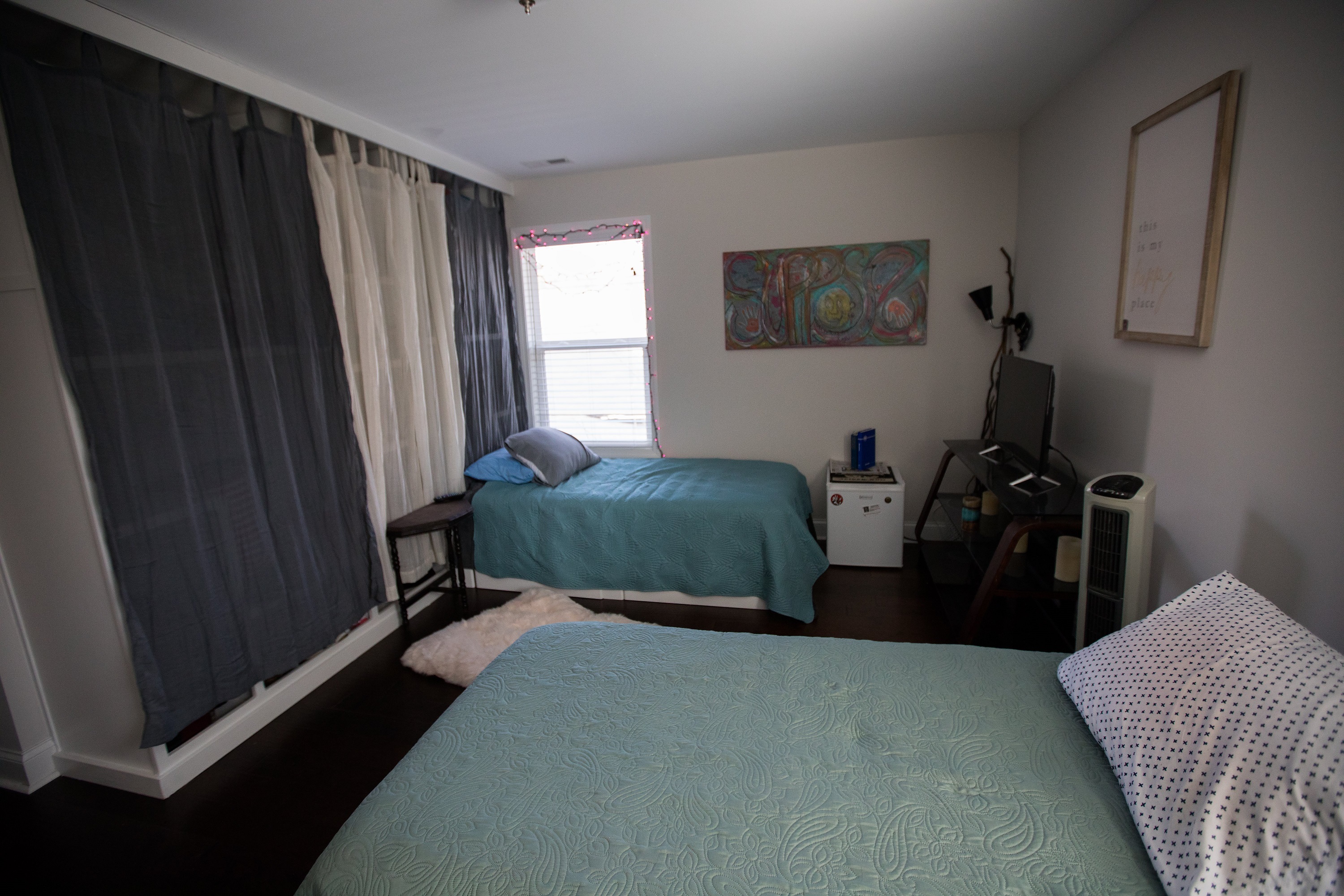
Each of the eight residents shares a bedroom with a roommate, and resident manager Kelli Webber, The Launch Pad’s only employee, has her own room.
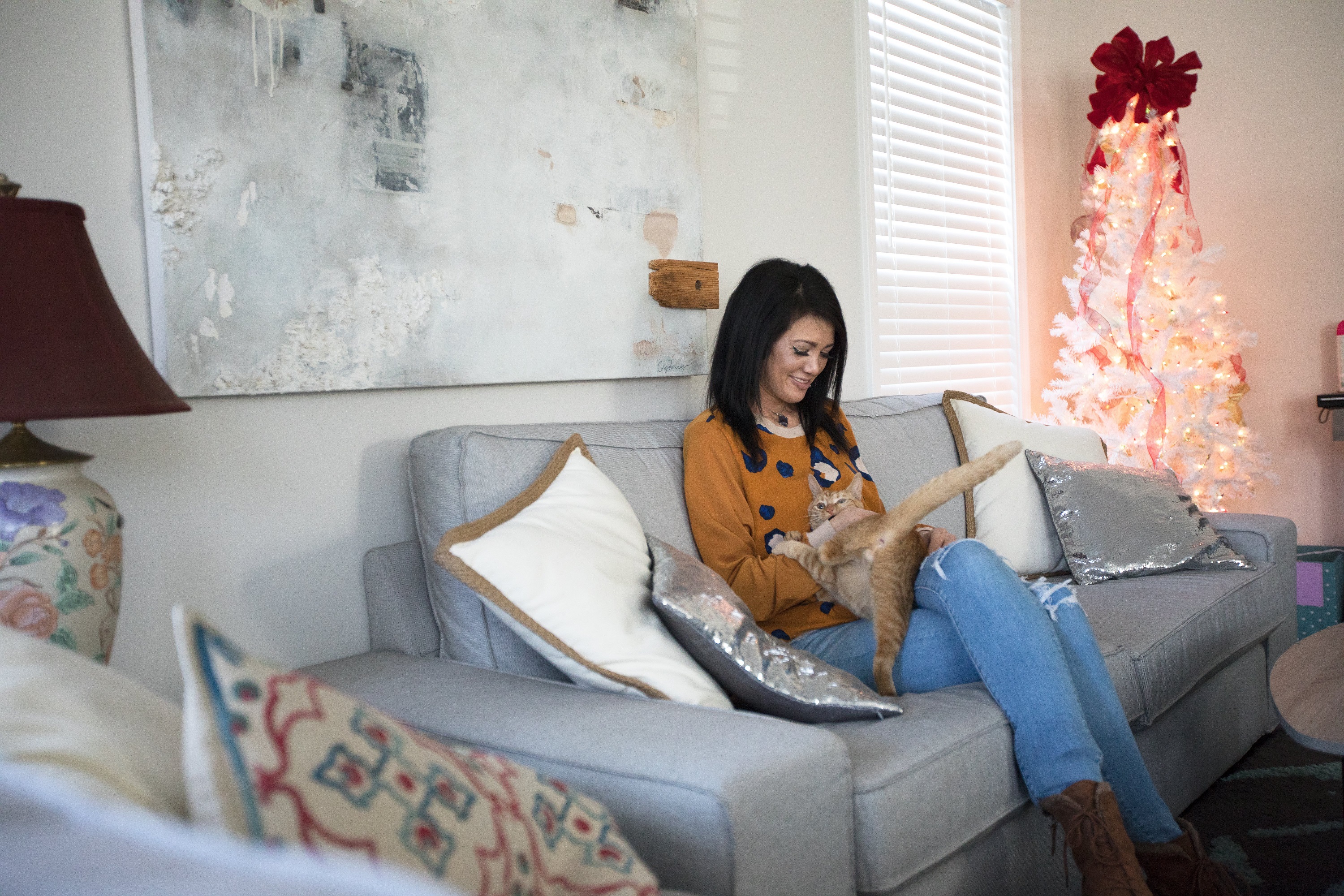
Biscuit, the house cat which residents adopted after neighbors moved and left him behind, can typically be found sleeping in the sink in the second-floor hallway bathroom.
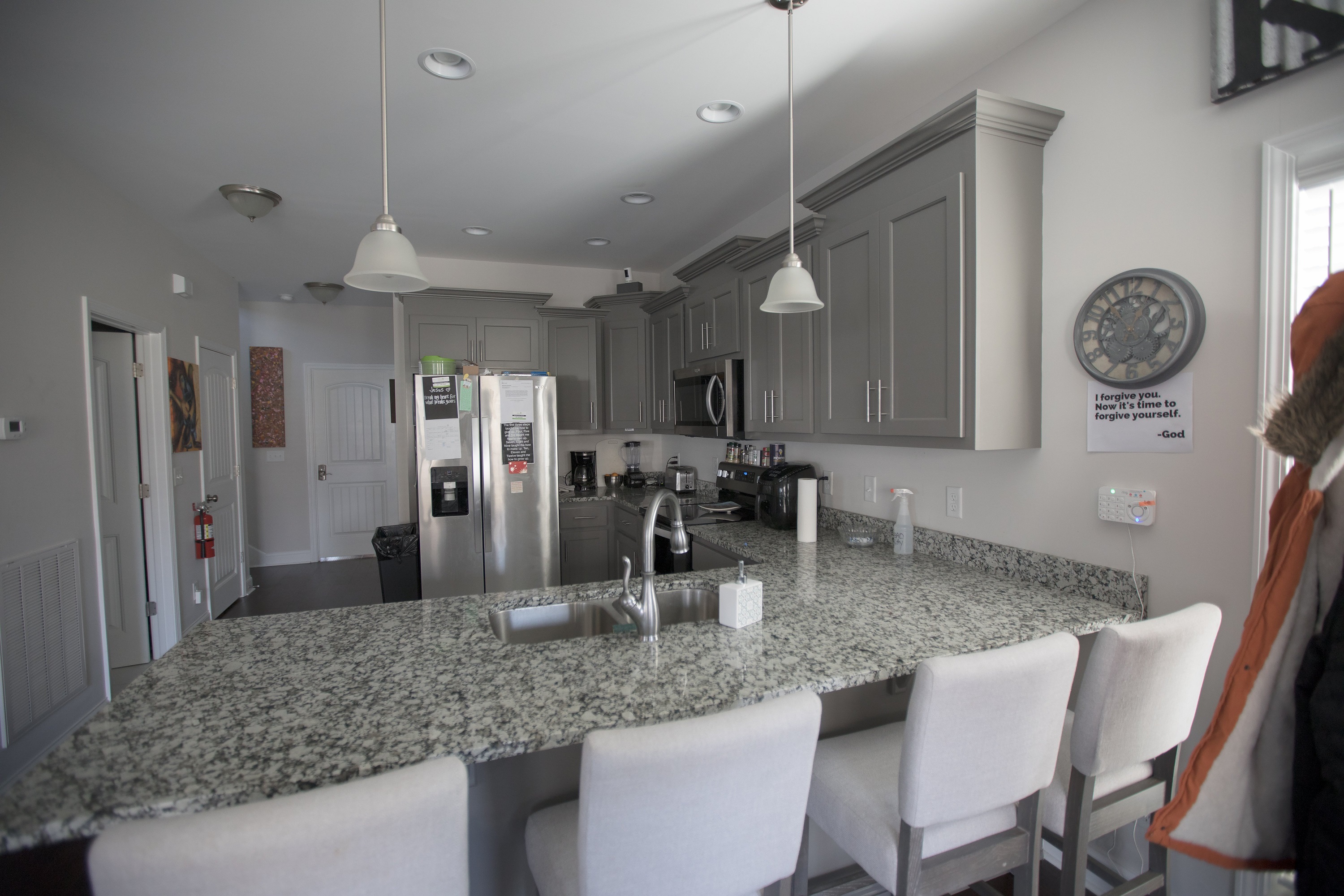
All of the well-decorated home’s furnishings are brand-new, selected by The Launch Pad board members “with really good taste,” says Webber, a recovering addict who’s been sober for four years.
“This isn’t really an institution like some of the other places; this is a home, and it is a nice home,” Webber says.
Residents gather on the living room’s comfy and stylish seating for daily house meetings, typically the only occasions when all the residents are together at one time.
The women, most of whom are in their late 20s to early 40s, purchase and prepare their own food in the spacious kitchen with granite countertops.
In one of the bedrooms, a large walk-in closet is filled with donated clothes and accessories, including professional attire that residents can wear to job interviews. Many of the women have nothing when they move in, Bowman says.
“Many of them come to us without even identification,” she says.”It’s really starting at step zero – just not drinking and doing drugs and trying to find some semblance of a normal life. They’re coming to us pretty broken, and we just want to help them build up.”
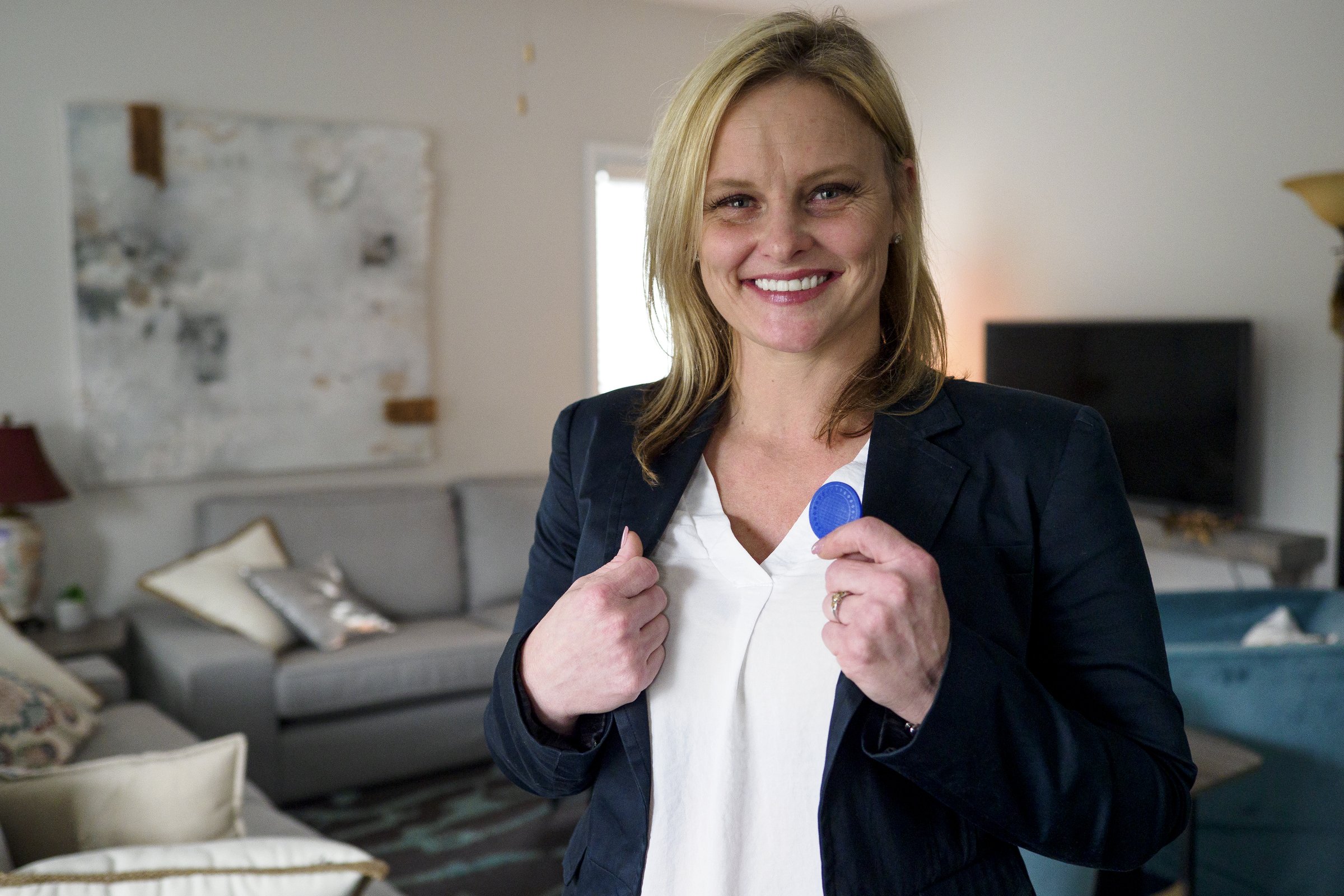
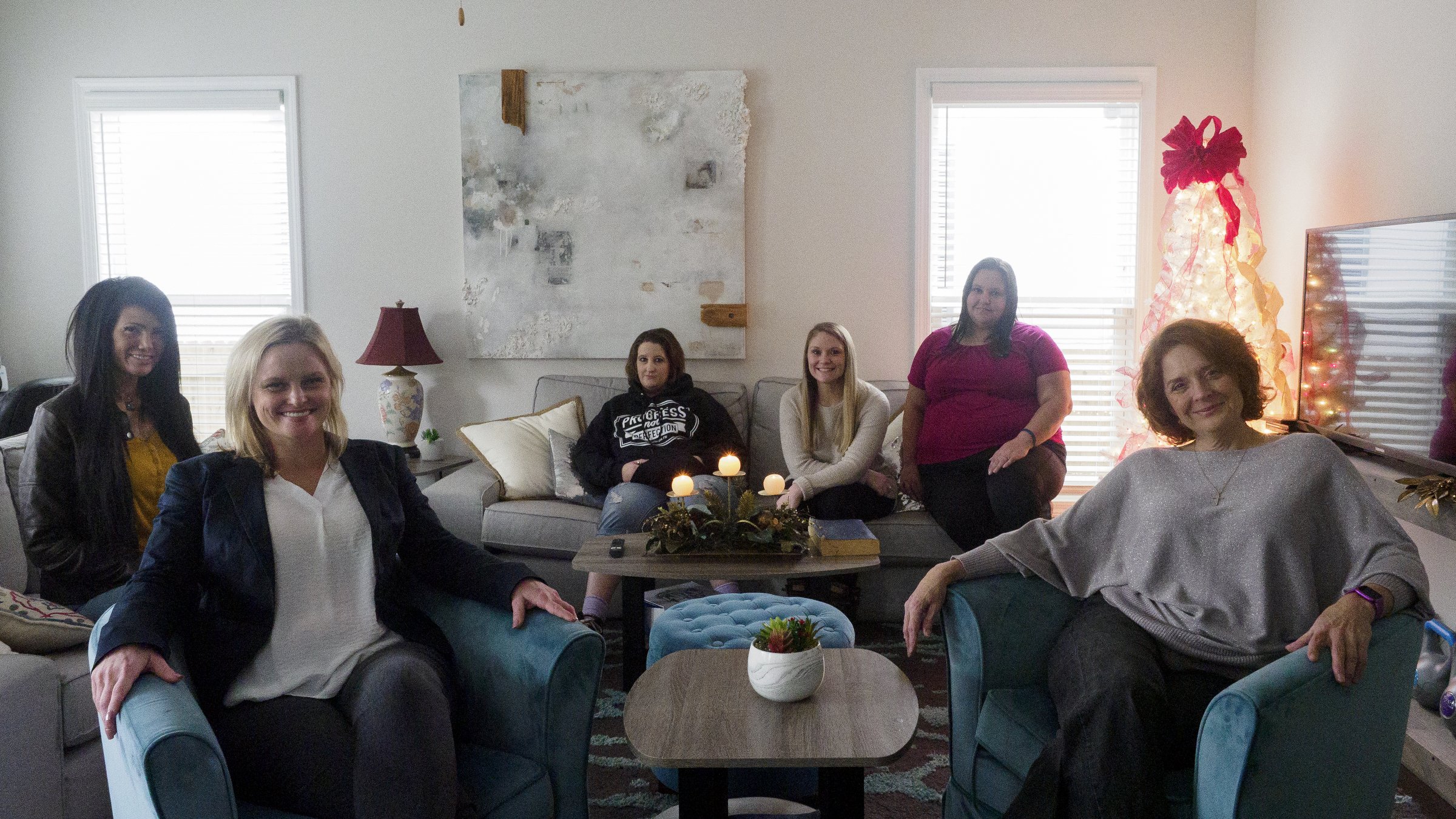
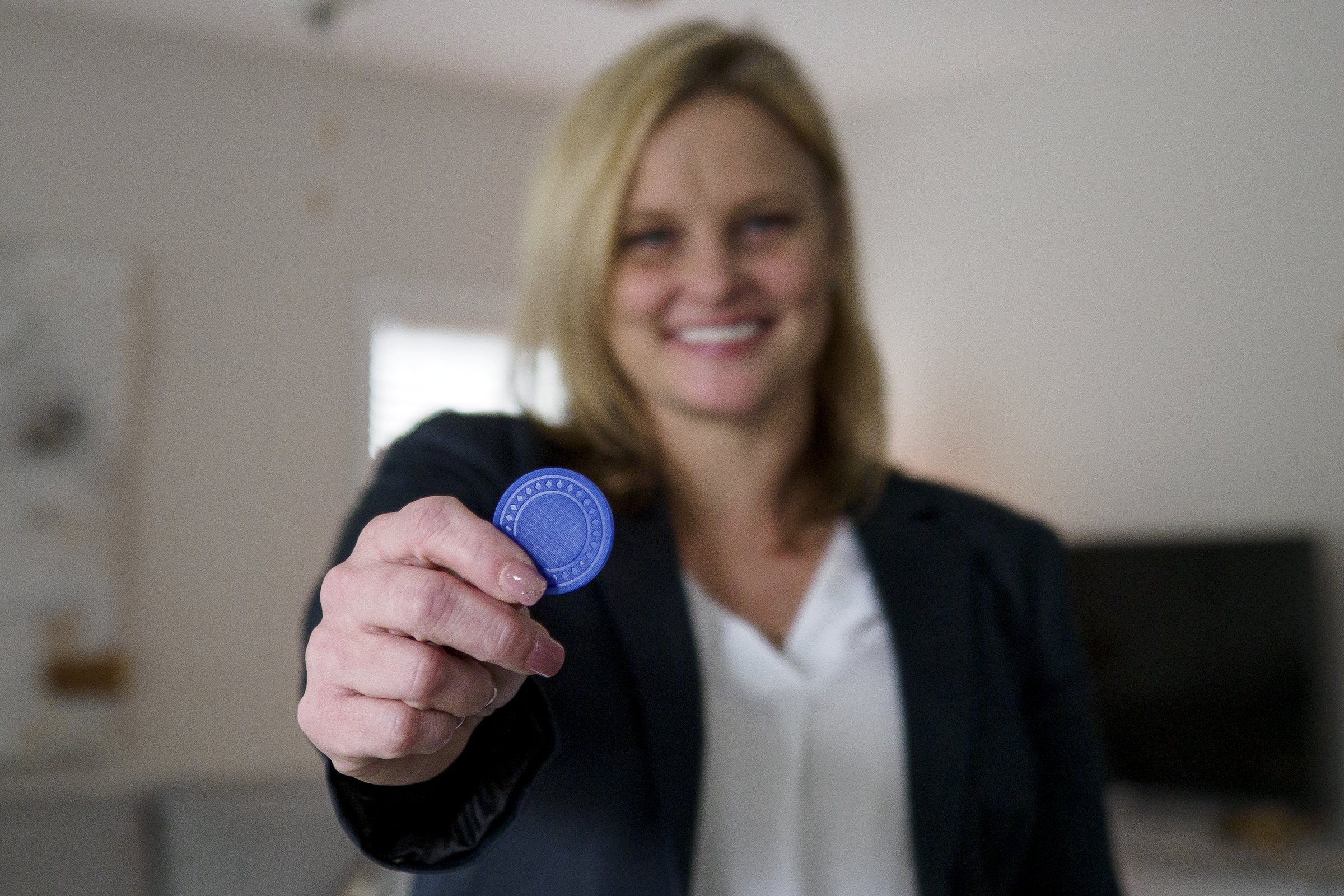
Often, the most difficult aspect of getting sober is rejoining society, says Webber, and The Launch Pad addresses many of the barriers to success faced by women in recovery.
She says The Launch Pad is the only local sober-living house for women with no up-front costs for residents, who are given 30 days to find a job before they are required to start paying rent.
After their first month, residents must have a job, pay rent and participate in The Launch Pad’s 12-step program, which requires them to have a sponsor and attend four meetings a week. “We connect them with a whole community of sober people who are willing to help them,” Webber says. Residents also must pass drug tests to verify that they are staying sober.
Ashley Harrison, a resident since the house opened in July, recently celebrated six months of sobriety, and credits much of her success to The Launch Pad. The 36-year-old says she’s been through plenty of recovery programs in the past, but she’s never been able to remain sober once she goes back to her everyday life.
“The other places kind of cut me off from the world,” Harrison says. “What The Launch Pad offers to me is putting me back into society slowly. This program is so different for me because I am just 30 minutes from home and I’m still able to work and live in the house with these other women who are trying to get their lives back, get their children back.”
Holly Webb, a resident of five months, says the unity among residents is what sets The Launch Pad apart from other sober-living houses.
“We’re more like family; no one’s out to get each other and we all want to see each other succeed,” says Webb, adding that she expects some of the residents will remain her lifelong friends.
She says living in a nice home surrounded by beautiful things is motivation to stay on track.
“It gives you drive to want better things,” she says. “It definitely does help.”
With eight residents and a resident manager, the house is at capacity and receives daily calls from new people wanting to move in.
Bowman says she originally planned to open just one house, but the enthusiasm of her board of directors led her to dream even bigger. She purchased seven lots on the same block as the existing home, where her goal is to build four more houses in the next five years. That would provide housing for 40 women in recovery and five resident managers, she says.
After that, she hopes to build a quadriplex so women with children can rent an apartment where they can have overnight visitation.
Later down the road, she says the nonprofit organization may open a business, such as a cafe or a dog grooming and boarding facility, where the women could work.
“It’s really tough to get a job if you don’t have any skill sets other than just the hospitality industry, and that’s tough on recovery because we serve alcohol,” says Bowman, owner of Scottie’s on the River and The Big Chill. “That was tough on me in the beginning. It took me a couple of years to really get comfortable being around alcohol in the restaurant.”
Each of the houses, which will be similar to the existing house, will cost around $250,000, and she estimates the quadriplex will be around $500,000.
But with the community response and donations the organization has received so far, she’s confident she can achieve her goals.