
Monday, November 16, 2026Nov 16

High court to review Tennessee school voucher lawsuit

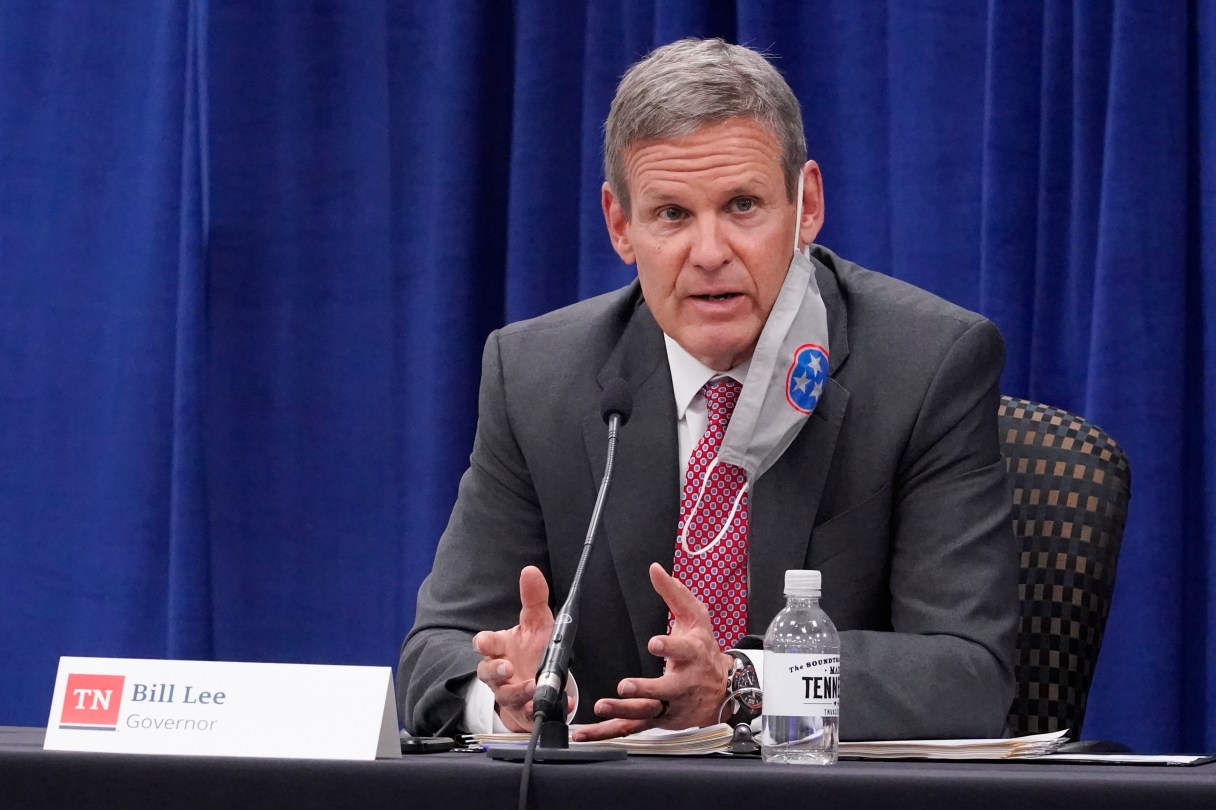
Gov. Bill Lee speaks during the Tennessee Higher Education Commission session of the state budget hearings Tuesday, Nov. 10, 2020, in Nashville, Tenn. A prominent voucher group's outreach efforts to families of students "caused nothing but confusion" while Tennessee attempted to enact a program that would have allowed parents to use tax dollars to pay for private school tuition. According to emails detailing the implementation efforts, officials were clashing with the American Federation for Children as it rushed to get the voucher program up and running. (AP Photo/Mark Humphrey)

NASHVILLE, Tenn. (AP) – Tennessee’s highest court on Thursday agreed to take up an appeal of a lawsuit challenging the legality of a school voucher program allowing parents to use public tax dollars for private school tuition.

The program – known as education savings accounts – would let eligible families use up to $7,300 in public tax dollars on private schooling tuition and other pre-approved expenses.

However, the 2019 law has never been implemented after being struck down multiple times despite appeals from Gov. Bill Lee and voucher advocates.

A chancery court ruled last year that the voucher law violated the Tennessee constitution’s “home rule,” which says the Legislature can’t pass measures singling out individual counties without local support. An appeals court upheld the ruling.

Under the law, the program would only apply to Nashville and Shelby County, which includes Memphis, areas where most of the local Democratic lawmakers opposed the law.