
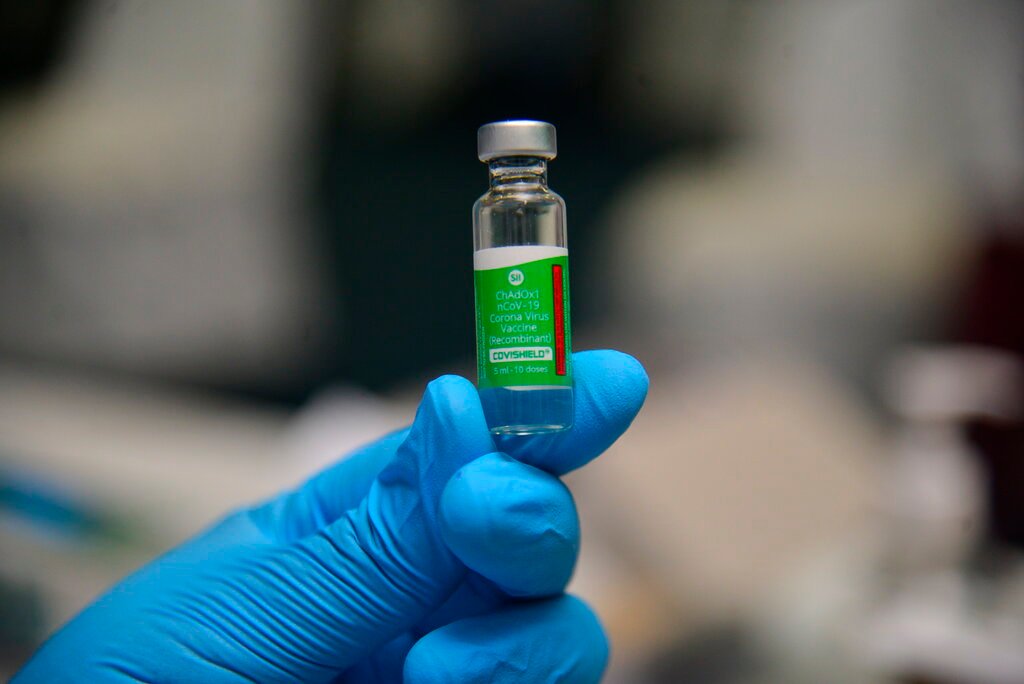
TORONTO (AP) – The World Health Organization has granted an emergency authorization to AstraZeneca’s coronavirus vaccine, a move that should allow the U.N. agency’s partners to ship millions of doses to countries worldwide as part of a U.N.-backed program to tame the pandemic.
In a statement Monday, the WHO said it was clearing the AstraZeneca vaccines made by the Serum Institute of India and South Korea’s AstraZeneca-SKBio.
The WHO’s green light for the AstraZeneca vaccine is only the second one the U.N. health agency has issued after authorizing the Pfizer-BioNTech vaccine in December. Monday’s announcement should trigger the delivery of hundreds of millions of doses to countries that have signed up for the U.N.-backed COVAX effort, which aims to deliver vaccines to the world’s most vulnerable people.
“Countries with no access to vaccines to date will finally be able to start vaccinating their health workers and populations at risk,” said Dr Mariângela Simão, the WHO’s Assistant-Director General for Access to Medicines and Health Products.
The coronavirus pandemic has infected about 109 million people worldwide and killed at least 2.4 million of them. But many of the world’s countries have not yet started vaccination programs and even rich nations are facing shortages of vaccine doses as manufacturers struggle to ramp up production.