
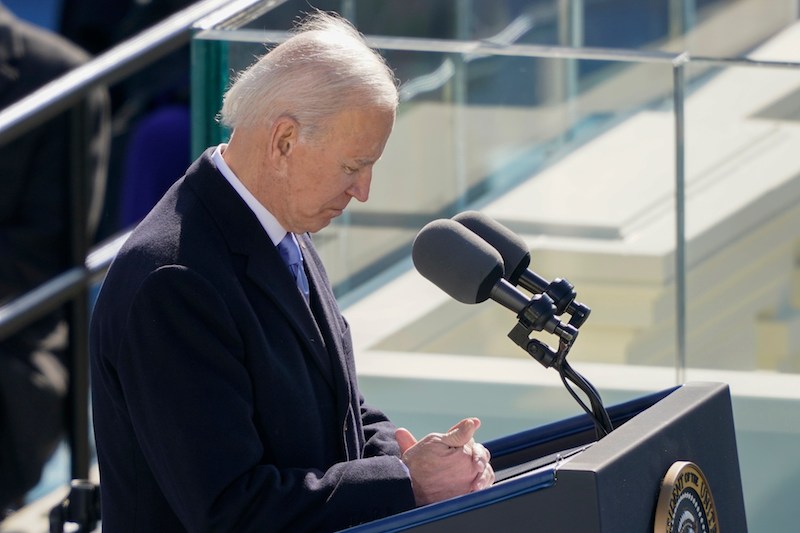
In his inaugural address last week, President Joe Biden rattled off six crises that the United States faces simultaneously: a deadly pandemic, a threat to our democracy, economic inequity, systemic racism, climate change and a diminished role for the U.S. in the world.
As if that weren’t enough, all of these problems are exacerbated by the polarization that is warping not just our politics, but also our society and our national identity.
Some Republicans and right-leaning media outlets signaled just after the inauguration that they were going to take offense at much of what Biden does – for example, witness the complaints that Biden was being divisive by calling out systemic racism in his speech or signing executive orders reversing a number of President Donald Trump’s most contentious initiatives. If that’s being divisive, there can be no healing.
The new president will need to speak to the public often about our challenges, what he’s trying to do about them, and why. But beyond that, he’ll need to find a way to show millions of disaffected, even hostile constituents that he hears and understands them, even when he disagrees with them. Many of those Americans are suspicious of such core Democratic Party tenets as affirmative action, cultural diversity, reproductive rights and gun control, complicating Biden’s task.
A good place to start would be to recognize and respond to the deep need in the American people for a sense of connection, of purpose, of meaning in their lives. Trump was as successful as he was because he spoke to those needs and provided Americans an opportunity to express their rage against a society that they believed disdained them for their faith, tastes, race or class and judged them on how much they had or made or who or what they knew.