
BUCARAMANGA, Colombia (AP) – As the coronavirus pandemic squeezed Colombia, the Romero family was in need of money to pay the mortgage. Mauricio Romero Medina’s $790 a month pension as a retired soldier wasn’t going far.
Then came a call offering a solution.
When Romero answered the phone on June 2, another veteran, Duberney Capador, offered what he said was a legal, long-term job requiring only a passport. But Romero had to make a decision fast.
“Talk about it with your family and if you are interested, see you tomorrow in Bogota, because the flight is the day after tomorrow,” Romero’s wife, Giovanna, told The Associated Press, recalling the conversation.
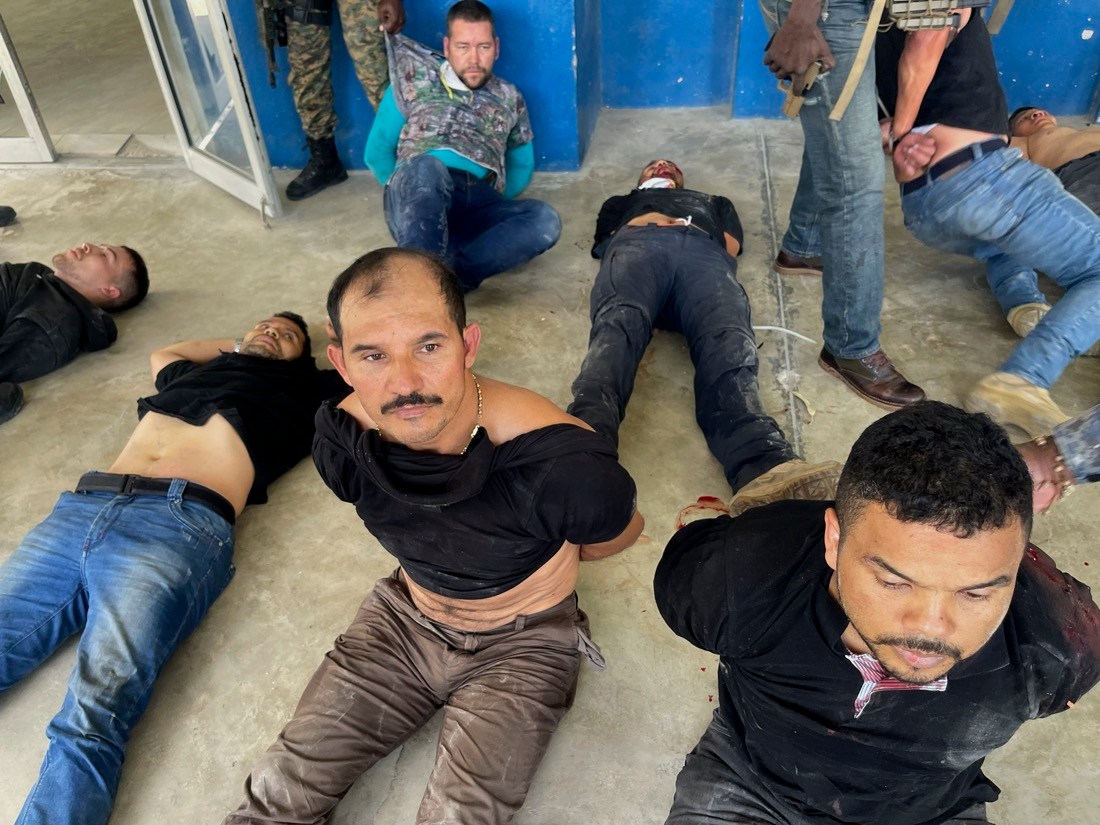
A month later, Romero and Capador were dead and 18 Colombians were reportedly in custody, accused of taking part in the assassination of Haitian President Jovenel Moïse. It’s a case that dramatizes Colombia’s role as a recruiting ground for the global security industry – and its murkier, mercenary corners.