
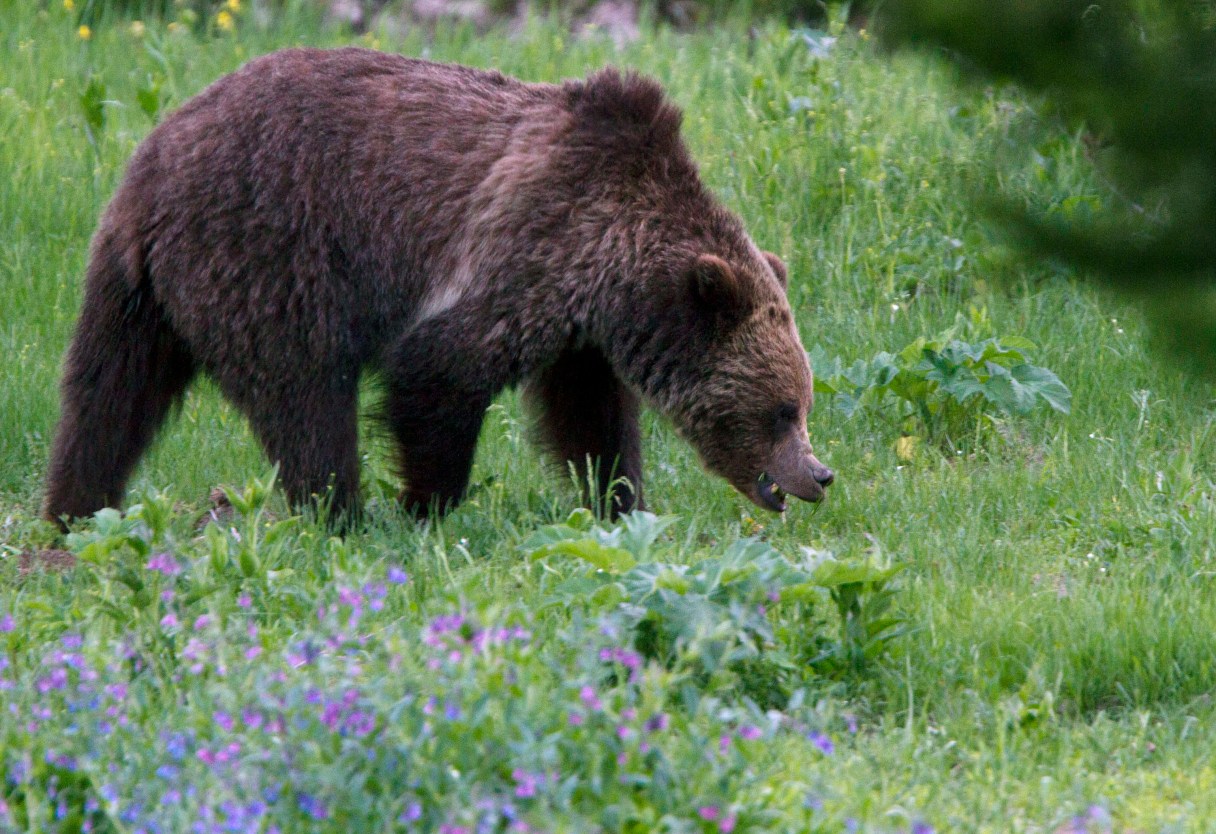
Most of us would agree there is a lot of difference between a grizzly bear and a chicken hawk.
Now right away, some of you regular readers (I think there are a few of you out there) are thinking: “That is a weird statement. Where is he going with this?” Stay with me here, class.
Our views on wildlife predators and how we deal with them have changed drastically in the past 50 years.
There was a time when a lot more people raised chickens. (I think we are seeing an increase in this.) Almost any avian predator that was a threat to your chickens was called a “chicken hawk.” It was usually the larger, soaring types of hawks such as the redtail and the broad-winged that were referred to as a chicken hawk, but in truth, any hawk that raided your grandmother’s chickens was called a chicken hawk. (Things were a lot simpler back then.)
Any predation of livestock on the family farm was usually met with a quick application of hot lead. This procedure was thought of as absolutely necessary, and no one questioned it. The chickens, pigs, and beef cattle were raised for food for the family and to sell for much-needed income. Wild animals that endangered the domestic stock were not tolerated; the survival and welfare of the family came before the predators.