
Friday, October 30, 2026Oct 30

This story is free to read.

Courts wrestle with whether manslaughter is always violent

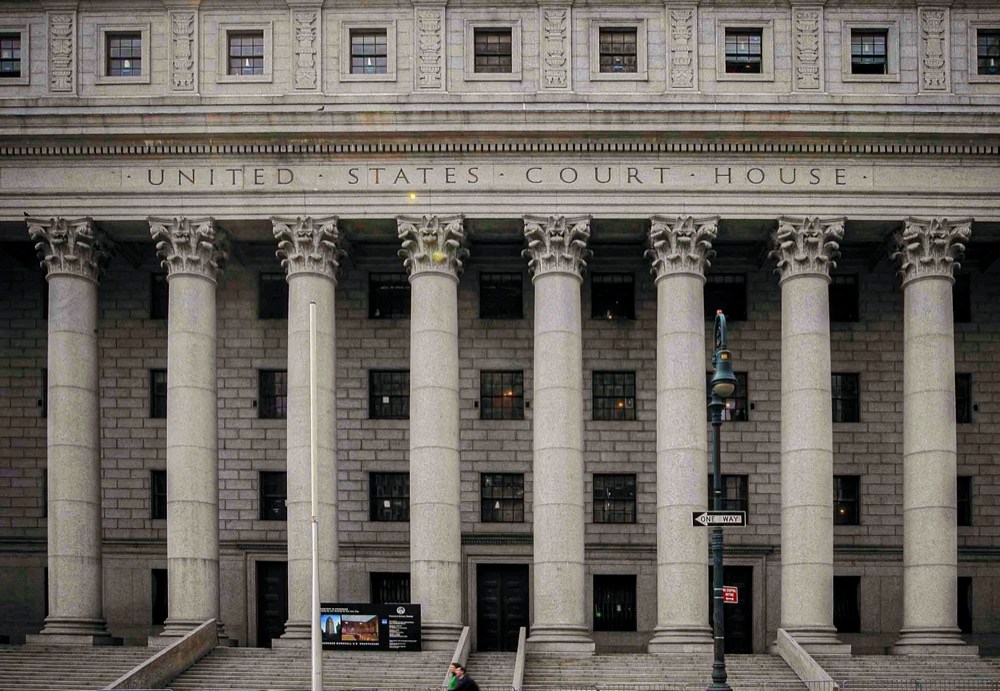
FILE - This photo from Tuesday May 3, 2011, shows the Thurgood Marshall U.S. Courthouse in Manhattan, N.Y., where the Second Circuit Court of Appeals is seated. The 14 judges of the Court heard arguments in U.S. v. Gerald Scott manslaughter case and voted 9-to-5 to label the 1998 killings "undoubtedly brutal." (AP Photo/Mary Altaffer, File)
FILE - This photo from Tuesday May 3, 2011, shows the Thurgood Marshall U.S. Courthouse in Manhattan, N.Y., where the Second Circuit Court of Appeals is seated. The 14 judges of the Court heard arguments in U.S. v. Gerald Scott manslaughter case and voted 9-to-5 to label the 1998 killings "undoubtedly brutal." (AP Photo/Mary Altaffer, File) FILE - This photo from Tuesday May 3, 2011, shows the Thurgood Marshall U.S. Courthouse in Manhattan, N.Y., where the Second Circuit Court of Appeals is seated. The 14 judges of the Court heard arguments in U.S. v. Gerald Scott manslaughter case and voted 9-to-5 to label the 1998 killings "undoubtedly brutal." (AP Photo/Mary Altaffer, File)

NEW YORK (AP) – Once annually, sometimes less, the full federal appeals court in New York meets to confront a perplexing legal question. Most recently, it was to decide whether shooting somebody point-blank in the face and stabbing somebody to death are violent acts.

The 14 judges of the 2nd U.S. Circuit Court of Appeals in Manhattan who heard arguments in U.S. v. Gerald Scott were left to decide how to label the 1998 killings that they agreed were “undoubtedly brutal.”

Ultimately, the full court voted 9-to-5 this week to conclude that Scott’s crimes were indeed violent. But their votes came with a robust debate over a legal puzzle that has vexed multiple federal courts – even if, they agreed, the answer might seem like common sense.

A lower-court judge had decided that Scott’s convictions – on manslaughter charges – meant he had not been convicted of a violent crime. He was freed after serving just over 11 years of a 22-year sentence.

The decision did not shock judges who considered the appeal in November in a unique gathering known as an “en banc” meeting of the full 2nd Circuit.