
NEW YORK (AP) – A year ago, Elvia Banuelos’ life was looking up. The 39-year-old mother of two young children said she felt confident about a new management-level job with the U.S. Census Bureau – she would earn money to supplement the child support she receives to keep her children healthy, happy and in day care.
But when the coronavirus was declared a global pandemic last March, forcing hundreds of millions of people into strict lockdown, Banuelos’ outlook changed. The new job fell through, the child support payments stopped because of a job loss and she became a stay-at-home mom when day cares shuttered.
“The only thing I could do was make my rent, so everything else was difficult,” said Banuelos, of Orland, California.
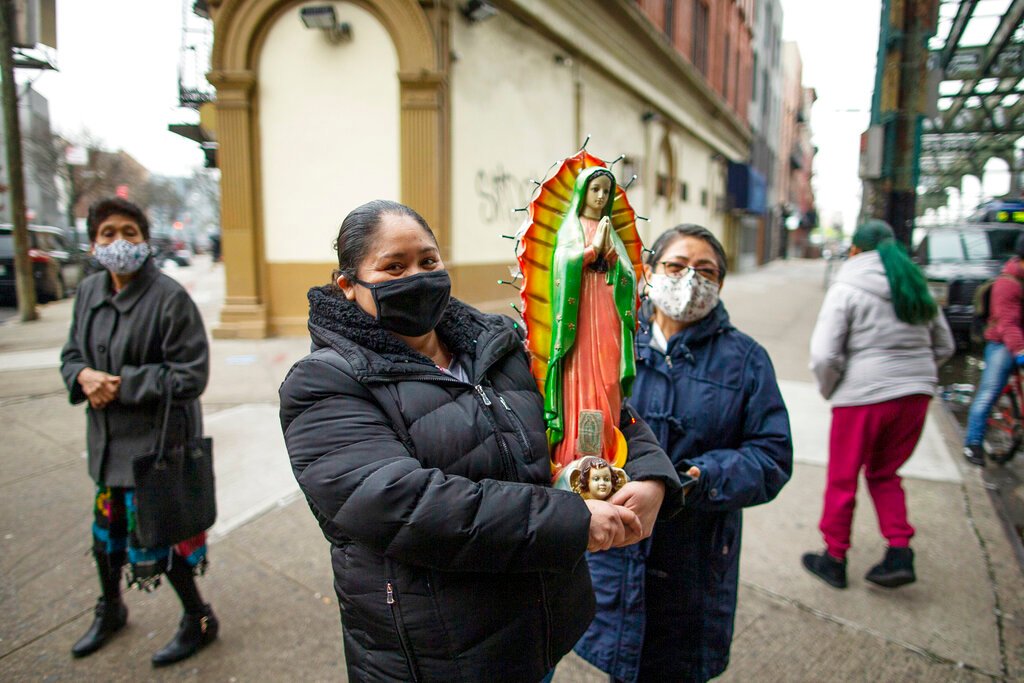
Millions of Americans have experienced a devastating toll during the yearlong coronavirus pandemic, from lost loved ones to lost jobs. More than 530,000 people have died in the United States. Those losses haven’t hit all Americans equally, with communities of color hit especially hard by both the virus and the economic fallout.
A new poll from The Associated Press-NORC Center for Public Affairs Research shows that compared with white Americans, Black and Hispanic Americans are more likely to have experienced job and other income losses during the pandemic, and those who have lost income are more likely to have found themselves in deep financial holes.