
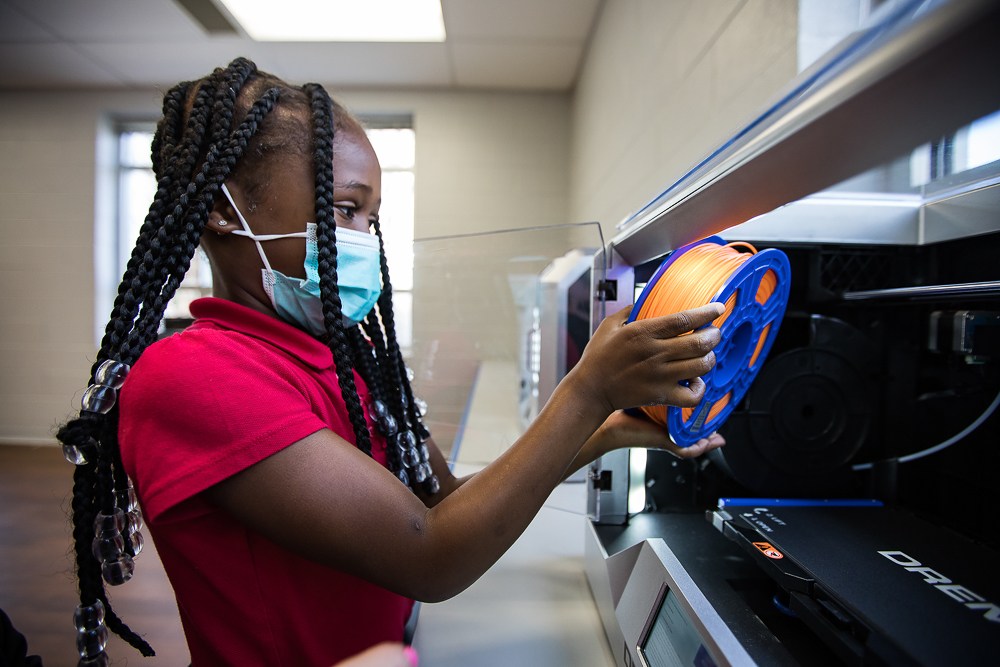
Hamilton County Schools is expanding the number of eLabs in the district through an anonymous $1 million donation given to its partnering organization, the Public Education Foundation.
Fifteen eLabs will open over the next three years, with seven opening in August. All seven eLabs opening this year will be at elementary schools – Battle Academy, Brown Academy, East Ridge Elementary, Lookout Valley Elementary, Red Bank Elementary, Soddy Elementary and Thrasher Elementary.
The donation was designated to expand the presence of eLabs across the school district, said Dan Challener, president of the foundation. After receiving the donation, the foundation and the school district sought proposals from schools interested in getting a lab.
While most eLabs now are in middle or high schools in the district, the goal for elementary school eLabs is to provide every student access to an eLab each year so they can have early exposure to the concepts, said Jill Levine, the district’s chief of innovation and school choice.
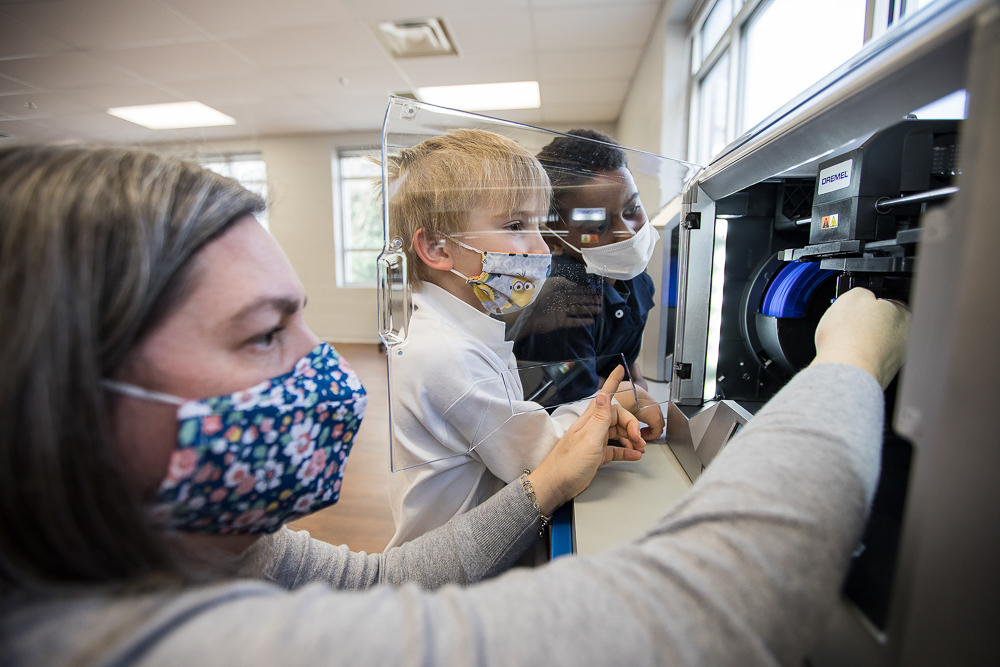
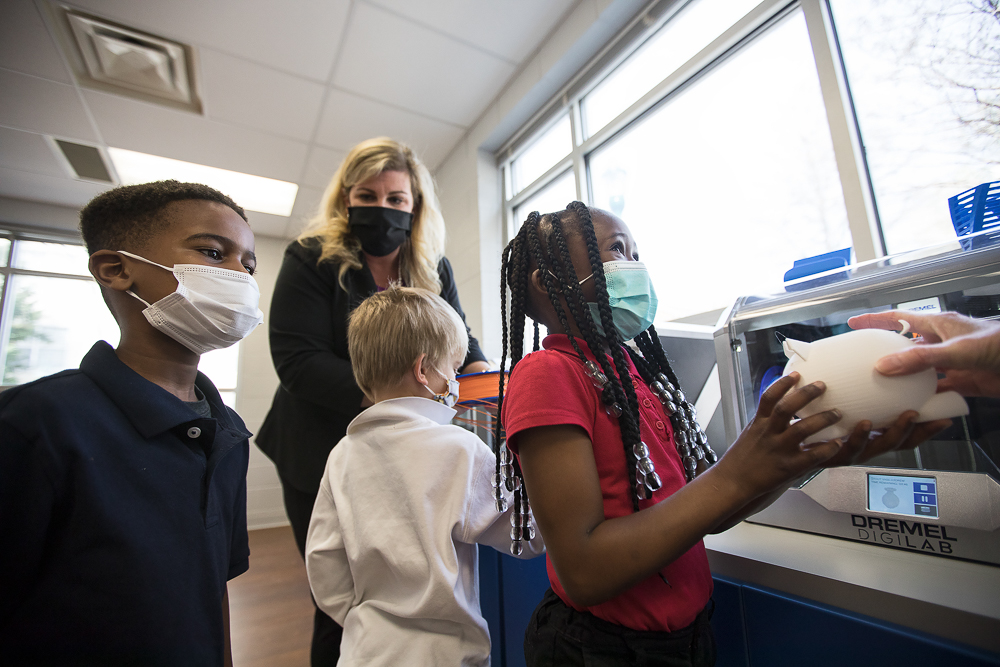
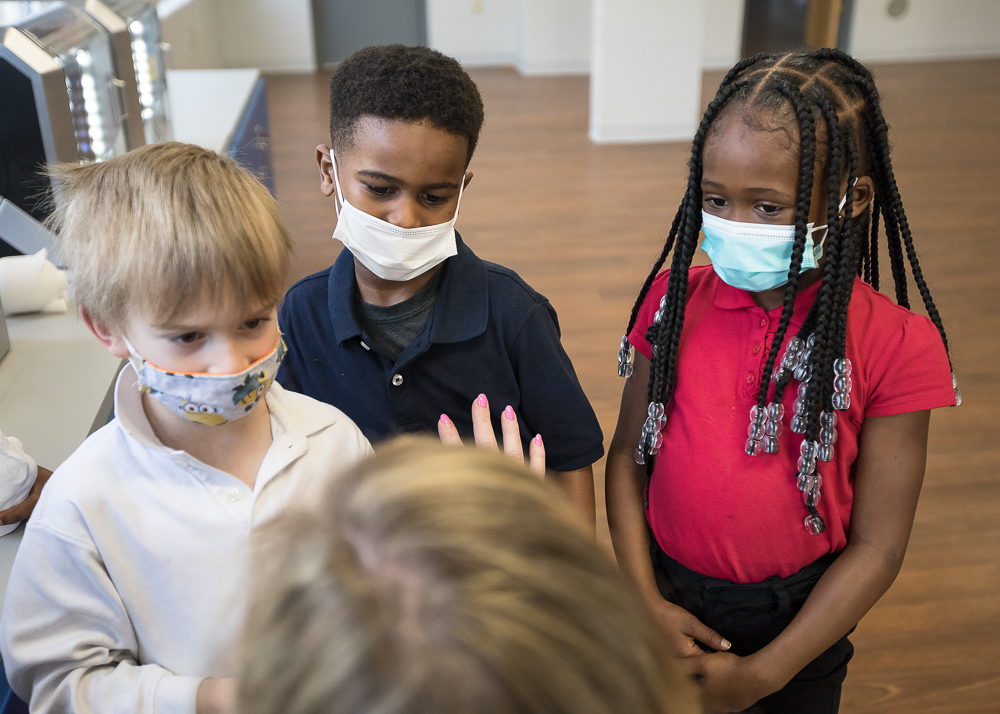
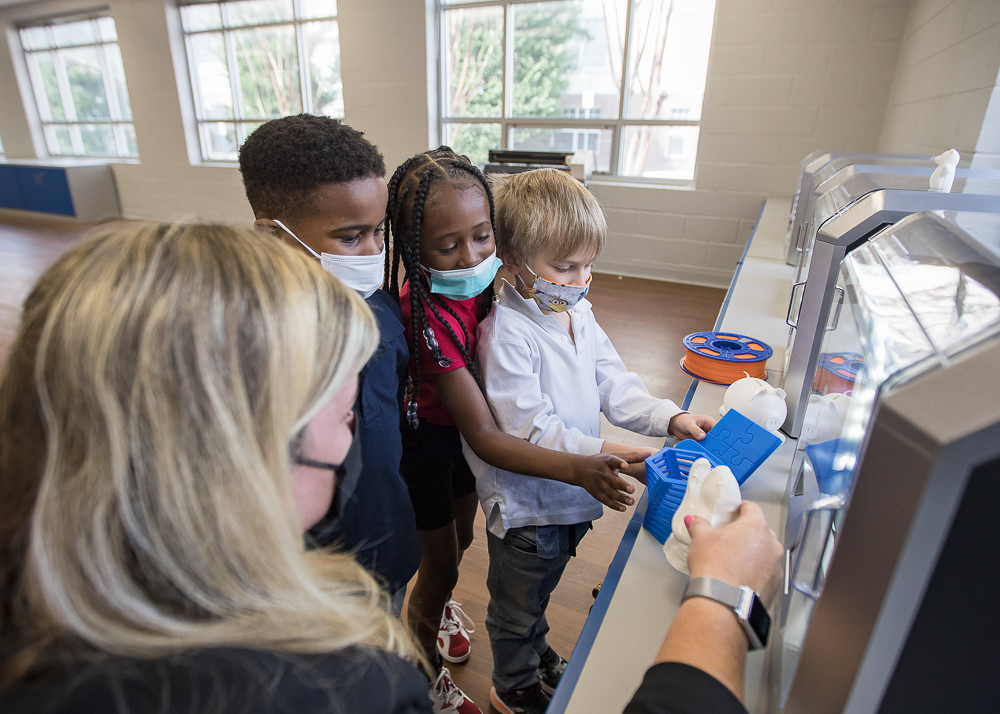
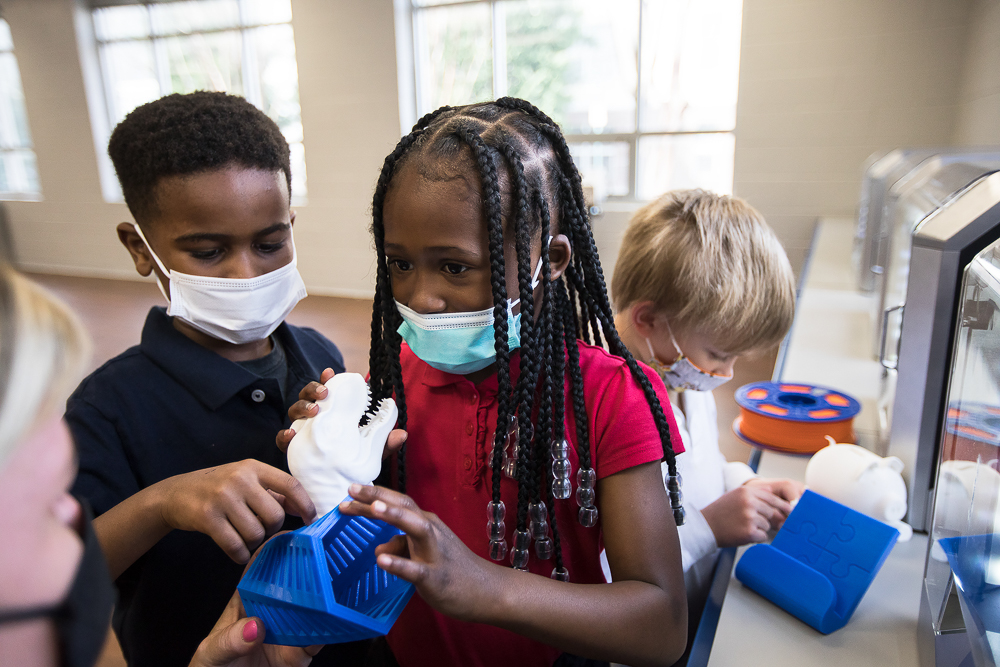
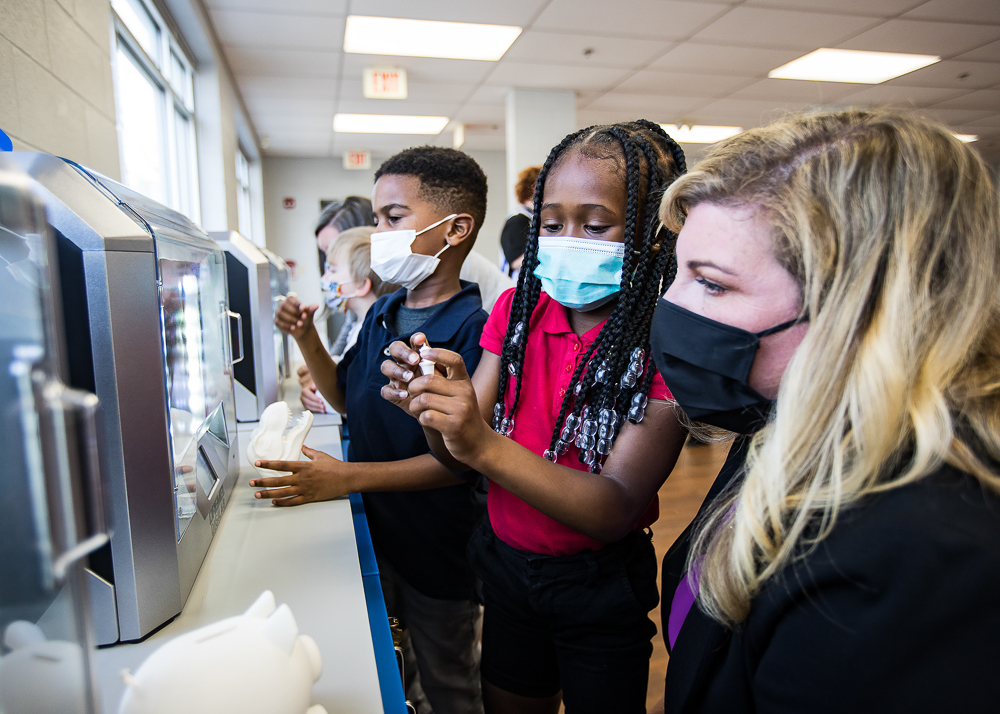
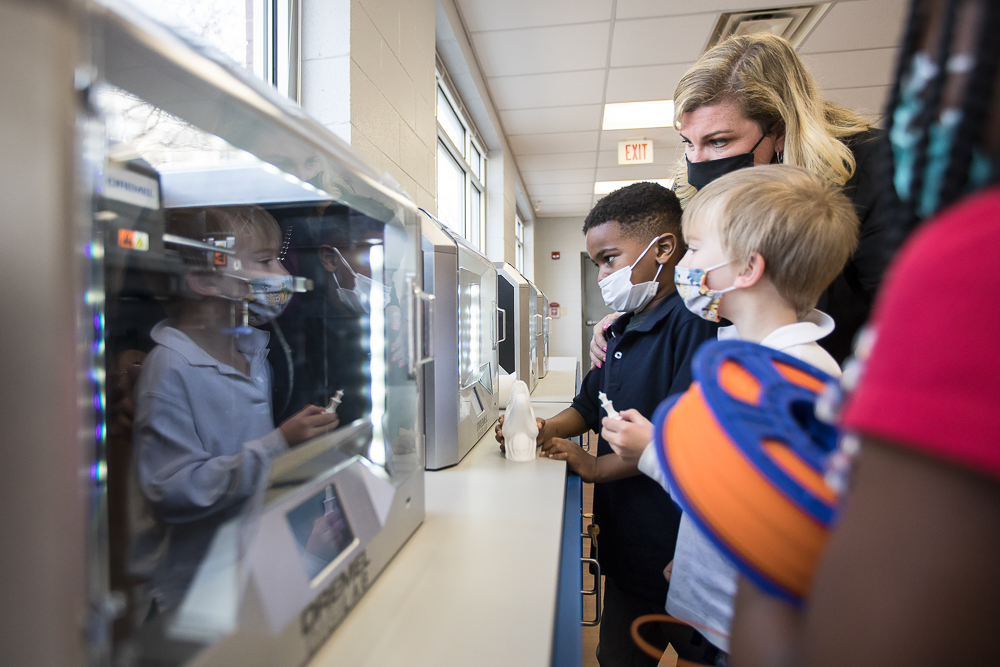
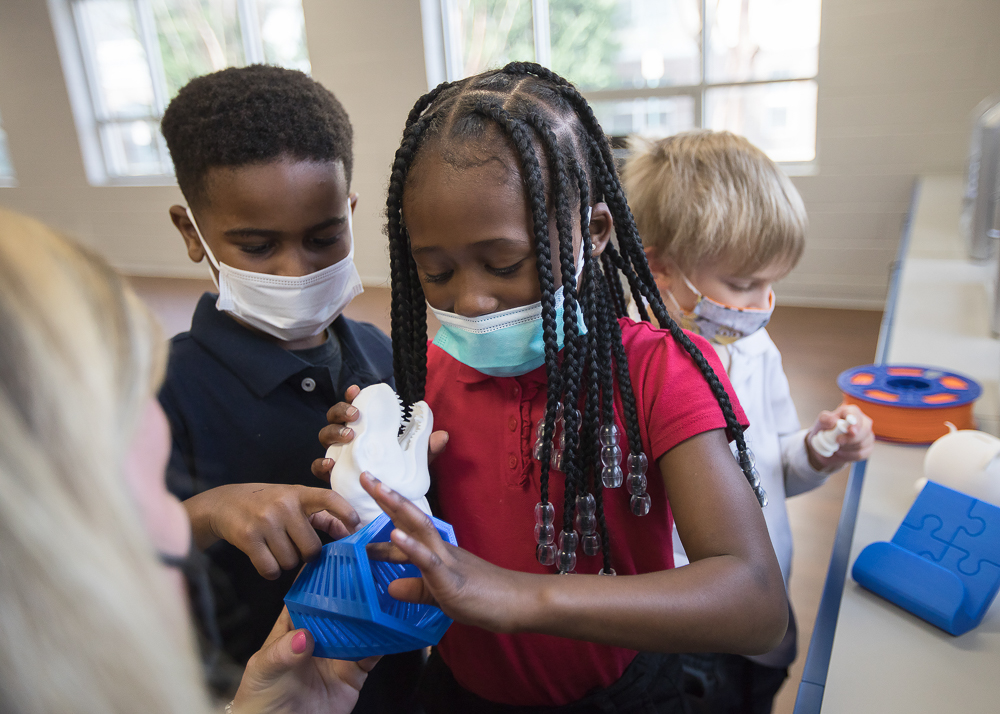
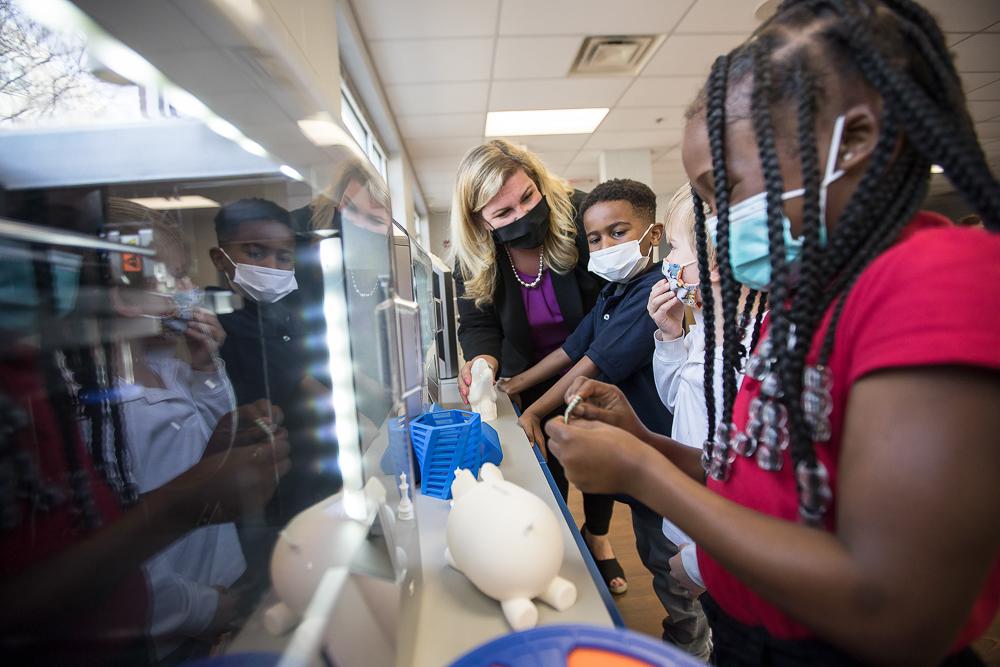
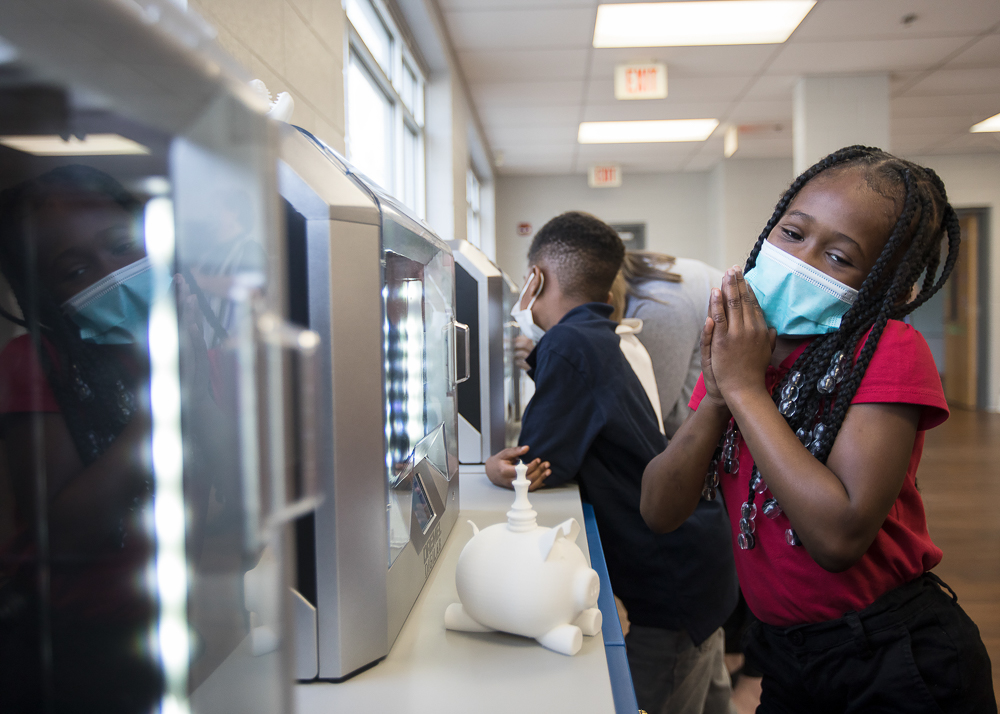
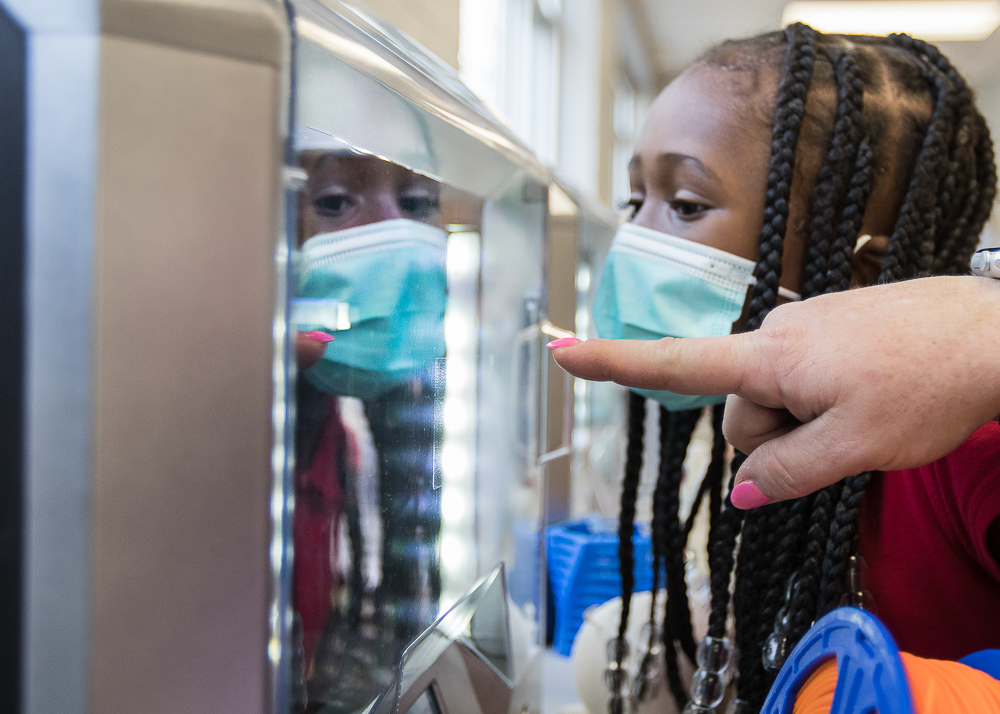
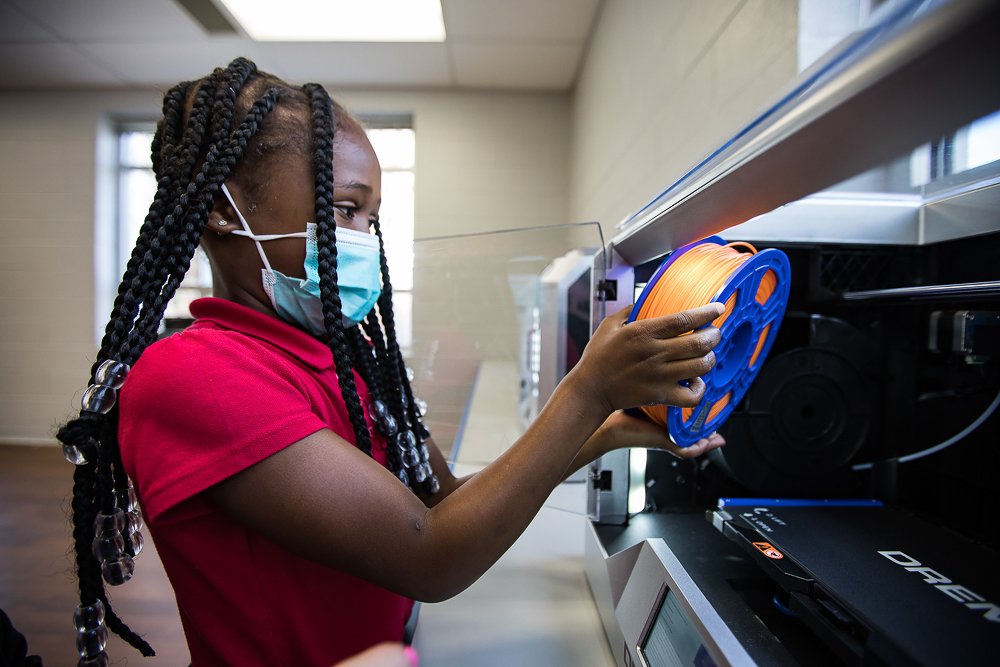
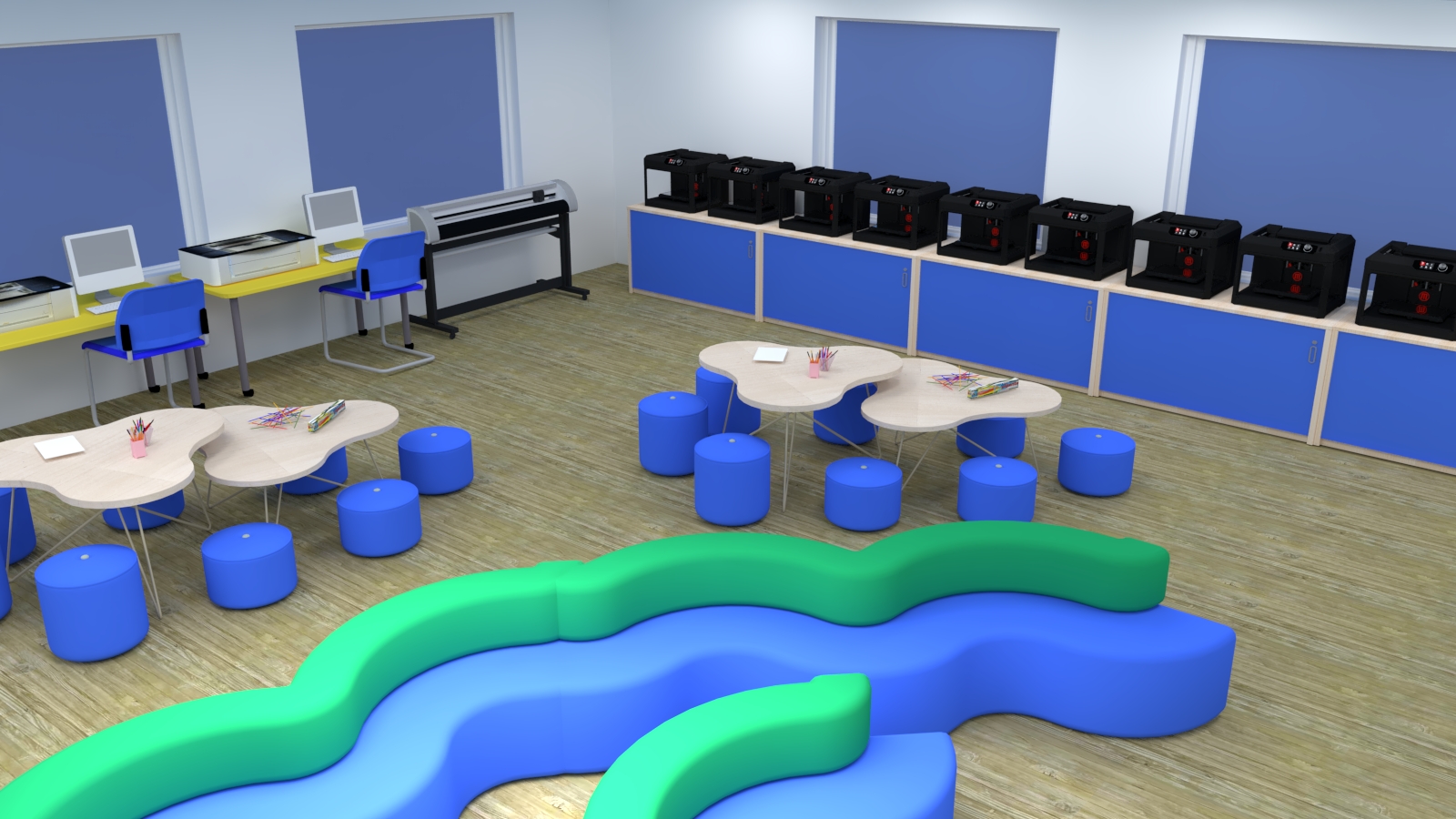
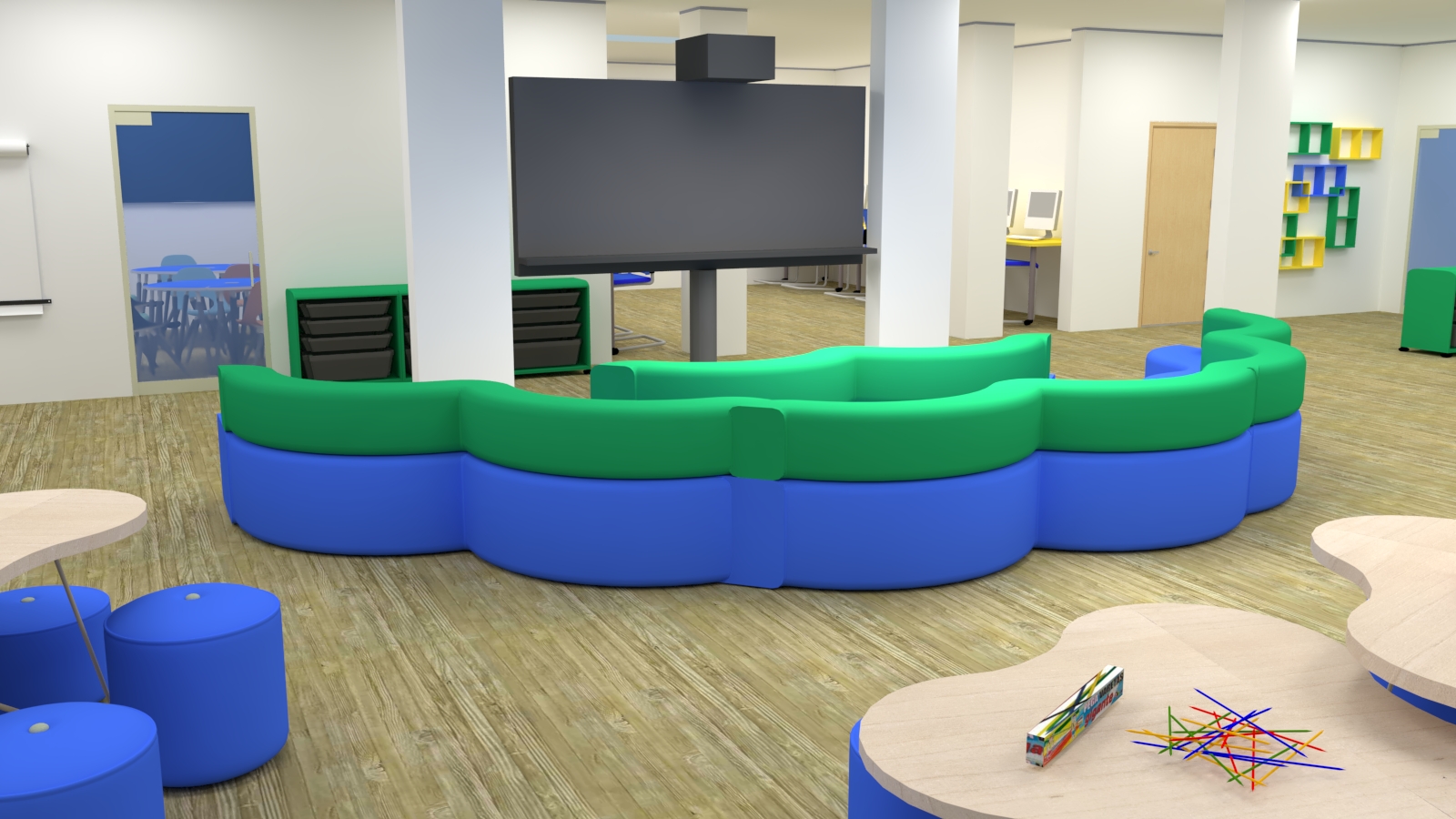
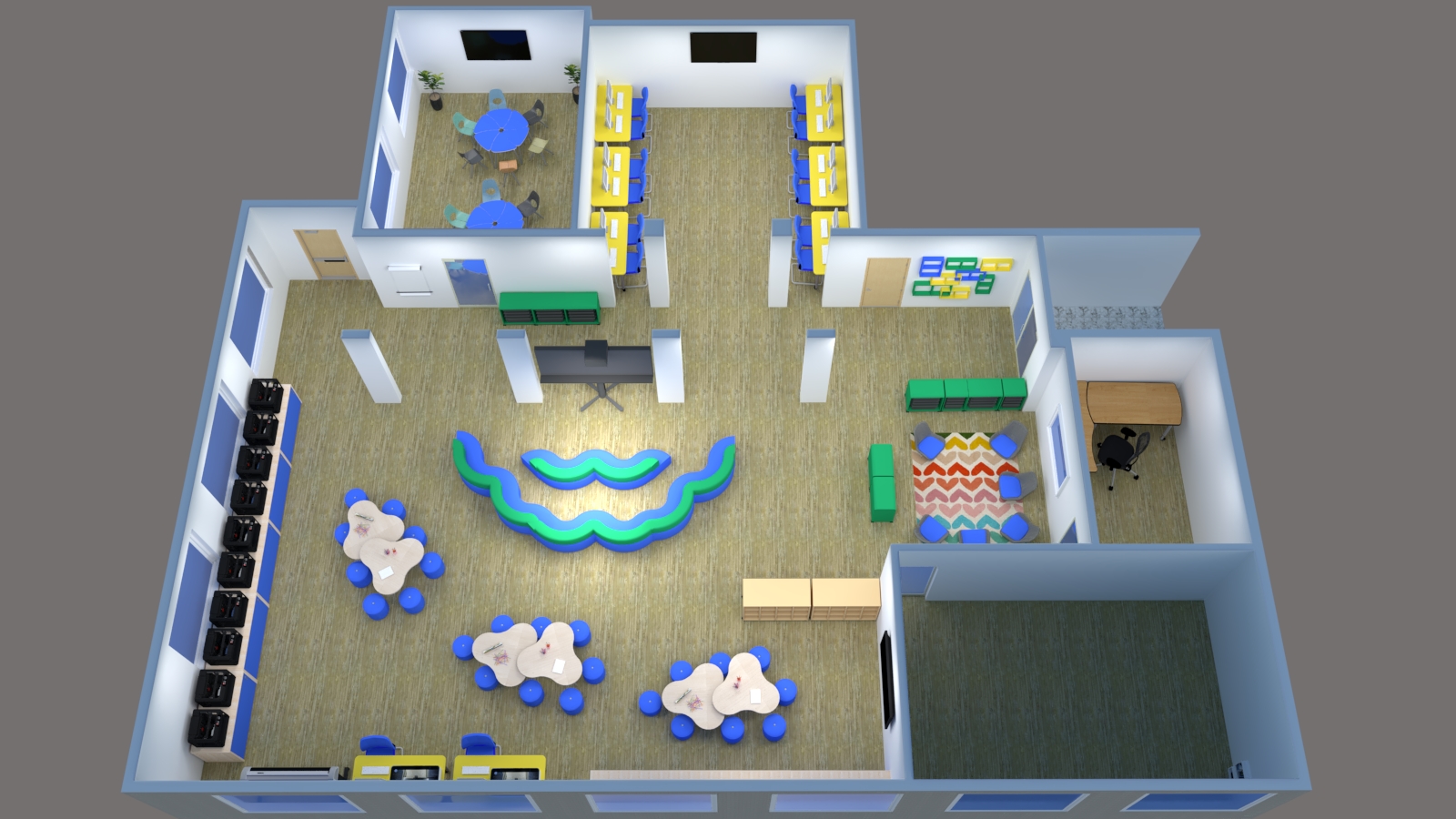
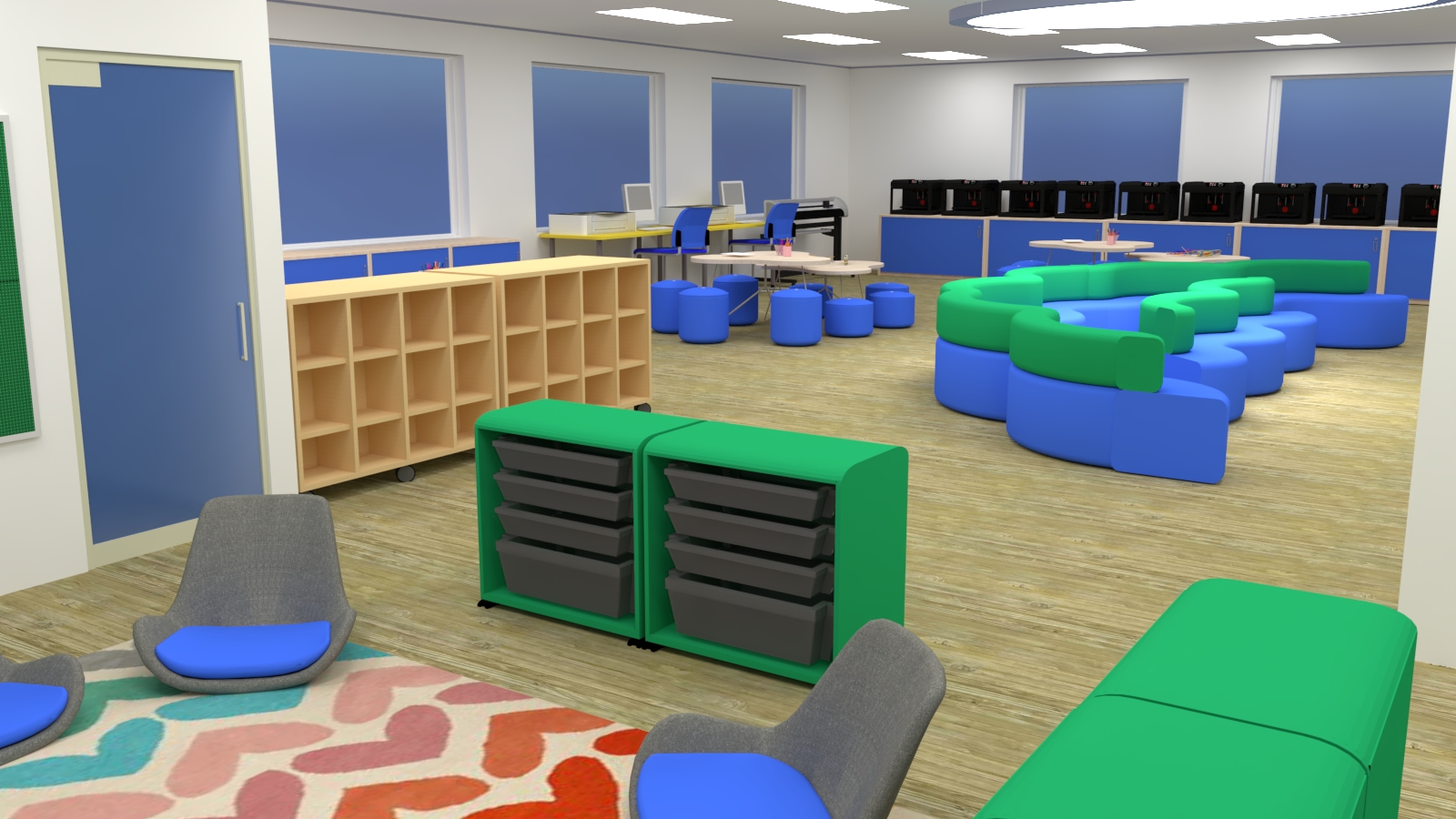
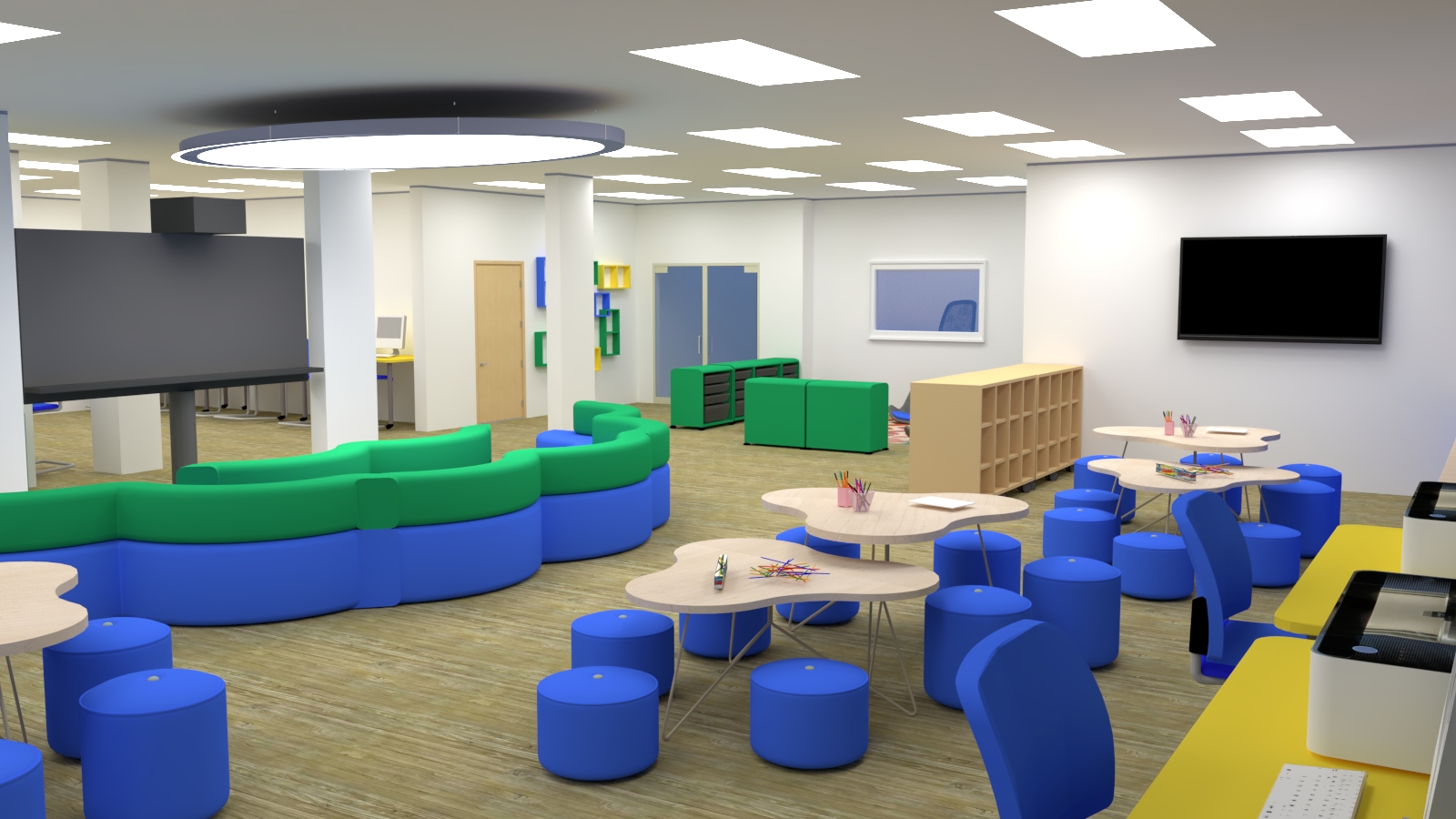
“So for us, at the elementary level, it’s really about sparking curiosity, sparking interest and letting kids figure out like, ‘Oh, I’m actually really good at this. I know how to program something to 3D print, or I know how to design a problem to a solution and then create a digital example of it in the eLab and fabricate in here,” Levine said. “So there’s real importance to reading and math and teaching those basic skills, but I think now more than ever, we know that kids also have to be problem solvers, and we can promote that curiosity and help kids to learn to collaborate and problem solve and design solutions to these problems that we don’t even know exist yet.”