
Friday, October 30, 2026Oct 30

This story is free to read.

US eases student loan relief for those with disabilities

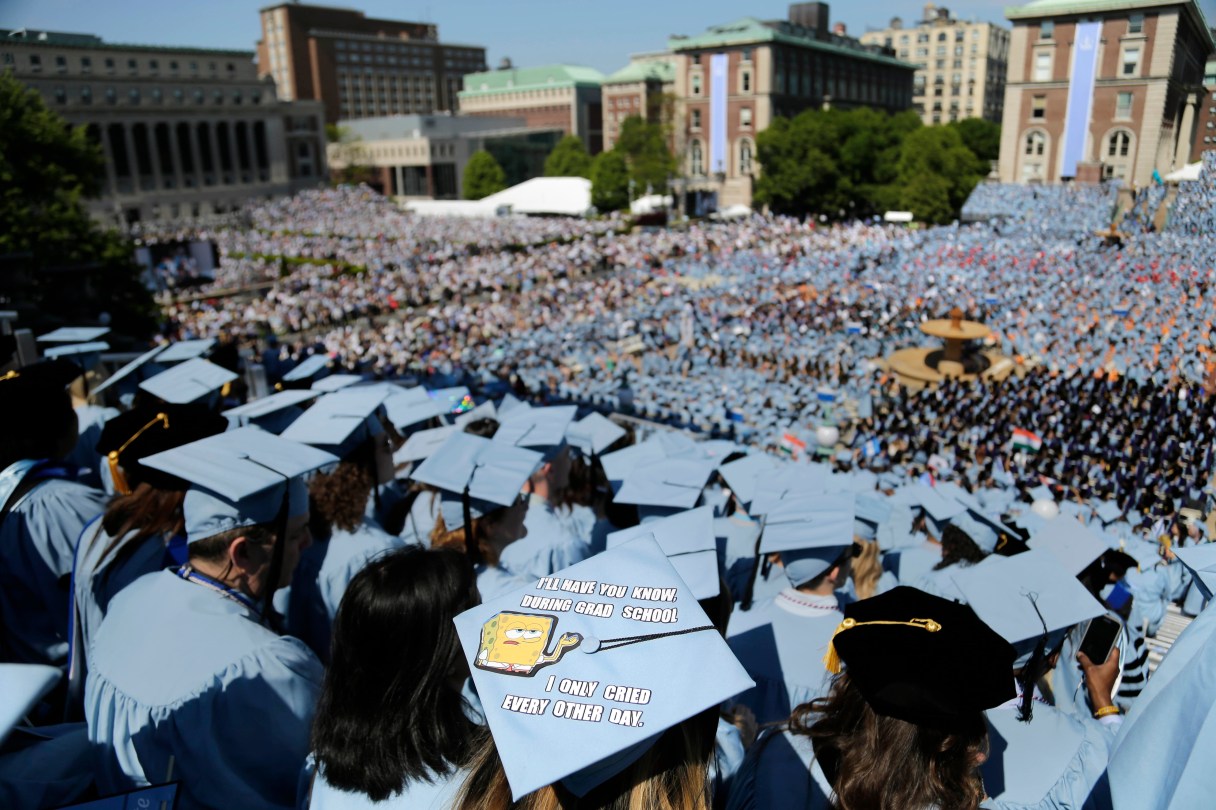
FILE - In this Wednesday, May 17, 2017, file photo, graduating students fill the Columbia University campus during a graduation ceremony in New York. Having college debt disappear is something many student loan holders can only dream of. But it’s possible for some of the 44 million people in the U.S. with education loans. Through the Public Service Loan Forgiveness Program, people with federal student loans can get their loans erased tax-free if they first make loan payments for 10 years while working for the government or a nonprofit. (AP Photo/Seth Wenig, File)
FILE - In this Wednesday, May 17, 2017, file photo, graduating students fill the Columbia University campus during a graduation ceremony in New York. Having college debt disappear is something many student loan holders can only dream of. But it’s possible for some of the 44 million people in the U.S. with education loans. Through the Public Service Loan Forgiveness Program, people with federal student loans can get their loans erased tax-free if they first make loan payments for 10 years while working for the government or a nonprofit. (AP Photo/Seth Wenig, File) FILE - In this Wednesday, May 17, 2017, file photo, graduating students fill the Columbia University campus during a graduation ceremony in New York. Having college debt disappear is something many student loan holders can only dream of. But it’s possible for some of the 44 million people in the U.S. with education loans. Through the Public Service Loan Forgiveness Program, people with federal student loans can get their loans erased tax-free if they first make loan payments for 10 years while working for the government or a nonprofit. (AP Photo/Seth Wenig, File)

The U.S. Education Department is canceling student debt for more than 40,000 Americans who were previously granted loan forgiveness because of disabilities but later had their debt reinstated after they failed to submit certain paperwork, the agency announced Monday.

The action targets a loan forgiveness program that aims to help people with disabilities but that critics say carries overly burdensome rules. After being granted loan forgiveness, borrowers are required to submit documentation of their earnings for three years. If their earnings go beyond certain thresholds – or if they fail to submit documentation – they’re back on the hook for their loans.

Acknowledging the program’s challenges, the Education Department said it will relax the rules during the coronavirus pandemic and consider other changes to the reporting requirements in the future.

Until the federal government declares an end to the pandemic, more than 190,000 borrowers who are now in the three-year monitoring period will not be required to submit proof of their earnings, the agency said. Another 41,000 who had debt reinstated over paperwork issues will again get loan forgiveness, amounting to a combined $1.3 billion.

Education Secretary Miguel Cardona said borrowers with disabilities should not “put their health on the line” to submit earnings information.