
Recently, James Carville, the unfrozen Clintonite of Democratic politics, stirred a predictable controversy by complaining about “wokeness” in an interview with Sean Illing of Vox. Everyone has a different definition of the term, but Carville’s was one you hear a lot from strategically minded Democrats: Wokeness is “faculty lounge” rhetoric, the language of elite hyper-educated progressivism, entering into mass politics in a way that turns a lot of normal people off.
Framed this way, intra-Democratic debates about the new progressivism often boil down to word choice and emphasis. Do you sound inclusive or out-of-touch if you say “Latinx” instead of “Hispanic”? Are voters actually worried about cancel culture, or are figures like Carville mistaking the Fox News bubble for reality?
In those debates I’m on Carville’s side: Indeed, I once wrote an entire column called “Liberalism’s Latinx Problem,” on the political costs of the new progressive style of discourse.
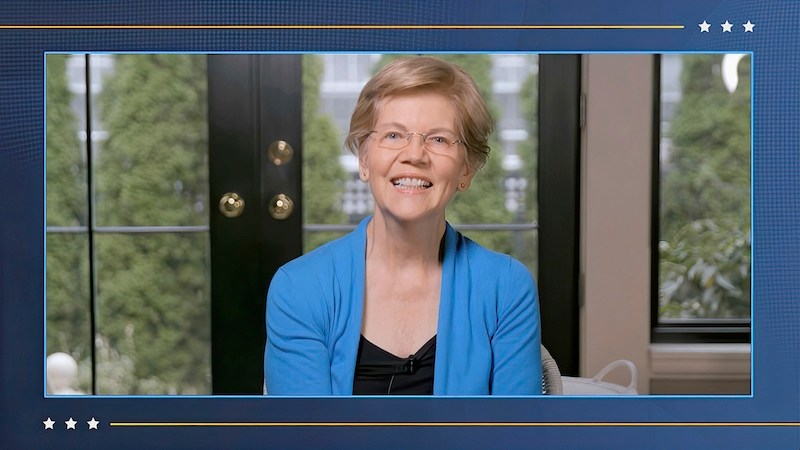
But at the same time I think the problem he’s describing could be manageable for Democrats, because their primary voters already figured out a way to manage it: Don’t nominate Elizabeth Warren; nominate Joe Biden instead. Don’t nominate a candidate who talks like a member of the Harvard faculty; nominate the candidate who can talk like an old-line Democrat and, once elected, shovels money out the door.
This approach doesn’t fully solve the problem of being seen as “an urban, coastal, arrogant party,” in Carville’s formulation, but it mitigates it – which is how the Democrats won both Congress and the White House in 2020 even as elite institutions were being pulled leftward by the Great Awokening.