
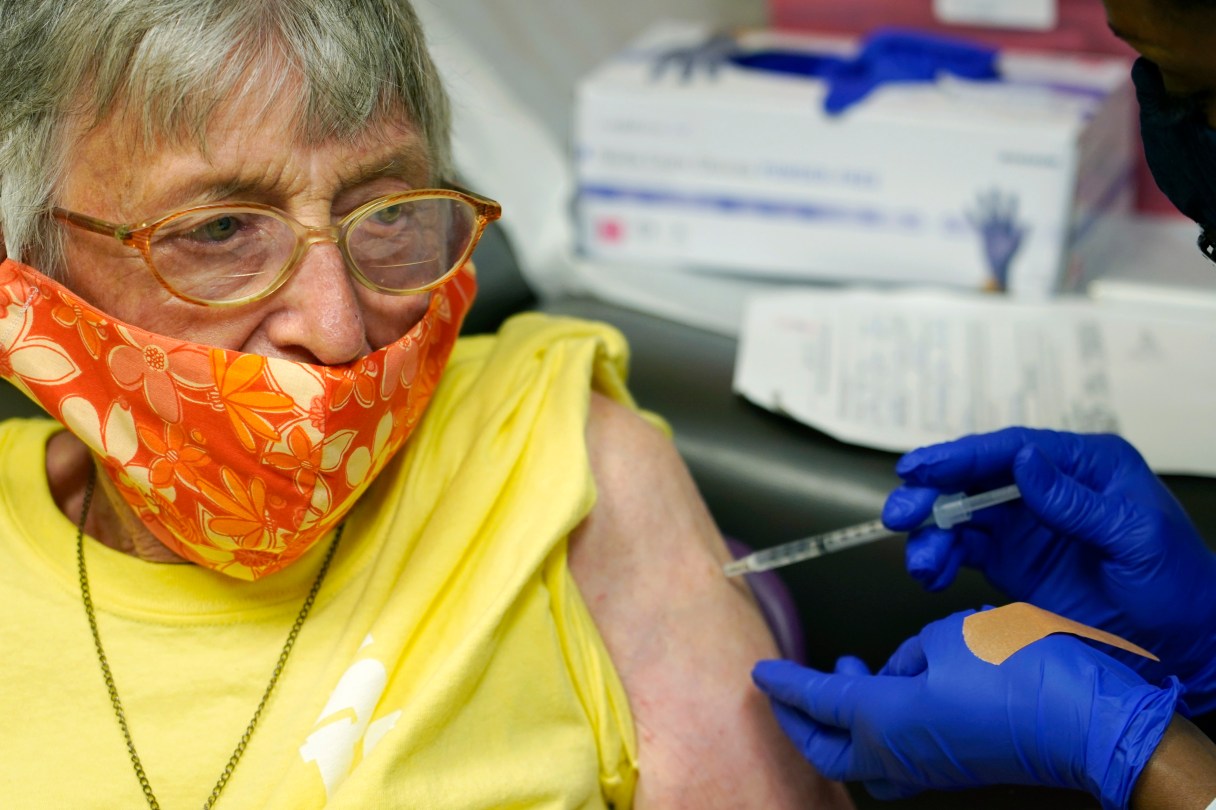

Just over a third of the country (and Hamilton County) has been fully vaccinated against the COVID-19 virus.
Over the past five months, we have at various times explored why some people are uninterested in a vaccine, from those who are general vaccine skeptics to those who are afraid it will give them the virus (it won’t) to those scared off by people who initially downplayed a vaccine for political reasons (such as the current president and vice president of the United States).
We reject those reasons and fully promote the vaccines that not only are medically safe but will return the country to a sense of normalcy it so desperately needs.
But a New York Times newsletter Tuesday brings us face to face with another reason many Americans may not have gotten a vaccine: They can’t trust even the vaunted Centers for Disease Control and Prevention (CDC) to give them the truth.
The mask guideline of which the newspaper writes, issued last month by the Atlanta-based agency, announced that “less than 10 percent” of virus transmission was occurring outdoors.