
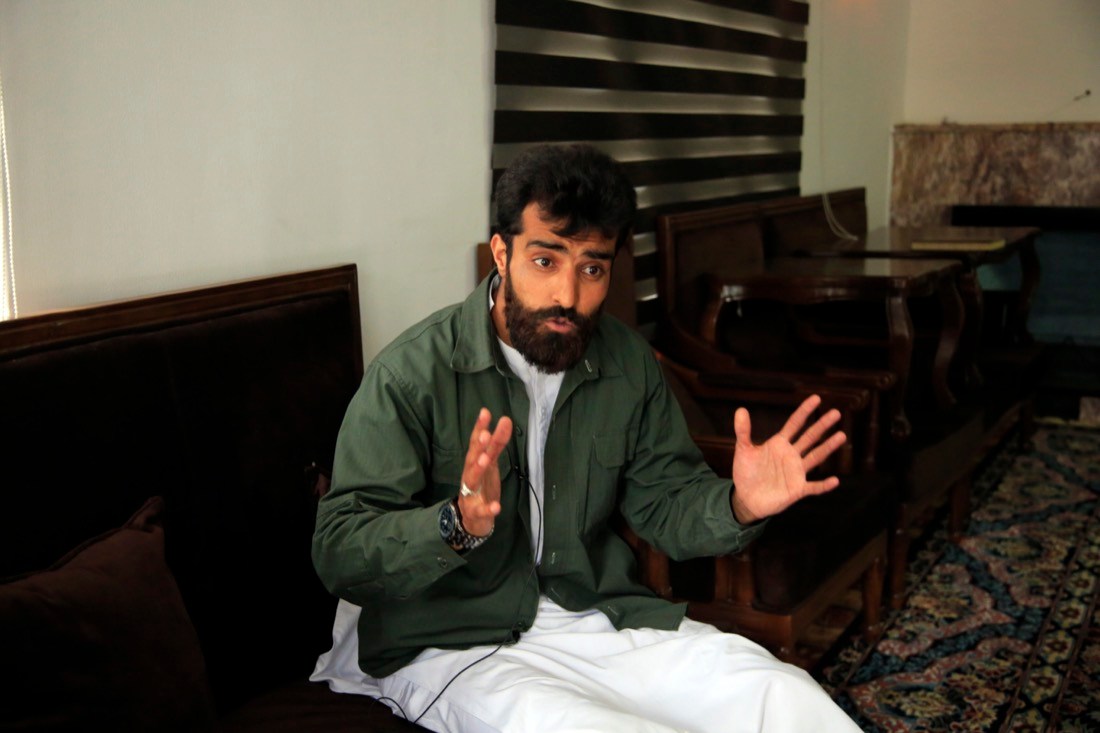
KABUL, Afghanistan (AP) – He served as an interpreter alongside U.S. soldiers on hundreds of patrols and dozens of firefights in eastern Afghanistan, earning a glowing letter of recommendation from an American platoon commander and a medal of commendation.
Still, Ayazudin Hilal was turned down when he applied for one of the scarce special visas that would allow him to relocate to the United States with his family. Now, as American and NATO forces prepare to leave the country, he and thousands of others who aided the war effort fear they will be left stranded, facing the prospect of Taliban reprisals.
“We are not safe,” the 41-year-old father of six said of Afghan civilians who worked for the U.S. or NATO. “The Taliban is calling us and telling us, ‘Your stepbrother is leaving the country soon, and we will kill all of you guys.'”
The fate of interpreters after the troop withdrawal is one of the looming uncertainties surrounding the pullout, including a possible resurgence of terrorist threats and a reversal of fragile gains for women if chaos, whether from competing Kabul-based warlords or the Taliban, follows the end of America’s military engagement.
Interpreters and other civilians who worked for the U.S. government or NATO can get what is known as a special immigrant visa under a program created in 2009 and modeled after a similar program for Iraqis.