
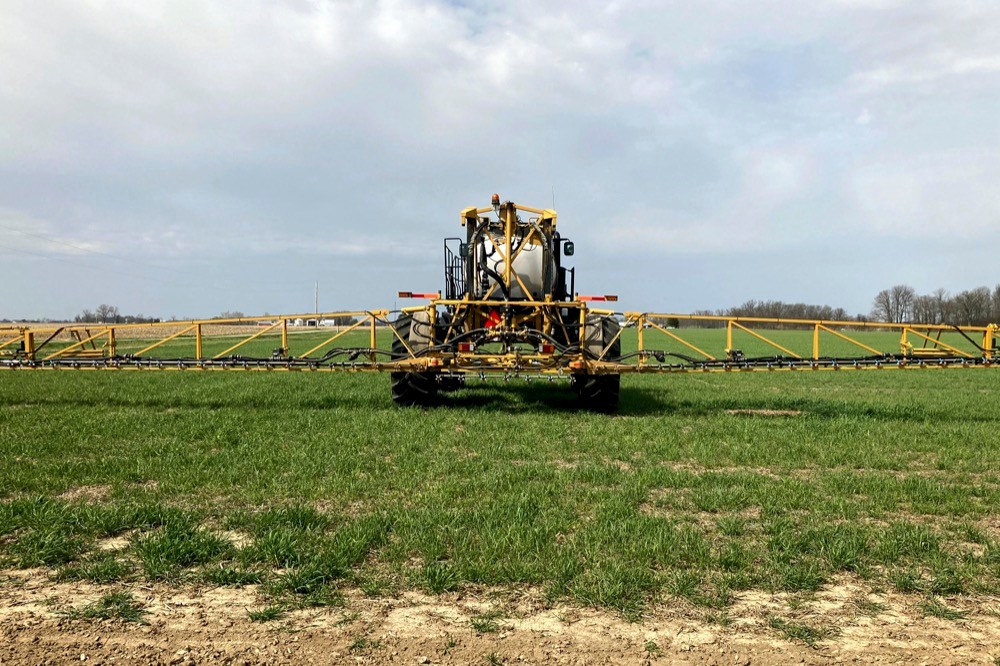
ORIENT, Ohio (AP) – The rye and rapeseed that Rick Clifton cultivated in central Ohio were coming along nicely – until his tractor rumbled over the flat, fertile landscape, spraying it with herbicides.
These crops weren’t meant to be eaten, but to occupy the ground between Clifton’s soybean harvest last fall and this spring’s planting. Yet thanks to their environmental value, he’ll still make money from them.
Farmers increasingly have been growing offseason cereals and grasses to prevent erosion and improve soil. Now, they’re gaining currency as weapons against climate change.
Experts believe keeping ground covered year-round rather than bare in winter is among practices that could reduce emissions of planet-warming gases while boosting the agricultural economy, if used far more widely.
“For too long, we’ve failed to use the most important word when it comes to meeting the climate crisis: jobs, jobs, jobs,” President Joe Biden said in his April address to Congress. One example, he added: “Farmers planting cover crops so they can reduce the carbon dioxide in the air and get paid for doing it.”