
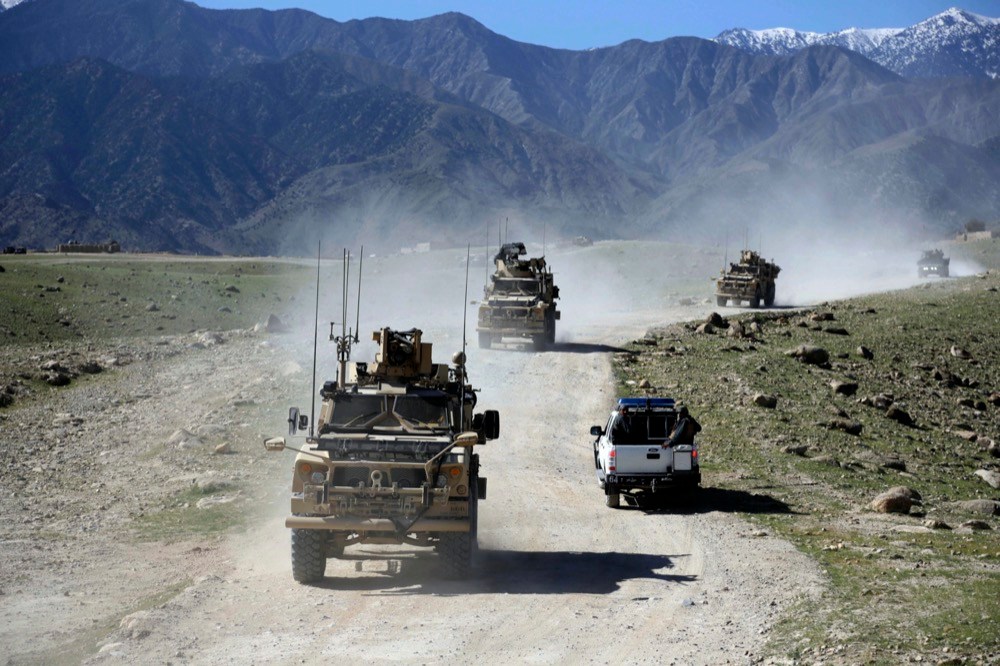
WASHINGTON (AP) – When he pulled the plug on the American war in Afghanistan, President Joe Biden said the reasons for staying, 10 years after the death of al-Qaida leader Osama bin Laden, had become “increasingly unclear.” Now that a final departure is in sight, questions about clarity have shifted to Biden’s post-withdrawal plan.
What would the United States do, for example, if the Taliban took advantage of the U.S. military departure by seizing power? And, can the United States and the international community, through diplomacy and financial aid alone, prevent a worsening of the instability in Afghanistan that kept American and coalition troops there for two decades?
The Biden administration acknowledges that a full U.S. troop withdrawal is not without risks, but it argues that waiting for a better time to end U.S. involvement in the war is a recipe for never leaving, while extremist threats fester elsewhere.
“We cannot continue the cycle of extending or expanding our military presence in Afghanistan, hoping to create ideal conditions for the withdrawal, and expecting a different result,” Biden said April 14 in announcing that “it’s time to end America’s longest war.”
A look at some of the unanswered questions about Biden’s approach to the withdrawal: