
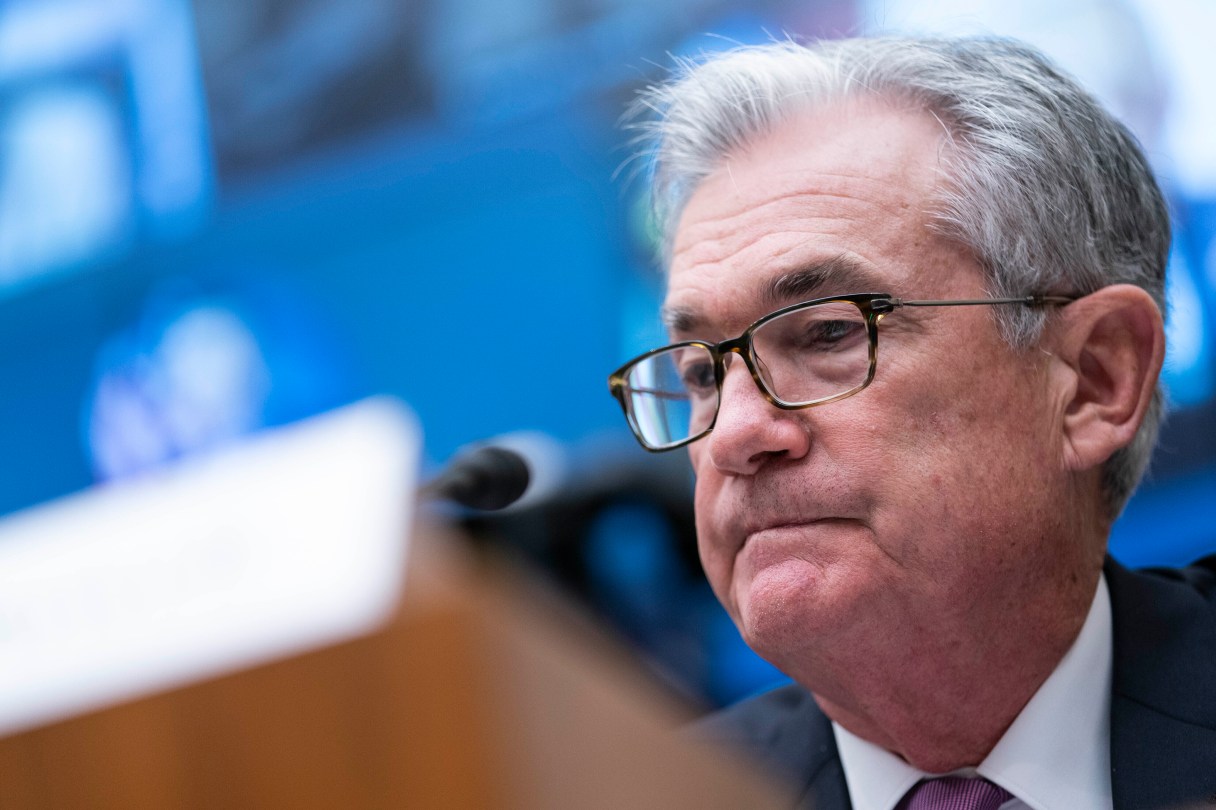
WASHINGTON (AP) – Federal Reserve Chair Jerome Powell surely expected to have some breathing room after taking the first step this month to dial back the Fed’s emergency aid for the economy.
Just a week later, though, the government reported that consumer prices grew over the previous 12 months by the most in three decades. The inflation spike has squeezed consumers, posed a threat to the Biden administration and intensified pressure on Powell to act.
Some economists – and some Fed officials – want the Fed to move faster to rein in its ultra-low-rate policies. Other policymakers favor a more patient approach to interest rates. The result is a split within the Fed that Powell will likely have to settle, with potentially far-reaching consequences for the economy.
It all comes just as President Joe Biden is about to announce whether he will offer Powell a second four-year term as Fed chair or instead nominate Lael Brainard, the leading alternative, who is a member of the Fed’s Board of Governors. Powell’s term as chair expires in February.
The question of whether the Fed should act faster to withdraw the enormous aid it injected into the economy to fight the pandemic recession highlights the extraordinarily delicate task before the Fed as it seeks to contain inflation without slowing an economy that is still 4 million jobs short of pre-pandemic levels.