
Friday, October 30, 2026Oct 30

This story is free to read.

Inside the ‘big wave’ of misinformation targeted at Latinos

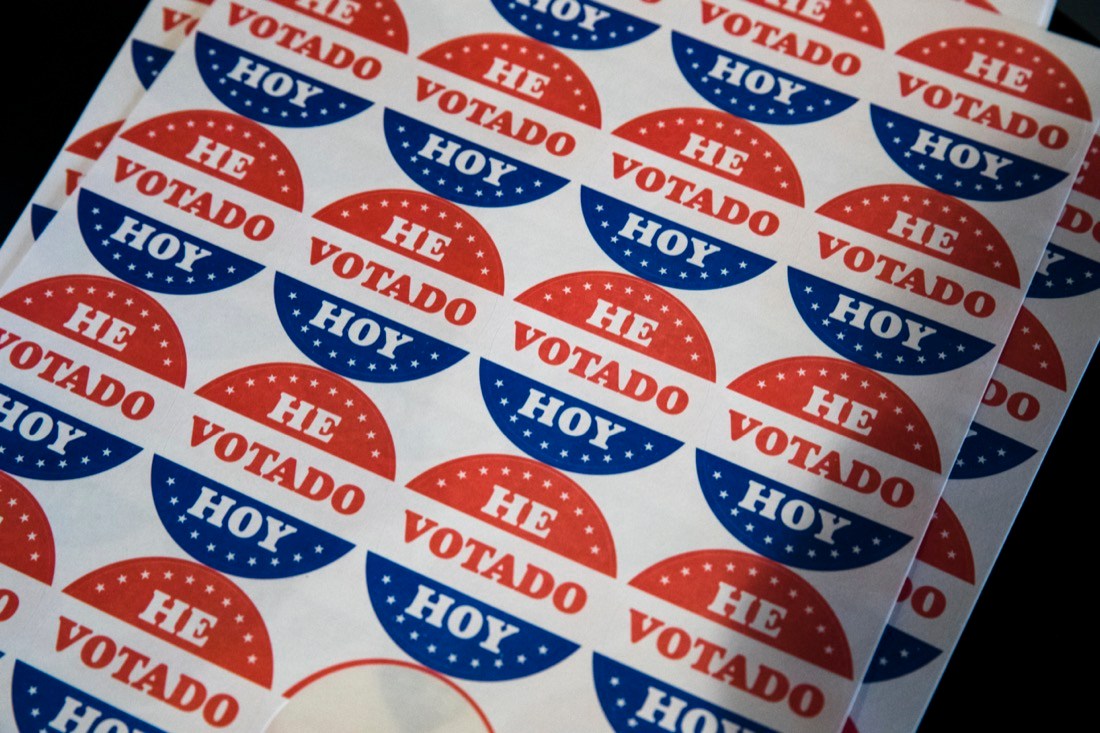
FILE - Shown in the Spanish language are "He Votado Hoy" stickers or I voted today at a polling place in Philadelphia, May 21, 2019. This month's elections may have offered a preview of the Spanish-language misinformation that could pose a growing threat to Democrats, who are already anxious about their standing with Latino voters after losing some ground with them last year. (AP Photo/Matt Rourke, File)
FILE - Shown in the Spanish language are "He Votado Hoy" stickers or I voted today at a polling place in Philadelphia, May 21, 2019. This month's elections may have offered a preview of the Spanish-language misinformation that could pose a growing threat to Democrats, who are already anxious about their standing with Latino voters after losing some ground with them last year. (AP Photo/Matt Rourke, File) FILE - Shown in the Spanish language are "He Votado Hoy" stickers or I voted today at a polling place in Philadelphia, May 21, 2019. This month's elections may have offered a preview of the Spanish-language misinformation that could pose a growing threat to Democrats, who are already anxious about their standing with Latino voters after losing some ground with them last year. (AP Photo/Matt Rourke, File)

WASHINGTON (AP) – Before last year’s presidential election, Facebook ads targeting Latino voters described Joe Biden as a communist. During his inauguration, another conspiracy theory spread online and on Spanish-language radio warning that a brooch worn by Lady Gaga signaled Biden was working with shadowy, leftist figures abroad.

And in the final stretch of Virginia’s election for governor, stories written in Spanish accused Biden of ordering the arrest of a man during a school board meeting.

None of that was true. But such misinformation represents a growing threat to Democrats, who are anxious about their standing with Latino voters after surprise losses last year in places like South Florida and the Rio Grande Valley in Texas.

Heading into a midterm election in which control of Congress is at stake, lawmakers, researchers and activists are preparing for another onslaught of falsehoods targeted at Spanish-speaking voters. And they say social media platforms that often host those mistruths aren’t prepared.

“For a lot of people, there’s a lot of concern that 2022 will be another big wave,” said Guy Mentel, executive director of Global Americans, a think tank that provides analysis of key issues throughout the Americas.